

Urinal Sensor – Automatic Urinal Flusher for Touchless Toilets
Enhance your restroom experience with Simpolo’s premium automatic urinal sensors, engineered for touchless operation, superior hygiene, and optimal water conservation. Perfectly suited for commercial and residential environments, these sensors guarantee dependable flushing performance while minimizing water wastage and contamination risks. Contact us today to transform your washroom with seamless, smart solutions.
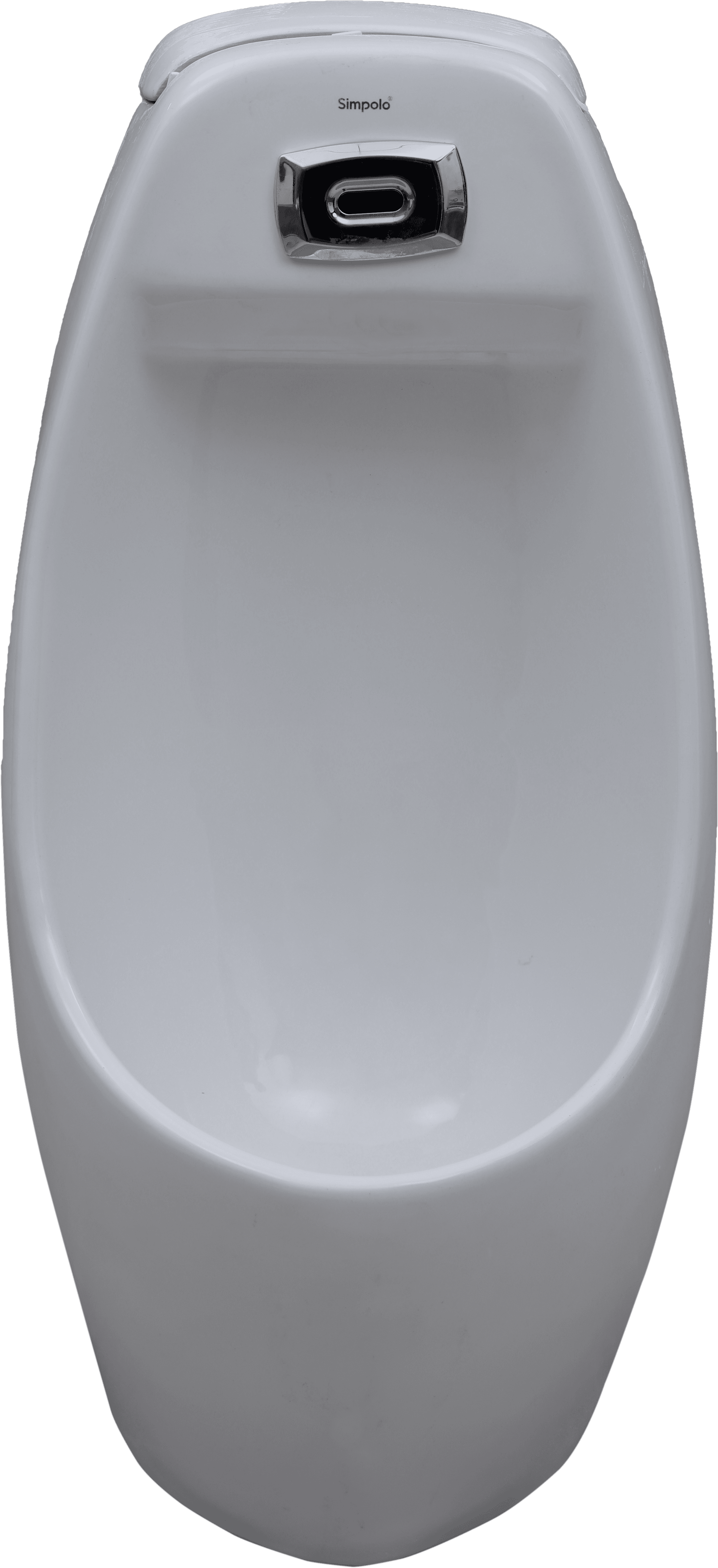
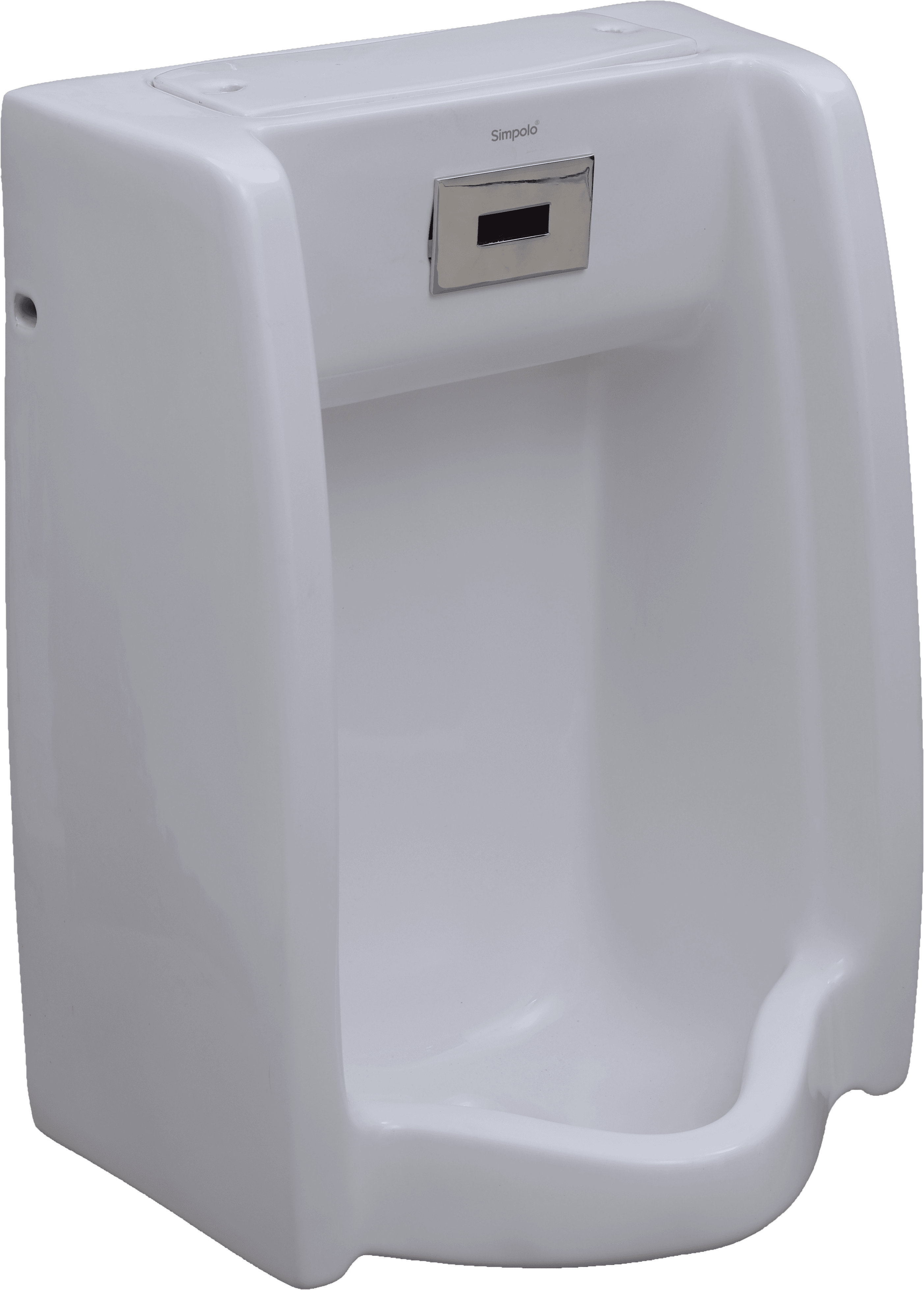
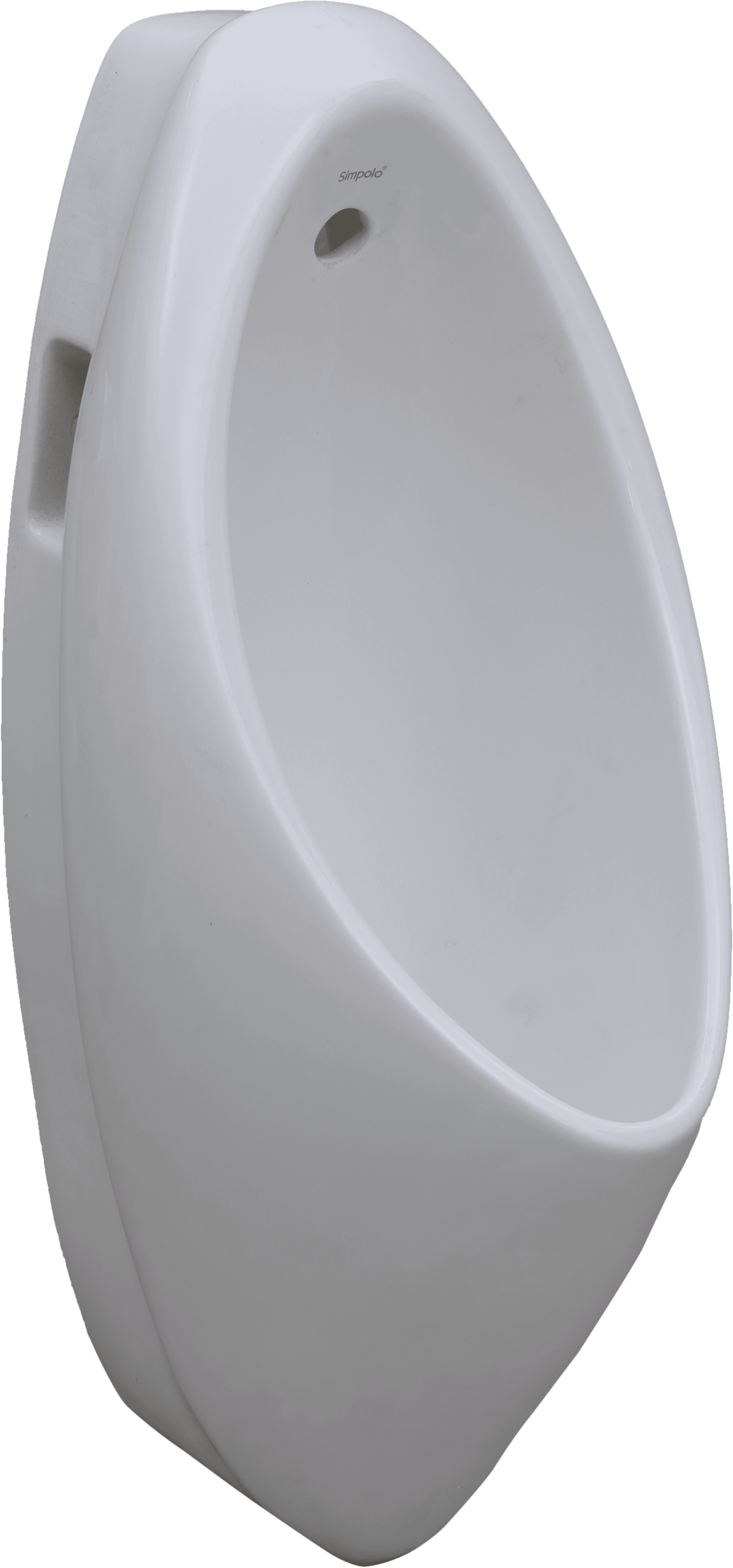
Simpolo’s urinal sensors are ceramic, made for higher durability and reduced maintenance. Its water-saving design, improved sanitation and hygiene, and water conservation with anti-bacterial and anti-viral properties lead to the best automatic urinal sensor for touchless flushing and hygiene. Kelos and Sfera are sleek, durable, and functional and come with a sensor mechanism.Urinal sensors have revolutionized restroom hygiene by introducing hands-free flush technology that enhances sanitation and conserves water. An automatic urinal sensor detects user interaction and triggers the flushing mechanism without the need for physical contact, making restrooms more hygienic and eco-friendly. Modern urinal sensor systems reduce water consumption while improving user convenience, maintenance ease, and operational efficiency.
Whether for commercial buildings, offices, or public spaces, investing in reliable urinal sensors is a smart choice to elevate restroom sanitation and support sustainable water use.
Automatic Urinal Sensor & Flusher Design
Urinal Sensors are devices made to control the flushing mechanism for urinals that do not require manual operation. These are significant for better hygiene- no contact with the flush or handles leads to less spread of bacteria and viruses. Urinal automatic sensors operate through various mechanisms, including changes in temperature, motion, and sound waves. The urinal sensors at Simpolo sense motion. When a person stands in front of a urinal, it senses and starts flushing when they move away, and the urinal starts flushing.
Automatic Urinal Sensor
An automatic urinal sensor specifically refers to smart, touchless flushers that use sensors to activate the flush valve automatically. They often come integrated with advanced features such as adjustable flushing time, delay settings, and battery or hardwired power options, ensuring seamless operation and minimal maintenance.
Types of Urinal Sensors
There are many types of automatic urinal sensors available for urinals. The main types of urinal sensors for toilet available are-
- Infrared Motion Sensors: The most prevalent type, detecting body heat and movement via infrared radiation changes to trigger flushing.
- Ultrasonic Sensors: Utilize sound wave reflection and changes to sense presence, ideal for specific wall-mounted installations.
- Capacitive Sensors: Measure variations in electrical fields caused by proximity, often combined with other sensor types for enhanced accuracy.
- Battery-Operated Sensors: Wireless units suitable for retrofit projects without accessible wiring, offering battery life ranging from 1 to 3 years.
- Hardwired Sensors: Connected directly to building power via low-voltage transformers, optimal for new constructions with straightforward electrical access.
Each sensor type comes with unique advantages tailored to varying installation requirements, user traffic, and maintenance capabilities.
Benefits of Automatic Urinal Sensors
Installing automatic urinal sensors offers multiple advantages critical for modern restrooms:
- Improved Hygiene: Touchless activation limits germ transmission by eliminating the need to touch flush handles or buttons, reducing the risk of cross-contamination.
- Water Conservation: Sensors flush only when needed, preventing unnecessary water waste from manual or continuous flushing, supporting sustainability goals.
- Reduced Maintenance: Automated flushing reduces overflows and clogs and decreases manual labor involved in restroom upkeep.
- Enhanced User Experience: Users enjoy a cleaner, convenient restroom environment with reliable and instant flush activation.
- Cost Savings: Conserving water and minimizing repairs lowers operational costs, providing strong ROI over time.
- Regulatory Compliance: Sensor-operated restrooms can meet local environmental and water usage regulations.
- Technology Innovation: Modern sensors include smart features such as adjustable flush timing, energy-saving modes, and integration with smart building systems.
Urinal Sensor vs Manual Flushing: Which Is Better?
Urinal automatic sensor and manual flushing both have their own benefits and disadvantages, find which one is better from the following table-
|
Features |
Urinal Sensor |
Manual Flushing |
|
Define |
Detects user presence and activates flushing without physical touch |
Require to flush the toilet manually |
|
Hygeine |
Reduces cross-contamination and the chances of bacterial colonisation |
Higher risk of contamination and increased viral transmission |
|
Water Usage |
Controlled flush volume, with precise flush timings |
No control over the flush, leading to higher water consumption |
|
Maintenance |
Electronic components are reliable, and the issue can be identified by self-check |
Requires frequent replacement of components |
|
User Experience |
Convenient automatic control |
Requires motor control |
Choosing Between Concealed and Wall-Mounted Urinal Sensors
When selecting a urinal sensor, consider your installation context:
- Wall-Mounted Sensors: Ideal for retrofitting existing urinals; easy to install and maintain.
- Concealed Sensors: Best suited for new constructions or renovations where a sleek, integrated look is desired.
Both types deliver the same touchless, automatic flushing benefits. Contact Simpolo’s experts for personalized recommendations based on your project requirements.
Latest Trends in Urinal Sensor Technology
- Modern urinal sensors integrate innovative features to enhance efficiency and user experience:
- Energy Efficient Designs: Ultra-low power consumption with solar-assisted charging options.
- Advanced Detection Algorithms: AI-enhanced sensors reducing false activations.
- Eco-friendly Materials: Sustainable, corrosion-resistant sensors built for longer life and minimal environmental impact.
- Dual-mode Flush Control: Combining sensor and manual flush options for flexibility.
- UV Self-cleaning Sensors: Sensors with built-in UV lights for antimicrobial effects.
- Wireless Connectivity: Remote monitoring and firmware updates via Bluetooth/Wi-Fi.

 Toll Free: +91 7228922222
 +917433978200
 customercare@simpolo.com
 1800-233-2223