

20 Hallway Tiles Tips for Choosing the Best Tiles for Hallway
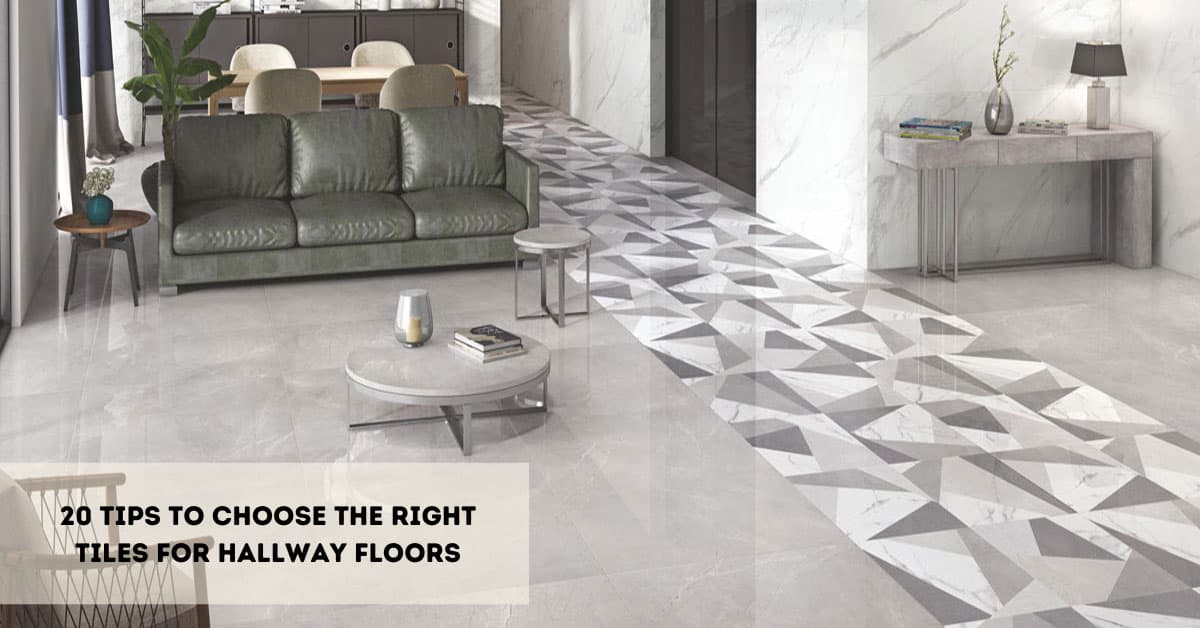
When selecting hallway tiles, it’s essential to choose the best tiles for hallway floors that offer not only aesthetic appeal but also long-lasting durability and slip resistance. Hallways are high-traffic zones connecting various rooms, making it crucial to pick tiles that withstand wear and tear while enhancing your home's first impression. Durable, easy-to-maintain hallway floor tiles also complement adjoining spaces like your living room, creating a seamless flow throughout your home.
20 Tips for Choosing the Best Tiles for Hallway
Selecting hallway floor tiles requires balancing style and functionality. Here are key considerations to guide your choice:
1. Hallway Usage and Traffic
Hallways endure constant foot traffic. Opt for tiles with high tile durability ratings that resist scratches, dents, and stains. Consider layouts that visually expand or cozy up the space.
2. Durability and Maintenance
Choose tiles that are easy to clean and maintain. Materials like vitrified and porcelain tiles offer excellent resistance to wear and require minimal upkeep.
Related Post : 10+ Modern Home Wall Design Ideas
3. Tile Size Impact
- Large Format Tiles (600x600 mm or larger):Fewer grout lines with large tiles create a seamless, spacious look.
- Medium Size Tiles (300x300 mm to 600x600 mm): Versatile for various hallway sizes and patterns.
- Small Tiles (below 300x300 mm): Ideal for intricate patterns or mosaics, best suited for larger halls.
4. Colour and Finish Selection
- Light Colours: Brighten dim or narrow hallways, making them feel more open.
- Darker Shades: Conceal footprints and stains, perfect for busy households.
- Matte Finishes: Provide subtle texture and reduce visible dirt.
- Glossy Finishes: Reflect light to enhance space but require more frequent cleaning.
5. Pattern and Texture Options
- Patterned Tiles: Add character and focal points.
- 3D Tiles: Create depth and artistic appeal on walls or floors.
- Textured Tiles: Improve grip and add subtle visual interest.
6. Material Choices
- Vitrified Tiles: Strong, low-porosity tiles ideal for heavy foot traffic.
- Stone Look Tiles: Earthy aesthetics with natural durability.
- Wood-Look Tiles: Warmth and style without wood’s maintenance.
- Marble-Effect Tiles: Timeless elegance with modern durability.
Related Post : 9 Modern Lobby Design Ideas for 3 Floor Houses in India
7. Safety Considerations
- Slip-Resistant Tiles: Essential for homes with children or elderly to prevent accidents.
- Anti-Skid Finishes: Enhance grip without compromising style.
8. Grout Colour Coordination
Choose grout colours to either highlight tile patterns or blend seamlessly for a uniform look, supporting your hallway’s design theme.
9. Budget and Quality Balance
Invest in quality tiles that combine durability with design. High-quality tiles reduce future replacement costs and add value to your home.
10. Eco-Friendly Alternatives
Consider tiles made from recycled materials to support sustainability without sacrificing aesthetics.
11. Thermal Comfort
In cooler climates, select tiles compatible with underfloor heating for added warmth and comfort.
12. Ease of Cleaning
Tiles with stain-resistant surfaces maintain their fresh appearance with minimal effort.
13. Timeless Style
Choose classic colours and patterns to ensure your hallway remains stylish through changing trends.
14. Sound Reduction
Thicker tiles or underlays can reduce noise from footsteps in busy households.
Related Post : 12 Creative Wood Floor Design Patterns for Stylish Interiors
15. Design Cohesion
Ensure hallway tiles harmonize with your home’s overall style for a cohesive look.
16. Sample Before Buying
Request physical samples to see how tiles perform in your hallway’s lighting and decor.
17. Seek Expert Guidance
Consult tile experts to tailor your selection to your specific needs and space.
18. Future-Proof Selections
Opt for classic designs like marble effects or minimalist styles that stay stylish over time.
19. Use Visualization Tools
Utilize online tile visualizers to preview options virtually before purchasing.
Popular Tile Options for Hallways
Hallway tiles come in various types, each with unique benefits:
- Vitrified Tiles: Manufactured by firing clay and quartz at high temperatures, these tiles are durable, moisture-resistant, and ideal for high-traffic hallways.
- Natural Stone Tiles: Offer authentic textures and natural shades, lending luxury and character to your hallway.
- Wood-Look Tiles: Mimic timber’s warmth and grain with easier maintenance and water resistance.
- Marble-Effect Tiles: Provide the opulence of marble with enhanced durability and ease of care.
Related Post : 10 Partition Wall Design Ideas for Modern Indian Homes
Why Choose Quality Tiles for Hallway Floors?
Hallways are subjected to constant use, demanding tiles that combine strength, style, and safety. Quality tiles:
- Enhance visual appeal with rich textures and colours.
- Resist wear, stains, and scratches for lasting beauty.
- Offer slip-resistant finishes to improve safety.
- Are easier to maintain, saving time and effort.
Choosing Simpolo premium tiles to ensures your hallway remains elegant and practical for years, impressing guests and increasing your home’s value.
Hallway Tile Design Ideas and Trends in 2026
Stay ahead with the latest hallway tile ideas that blend aesthetics and functionality:
- Classic Checkerboard: Bold black and white tiles for a timeless look.
- Chic Grey: Versatile grey tones that suit any hallway style.
- Natural Stone: Creamy, earthy tones for a warm, natural feel.
- Patterned Designs: Geometric or floral patterns add drama.
- Sleek Marble Effect: Luxurious marble-look tiles with durability.
- Vintage Prints: Retro motifs for a nostalgic vibe.
- Victorian Patterns: Colourful, intricate designs for statement floors.
- Natural Slate: Earthy, textured tiles with excellent slip resistance.
- Wooden Effects: Warm wood-look tiles without the maintenance.
- Herringbone Patterns: Dynamic layouts that visually expand narrow halls.
How to Choose Slip-Resistant Hallway Tiles
Safety is paramount in hallways. To select slip-resistant hallway tiles:
- Look for tiles with high slip resistance ratings (R9 or above).
- Choose textured or matte finishes over glossy for better grip.
- Consider anti-skid coatings or natural stone textures.
- Avoid overly smooth or polished tiles in high-moisture areas.
- For households with children or elderly, prioritize safety features.
Best Materials for Hallway Tiles: Pros & Cons
Vitrified Tiles
- Pros: Durable, stain-resistant, low maintenance, moisture-resistant.
- Cons: Can be slippery if polished; choose anti-skid variants.
Porcelain Tiles
- Pros: Dense, durable, wide design options, compatible with underfloor heating.
- Cons: Can be costly; installation requires expertise.
Natural Stone Tiles
- Pros: Unique natural patterns, luxurious look, durable.
- Cons: Require sealing, can be porous, higher maintenance.
Ceramic Tiles
- Pros: Affordable, versatile designs, easy to clean.
- Cons: Less durable than porcelain or vitrified; prone to chipping.
Maintaining and Cleaning Hallway Tiles
Proper hallway tile maintenance extends their life and keeps them looking fresh:
- Sweep or vacuum regularly to remove dirt and grit.
- Mop with mild detergent and warm water; avoid harsh chemicals.
- Clean spills immediately to prevent staining.
- Seal natural stone tiles periodically to protect from moisture.
- Use non-abrasive tools to avoid scratching tile surfaces.
- For slip-resistant tiles, avoid wax or polish that reduces grip.
Related Post : Top Floor Tiles Design Ideas for Stylish Halls in 2026
Common Mistakes to Avoid When Installing Hallway Tiles
- Ignoring Slip Resistance: Choosing glossy tiles without anti-slip features.
- Incorrect Tile Size: Using large tiles in narrow hallways without proper layout.
- Poor Grout Selection: Wrong grout colour or type can detract from design and durability.
- Skipping Subfloor Preparation: Uneven or unstable subfloors cause tile damage.
- DIY Installation Without Experience: Leads to uneven tiles and premature failures.
- Neglecting Expansion Joints: Can cause cracking due to temperature changes.





 Toll Free: +91 7228922222
 +917433978200
 customercare@simpolo.com
 1800-233-2223