

Tiles Laying Procedure for Kitchen & Home
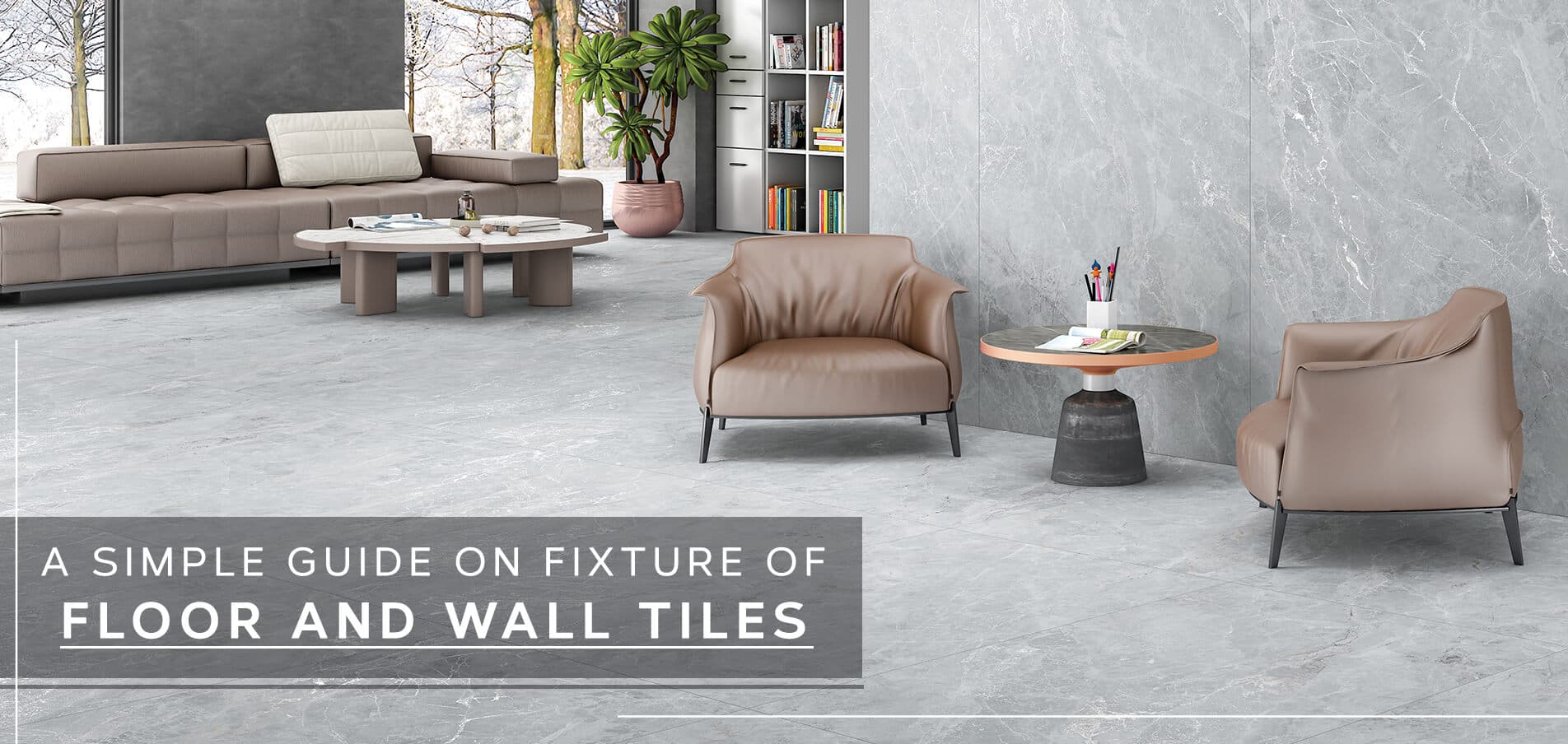
Achieving a flawless and durable tile finish requires following the proper tile laying procedure. Whether you're installing tiles in the kitchen, bathroom, or living area floors and walls, understanding the stepwise process helps ensure a beautiful, long-lasting surface. This comprehensive guide will walk you through the essential steps, tools, materials, and maintenance tips for installing kitchen tiles and other floor and wall tiles with professional precision.
Tools and Materials Needed for Tiles Laying Procedure
Before beginning the tiles laying procedure, gather all essential tools and materials to guarantee a smooth installation:
- Tiles: Choose quality tiles suitable for kitchen or floor applications.
- Tile Adhesive or Mortar: Select adhesive designed for the tile type and substrate.
- Grout: For filling joints between tiles choose epoxy or cement-based grout.
- Tile Spacers: To maintain consistent gaps for grout lines.
- Notched Trowel: For spreading adhesive evenly.
- Tile Cutter or Wet Saw: For cutting tiles to specific sizes.
- Rubber Mallet: To press tiles evenly and remove air gaps.
- Spirit Level or Laser Level: To ensure flatness and alignment.
- Measuring Tape & Pencil: For marking layout lines and tile positions.
- Mop and Sponge: For cleaning excess grout and debris.
- Safety Gear: Gloves, goggles, mask for protection.
Step-by-Step Tiles Laying Procedure for Floor Tiles
Follow these detailed steps to lay floor tiles, ensuring a durable surface tailored to kitchens or any floor area:
1. Surface Preparation
Begin by ensuring the floor surface is clean, dry, and structurally sound. Remove all dust, grease, or loose debris. Patch any holes or uneven spots with a leveling compound or floor screed. A flat, smooth surface prevents weak adhesion and tile cracking.
2. Dry Layout Planning
Plan your tile layout beginning from the center of the room or a focal point like the kitchen entrance. Lay out tiles without adhesive to check alignment, symmetry, and the size of cut tiles needed on edges. For a sophisticated look, consider Simpolo’s marble-look tiles to see how the natural veining flows across the room before setting them. Use spacers to keep grout joints uniformP
Related Post : Top 10 Floor Tiles Design for Stylish Hall In India
3. Mixing Tile Adhesive or Mortar
Prepare the tile adhesive or thin-set mortar as per manufacturer instructions, usually mixing powder with water to a creamy consistency. Avoid making large batches that can dry before use for optimal bonding.
4. Applying Adhesive
Using a notched trowel, spread the adhesive onto a small section of the floor. Hold the trowel at a 45-degree angle to create uniform ridges, improving grip. Only cover an area large enough to lay tiles within 10-15 minutes to prevent drying.
5. Setting Tiles
Press each tile firmly into the adhesive bed, applying slight twisting motion for better contact. If you are using Simpolo large-format tiles, ensure even pressure to achieve that seamless, expansive feel. Use a rubber mallet to gently tap and level tiles with adjacent ones. Insert tile spacers between tiles for even grout joints.
6. Cutting Tiles
Cut tiles as needed for edges or obstacles using a manual tile cutter or wet saw. Always wear safety gloves and eye protection during cutting.
7. Allowing Adhesive to Cure
Let the adhesive cure for at least 24 hours before walking on the tiles or applying grout, ensuring tiles are firmly bonded to the substrate.
Related Post : 15 Modern Kitchen Design Ideas for Your Home
8. Grouting the Joints
Mix the grout to a pliable consistency and apply it diagonally across the tiles’ surface with a rubber float. Push grout firmly into the joints to avoid air pockets and gaps. Remove excess grout with the float held at 45 degrees.
9. Cleaning and Final Inspection
Wait 30-60 minutes after grouting, then wipe tile surfaces with a damp sponge to remove grout haze. After full drying (usually 24-48 hours), polish tiles with a dry cloth. Inspect for any misaligned tiles or grout defects and fix as needed.
Step-by-Step Tiles Laying Procedure for Kitchen Tiles
Kitchen tiles require some additional care due to exposure to moisture, oils, and foot traffic. Below are specific steps for kitchen areas to enhance safety and durability:
1. Choose Suitable Tiles
For kitchen floors and backsplashes, select stain-resistant, slip-resistant tiles such as ceramic, porcelain, or Simpolo’s vitrified tiles with a matte or textured finish to prevent slips and stains in busy cooking zones.
2. Surface Preparation with Waterproofing
Apply a waterproof membrane or primer before adhesive to prevent water ingress that can damage tile adhesive and substrate in kitchens.
Related Post : 10 Simple Kitchen Design Ideas for Your Home in 2026
3. Adhesive Application and Tile Placement
Use rapid-setting adhesive for kitchen tile installation to reduce downtime. Ensure grout joints are spaced slightly wider if thermal expansion is expected due to cooking heat sources.
4. Sealing the Grout
After grouting, seal grout lines with a quality grout sealer. This prevents water, grease, and dirt penetration, making grout easier to clean and retaining appearance.
5. Slip Resistance and Maintenance Tips
Regularly clean kitchen tiles with pH-neutral cleaners and avoid abrasive substances. Use anti-slip mats in wet areas near sinks and cooking zones for enhanced safety.
Step-by-Step Tiles Laying Procedure for Wall Tiles
Wall tile laying follows a slightly different procedure to accommodate vertical mounting.
1. Surface Preparation for Walls
Ensure walls are clean, dry, and structurally sound. Remove paint, dust, or wallpaper to allow strong adhesion.
2. Layout and Marking
Mark vertical and horizontal guidelines with a level, starting from the bottom center. For a cozy, organic aesthetic, Simpolo’s wood-finish tiles can be arranged in a herringbone pattern to add texture to an accent wall. This helps keep tiles aligned vertically and horizontally.
3. Adhesive Application
Apply adhesive to the wall with the appropriate notched trowel. Use full coverage to prevent tile detachment over time.
4. Fixing Tiles
Press tiles firmly onto adhesive. Use tile spacers to maintain uniform joints, commonly recommended at 4mm for walls. Check alignment regularly using a spirit level.
5. Curing and Grouting
Allow at least 3-4 days curing before filling grout joints. Use mild acid cleaners after grouting but avoid harsh chemicals like hydrofluoric acid derivatives, which can damage tile surfaces.
Related Post :10 Tile Design Ideas for Open Kitchen
Choosing the Right Tile Finish and Materials for Kitchens and Bathrooms
The choice of tiles involves consideration of functionality and aesthetic appeal, especially in moisture-prone areas like kitchens and bathrooms.
- Ceramic Tiles: Easier to cut, cost-effective, good for walls and light-duty floor areas.
- Large Format Tiles: Reduce grout lines for a sleek look and easier cleaning.
- Anti-Skid Finishes: Enhance safety by providing slip resistance on floors with anti-skid tiles.
- Porcelain Tiles: Highly durable, low porosity, and water-resistant, porcelain tiles are ideal for kitchens and bathrooms.
- Color and Texture Coordination: Choose tiles that complement your kitchen layout and concealed plumbing/fixtures for a harmonious appearance.
- Stain-Resistant Tiles: Important for kitchen worktops and backsplashes.
Common Mistakes to Avoid During Tile Installation
- Skipping surface preparation or installing over uneven substrates.
- Using the wrong adhesive or mortar for tile type and surface.
- Neglecting to plan tile layout which leads to unsightly cuts or misalignment.
- Not allowing sufficient curing time before grouting or foot traffic.
- Inadequate use of tile spacers resulting in uneven grout lines.
- Ignoring waterproofing in moisture-prone areas causing future damage.
- Failing to seal grout properly in kitchen and bathroom areas.
- Cutting tiles improperly or without safety precautions.
How to Maintain Your Tiles After Laying
Proper maintenance helps keep tiles looking fresh and extends longevity:
- Clean tiles regularly with neutral pH cleaners to avoid damaging finishes.
- Wipe up spills promptly to prevent staining, especially in kitchens.
- Re-seal grout lines yearly or as advised to maintain water resistance.
- Use protective pads on furniture legs to avoid scratches on floor tiles.
For outdoor tiles, clear debris to prevent surface abrasion and moss growth.






 Toll Free: +91 7228922222
 +917433978200
 customercare@simpolo.com
 1800-233-2223