

Epoxy Flooring vs Tiles – Which Is Better for Your Home
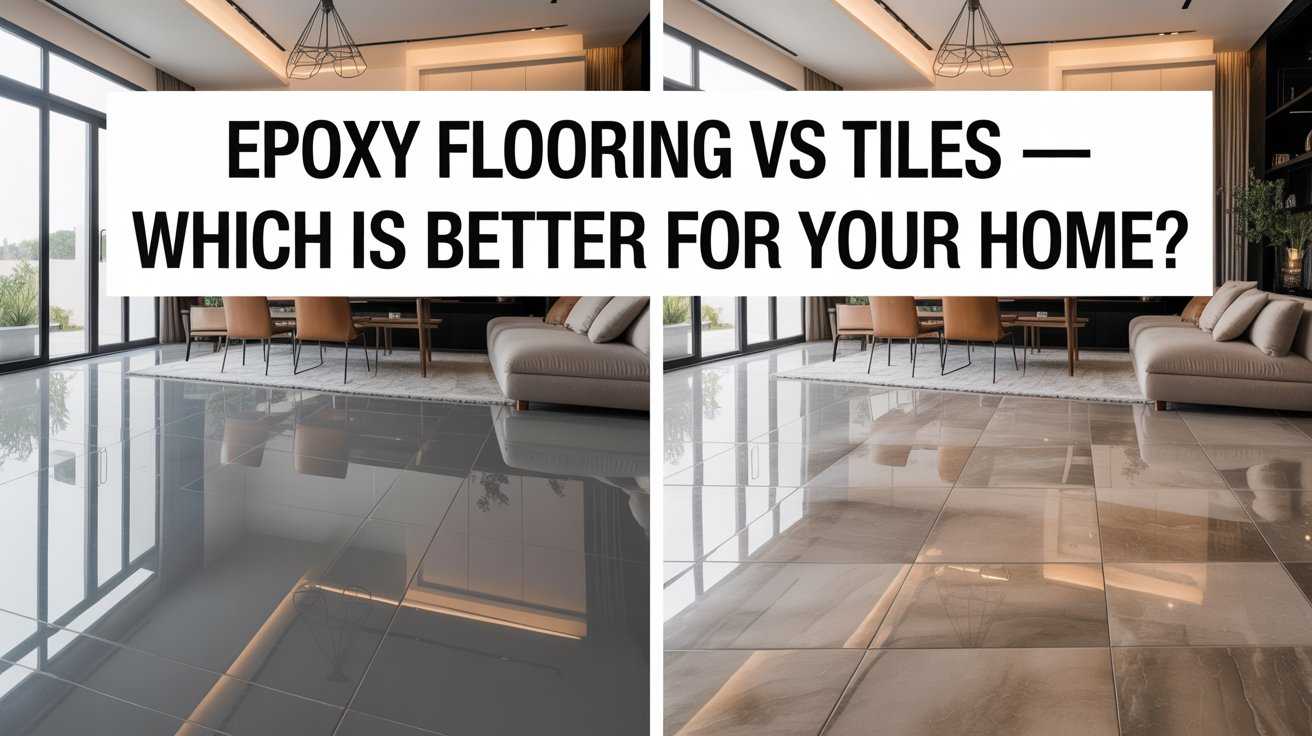
When it comes to choosing the right flooring for your home, the debate between epoxy flooring vs tiles is becoming increasingly common. Tiles have long been a popular choice in Indian homes for their durability, versatility, and ease of maintenance. On the other hand, epoxy flooring, once limited to commercial spaces, is now making its way into modern kitchens and living rooms due to its seamless finish and contemporary appeal.
What Is Epoxy Flooring?
Epoxy flooring is created by combining a resin with a hardener, which cures into a smooth, seamless surface when applied to the base floor. Once mainly used in warehouses and hospitals, it is now gaining popularity in Indian homes for its glossy, continuous finish and modern appeal.
This flooring features a seamless surface, eliminating grout lines for easy cleaning and maintenance. Resistant to stains, oils, and most household chemicals, epoxy can be customised with colours or patterns and bonds directly to concrete. With proper installation, it can last for years, giving homeowners a sleek, contemporary look for their living spaces.
What Are Tiles? Types and Their Uses in India
Tiles are a popular flooring and wall solution in Indian homes, known for their durability, versatility, and design appeal. Tiles in India come in various types, each suited to different functional and aesthetic needs. Common tile types include:
- Ceramic tiles – affordable, easy to maintain, ideal for kitchens and bathrooms.
- Porcelain tiles – dense and water-resistant, suitable for areas with frequent use.
- Vitrified tiles – hard-wearing with a polished finish, great for living rooms and hallways.
- Marble tiles – luxurious and elegant, often used in premium spaces.
Choosing the right tile depends on the room, usage, and desired look, making tiles a versatile choice for modern Indian homes.
Related Post : 14+ Half Wall Tile Design Ideas for a Stylish Living Room
Epoxy Flooring vs Tiles: Detailed Comparison
Selecting the right flooring for your home requires striking a balance between aesthetics, durability, and functionality. Both epoxy flooring vs tiles offer unique benefits, and understanding their differences can help you make an informed choice for living rooms , kitchens , and other residential spaces.
1. Appearance and Aesthetics
Epoxy Flooring: Epoxy provides a smooth, seamless surface with a glossy finish. It can be customised with a variety of colours, patterns , and metallic effects , giving spaces a modern and contemporary feel. Its continuous surface also creates the illusion of a larger, more open area.
Tiles: Tiles are versatile in design and texture, ranging from ceramic and vitrified to marble and stone tiles . They allow for traditional, contemporary, or patterned designs, giving homeowners flexibility to match their interiors while adding elegance and character to any space.
2. Durability and Lifespan
Epoxy Flooring: When professionally installed, epoxy is exceptionally durable and can withstand abrasions, cracks, and most household chemicals. Its long-lasting finish keeps it looking pristine for years, making it ideal for areas with frequent use.
Tiles: Tiles are highly durable and built to last. Porcelain, vitrified, and marble tiles can handle everyday use while maintaining their visual appeal. Their lasting strength and elegance make them a dependable flooring choice for Indian homes over the years.
3. Maintenance and Cleaning
Epoxy Flooring: Cleaning epoxy is simple due to its seamless surface, and it requires minimal upkeep to maintain its glossy finish.
Tiles: Tiles are also easy to maintain and clean. Ceramic and vitrified options resist stains and spills, while marble adds a touch of sophistication with minimal effort.
Related Post : 10+ Creative Floor Tile Border Ideas for Modern Homes
4. Cost Considerations
Epoxy Flooring: Installation costs are generally higher since professional application is essential, but the longevity and uniform finish can make it a worthwhile investment.
Tiles: Tiles cater to a wide range of budgets and preferences. From affordable ceramic to premium marble and vitrified tiles, homeowners can find options that suit both style and cost considerations. Installation is relatively simple and allows for future upgrades if needed.
5. Comfort and Safety
Epoxy Flooring: Provides a firm surface that can be treated with anti-slip coatings for safety.
Tiles: Tiles provide excellent traction, with many varieties naturally slip-resistant. They feel comfortable underfoot and are well-suited for daily use in residential spaces.
6. Installation
Epoxy Flooring: Requires a smooth, prepared base and professional application for a flawless, uniform finish.
Tiles: Tiles are relatively easy to install on most floors, and individual pieces can be replaced if needed, making them a flexible and low-maintenance flooring option over time.
Related Post : 10 Modern Office Wall Design Ideas with Commercial Tiles
7. Environmental Impact and Eco-Friendliness
Epoxy Flooring: Epoxy is durable, but it is made from synthetic resins, which are less biodegradable.
Tiles: Tiles, especially those made of ceramic, porcelain, and natural stone, are long-lasting and can be produced using recycled materials. This makes them one of the more eco-friendly flooring options in India, offering sustainability while maintaining style and functionality.
Their strengths, and the choice ultimately depends on your home’s style, budget, and functional needs. Tiles offer timeless versatility and classic appeal, while epoxy brings a modern, seamless finish that enhances contemporary interiors.
Tips for Choosing Flooring Between Epoxy and Tiles
When choosing flooring, epoxy vs tiles, keep these tips in mind to make the best decision for your home:
- Set a Budget: Determine how much you’re willing to spend upfront and factor in long-term maintenance costs. Tiles offer options for every budget, while epoxy may cost more initially but lasts longer.
- Consider Your Lifestyle: For busy areas like kitchens or living rooms, pick flooring that suits your family’s daily activities.
- Think About Style: Choose flooring that complements your interior design. Epoxy works well for modern, seamless spaces, while tiles provide versatile textures, colours, and patterns.
- Plan for Maintenance: Opt for flooring that matches the level of care you can provide.
- Check Installation Needs: Consider the level of expertise required and the time needed for installation to ensure a smooth, hassle-free process.
- Eco-Friendly Choices: Opt for tiles made from recycled materials or low-VOC epoxy options to create a greener home.
Related Post : Best Office Flooring Tiles for Commercial Spaces
Cost Comparison: Epoxy Flooring vs Tiles
|
Cost Aspect |
Epoxy Flooring |
Tiles
|
|---|---|---|
|
Initial Installation |
Higher due to complex prep, skilled application |
Lower to moderate; depends on tile type and installation complexity |
|
Material Cost |
Moderate to high depending on epoxy type and additives |
Varies widely; ceramic tiles are generally affordable, natural stone or porcelain cost more |
|
Maintenance |
Low maintenance reduces costs over time |
Requires grout resealing and more regular upkeep, adding to long-term costs |
|
Repair |
Difficult and expensive; patches possible |
Easy and inexpensive; replace damaged tiles individually |
|
Longevity |
10-20+ years with perfect care |
15-30+ years depending on material and maintenance |
While epoxy flooring implies a higher upfront cost, its durability and low maintenance can make it is more cost-effective over time. Tiles offer flexibility in initial costs depending on material choice but may accumulate more maintenance expenses.
Ideal Use Cases for Epoxy Flooring
- Industrial and Manufacturing Facilities: Epoxy floors can withstand chemical spills, heavy machinery movement, and frequent impacts common in factories and warehouses.
- Garages and Workshops: Resistant to oil, grease, and heavy vehicle traffic, they maintain cleanliness with ease.
- Commercial Spaces: High foot traffic locations like retail outlets and educational institutions benefit from epoxy's durability and seamless aesthetics.
- Healthcare and Food Industry: Provide hygienic, bacteria-resistant surfaces suitable for strict sanitary regulations.
Ideal Use Cases for Epoxy Flooring
- Industrial and Manufacturing Facilities: Epoxy floors can withstand chemical spills, heavy machinery movement, and frequent impacts common in factories and warehouses.
- Garages and Workshops: Resistant to oil, grease, and heavy vehicle traffic, they maintain cleanliness with ease.
- Commercial Spaces: High foot traffic locations like retail outlets and educational institutions benefit from epoxy's durability and seamless aesthetics.
- Healthcare and Food Industry: Provide hygienic, bacteria-resistant surfaces suitable for strict sanitary regulations.
Maintenance and Longevity of Epoxy Flooring and Tiles
Epoxy Flooring
- Longevity: With proper installation and care, epoxy floors last 10 to 20 years or more, depending on traffic and usage.
- Maintenance: Minimal; periodic cleaning with mild detergents suffices. Avoid harsh cleaners that can dull the finish.
- Repair: Small chips or damages can be patched but require professional refinishing for large areas.
- Care Tips: Use mats at entryways; avoid dragging heavy furniture; clean spills promptly.
Tiles
- Longevity: Tiles can last 15 to 30 years, especially premium porcelain or natural stone.
- Maintenance: Regular sweeping; grout needs cleaning and resealing approximately every 1-3 years.
- Repair: Easy; replace individual tiles without disturbing the rest of the floor.
- Care Tips: Use pH-neutral cleaners; avoid abrasive scrubbing on grout; address cracked tiles quickly.
How to Choose the Right Flooring for Your Needs
When deciding between epoxy flooring and tiles, consider:
- Purpose and Traffic: Epoxy excels in industrial, commercial, and high-traffic spaces; tiles are versatile for residential and moderate foot traffic.
- Maintenance Willingness: Epoxy requires low upkeep, tiles need periodic grout care.
- Budget Constraints: Evaluate upfront installation versus long-term maintenance costs.
- Design Preferences: For sleek, seamless look go epoxy; for diverse décor options go tiles.
- Installation Conditions: Floor moisture, substrate stability, and existing conditions matter.
- Safety Concerns: Consider slip resistance especially for wet areas.
- Repair Expectations: Tiles offer easier repairs in case of damage.
Conclusion
Both epoxy flooring and floor tiles offer unique advantages, including durability, design versatility, and ease of maintenance. Your choice should reflect your home’s style, daily usage, budget, and environmental considerations. Floor tiles offer timeless elegance and flexibility, while epoxy provides a sleek, seamless, and contemporary appearance. By weighing these factors and following the tips outlined above, you can select the flooring that perfectly balances functionality and aesthetics for your Indian home.



 Toll Free: +91 7228922222
 +917433978200
 customercare@simpolo.com
 1800-233-2223