

How to Check Tiles Quality for Floors and Walls
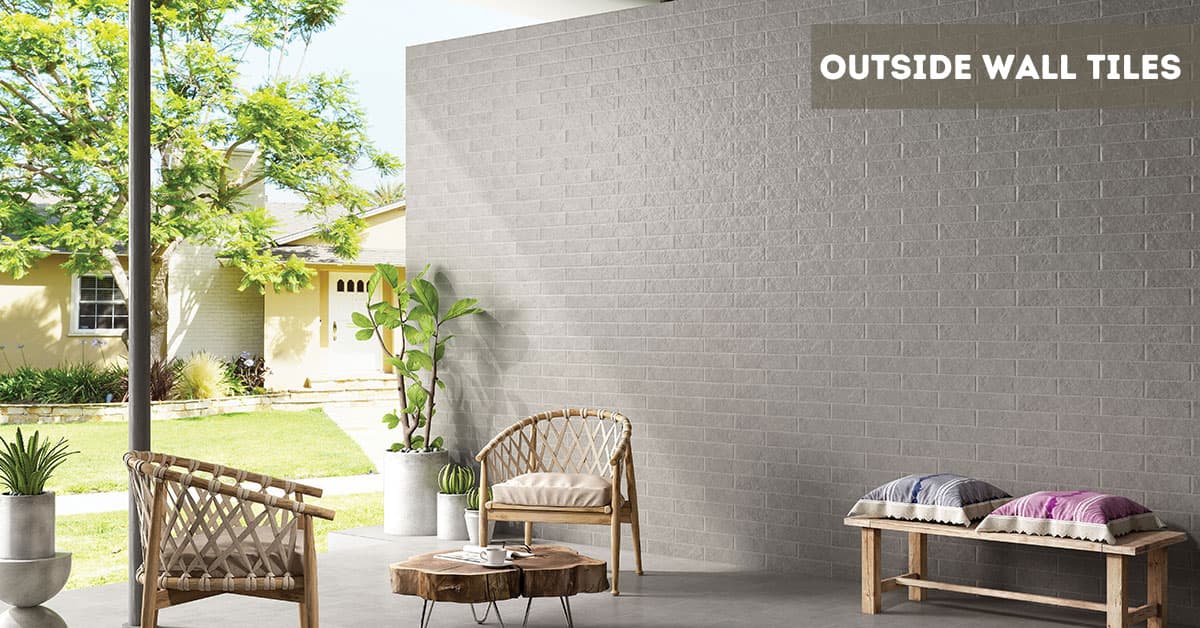
Choosing the right flooring for your home is a technical decision that impacts long-term structural integrity. Beyond aesthetics, understanding tile quality ensures your surfaces remain durable, safe, and moisture-resistant. Whether you are navigating the diverse market for tile quality in India or selecting specific materials for a bathroom, a professional tile quality check is an essential step for every homeowner.
Tiles Quality Standards and Certifications in India
Before evaluating a design, it is critical to understand the technical benchmarks that define excellence. In the construction industry, tiles quality is regulated by the International Organization for Standardization (ISO) and the Bureau of Indian Standards (BIS).
These certifications provide a scientific guarantee that your surfaces will resist moisture, retain color fastness, and bear compressive loads. When assessing tiles quality in India, always prioritize the ISI mark. This signifies premium, export-standard manufacturing that adheres to rigorous mechanical and chemical resistance benchmarks, similar to the high-performance standards maintained by Simpolo.
Ceramic vs. Vitrified Floor Tiles Quality Types
Understanding material composition helps in choosing the right tile quality for each space:
- Ceramic Tiles: Made from natural clay and minerals with higher water absorption (3%–10%). Best suited for walls and low-traffic areas.
- Vitrified (Porcelain) Tiles: Offer superior floor tile quality due to a dense, non-porous structure with water absorption below 0.5%. Highly resistant to stains and wear, making them ideal for high-traffic floors.
Related Post : Top 10 Floor Tiles Design for Stylish Hall In India
How to Check Vitrified Tiles Quality Before Installation ?
A thorough visual assessment is the essential first step in any vitrified tiles quality check. Use the following checklist to identify high-quality batches:
- Color and Pattern Consistency: Check multiple tiles across different boxes for uniform color. In superior manufacturing, shade variation is kept to an absolute minimum to ensure a seamless visual flow.
- Edge Precision (Rectification): The straightness of sides and rectangularity are vital for a smooth installation. Calibration errors or ragged edges are signs of sub-standard quality that lead to uneven layouts.
- Dimension and Thickness: Uniformity is the hallmark of precision. Even a millimeter’s difference can disrupt an entire layout. High-grade floor tiles quality demands that thickness remains constant across the entire consignment.
Scratch Test to Evaluate Floor Tiles Quality
This core tiles quality check method assesses surface hardness and long-term appearance.
- The Method: Take a pointed object and apply moderate pressure to scratch the surface.
- The Benchmark: Vitrified tiles quality is measured on the Mohs scale; high-quality surfaces should ideally have a rating of 5 or above. Tiles that resist scratching will retain their specular gloss or matte appeal for years, even in high-traffic areas prone to abrasions.
How to Check Floor Tiles Quality for Wet Areas ?
Water resistance is a critical indicator of longevity, especially for bathrooms or kitchens. To perform a tiles quality check for porosity, use the water drop test:
- Drop a small amount of water on the back of the tile.
- Vitrified Tiles: Water should bead; absorption must be below 0.5%.
- Ceramic Tiles: Higher water absorption, typically between 3–10%.
If water seeps into a vitrified tile quickly, the tile's quality is insufficient for moisture-heavy environments and may lead to adhesive failure or organic growth like mold.
Related Post : 6 Types of Flooring Tiles for Modern Homes
Tap Test for Checking Tiles Structural Quality
The acoustic tiles quality check helps identify internal structural integrity. Tap the tile gently with a small metal object. A clear, high-pitched "ring" indicates a dense, well-fired tile with no internal cracks or air pockets. A dull thud suggests inferior density or firing inconsistencies during manufacturing.
Best Practices to Ensure Superior Tiles Quality
To maintain the integrity of your investment, professional oversight is recommended:
- Verify Batch Numbers: Ensure all boxes have the same batch/shade number to avoid color mismatches.
- The Flatness Test: Placing two tiles back-to-back can reveal warping (warpage); high-quality tiles must be perfectly flat to avoid "lippage" (uneven edges) after installation.
- Check Breaking Strength: Higher tiles quality is directly correlated to its Modulus of Rupture (MOR). Premium surfaces, such as those engineered by Simpolo, are designed to withstand significant pressure without cracking.




 Toll Free: +91 7228922222
 +917433978200
 customercare@simpolo.com
 1800-233-2223