

How to Convert an Indian Toilet to a Western: Step-by-Step Guide

Bathrooms have quietly become one of the most important spaces in a modern Indian home. What was once a purely functional area is now expected to be comfortable, hygienic, and easy to use for everyone in the family. This is why many homeowners are choosing to convert their Indian toilets to Western toilets. An Indian-to-Western toilet conversion is not just about changing a fixture. It is about improving daily comfort, reducing physical strain, and creating a bathroom that suits today’s lifestyle.
From seniors who need easier seating to children who find Western commodes easier to use, this upgrade offers practical benefits. But it also requires planning. You need to think about plumbing, floor levels, tiles, and professional installation so the final result is both beautiful and reliable.
Why Upgrade Your Bathroom: Benefits of a Western Toilet?
The benefits of the Western toilet go far beyond style. For modern Indian households, shifting from an Indian pan to a Western commode is a true lifestyle improvement. The Indian toilet-to-Western toilet advantages include greater comfort, especially for elderly family members who find squatting painful or risky. Western toilets are also easier for children and guests to use, making the bathroom more welcoming for everyone.
From a hygiene perspective, Western toilets reduce contact with the floor, which makes cleaning simpler and keeps the space more sanitary. With proper tiles and fittings from Simpolo Bathware, you can also create a bathroom that stays fresh, bright, and easy to maintain for years.
Essential Pre-Conversion Planning
Before starting the Indian toilet to western toilet process, good planning saves time, money, and stress. Use this toilet conversion planning and bathroom renovation checklist to stay organised.
- Budget planning
Decide how much you want to spend on the toilet, plumbing, tiles, and labour. Keep a small buffer for unexpected adjustments. - Timeline expectations
Most conversions take a few days, but drying time for flooring and tiles can extend the project. Set a realistic schedule. - Material and product selection
Choose a high-quality Western commode, wall tiles, and floor tiles from Simpolo Tiles & Bathware, so everything matches your design and lasts longer.
Also Read:Indian vs Western Toilet: Pros, Cons & Key Differences
Assessing Your Current Bathroom Space and Plumbing
A proper bathroom layout assessment is the foundation of a successful conversion. Check the existing plumbing and drainage system to see where the outlet is located. Indian toilets usually have a floor-level drain, while Western toilets often need a wall or floor outlet at a specific position.
Also, look at the water inlet placement. You may need to move or extend it. Finally, review space constraints to make sure the new toilet fits comfortably without making the bathroom feel cramped.
Assessing Your Current Bathroom Space and Plumbing
This second review ensures nothing is missed. Again, study the bathroom layout assessment carefully. Measure floor levels to see if any elevation changes are needed. Check the existing plumbing for leaks or corrosion. Inspect the drainage system so waste flows smoothly after the new toilet is installed. Proper preparation avoids costly repairs later.
Also Read: Commode Seat Fitting Guide with Western Commode
Step by Step: The Indian to Western Toilet Conversion Process
A clear Indian toilet to Western toilet installation plan helps everything run smoothly. These conversion steps explain how professionals usually complete the job.
Safe Dismantling of the Existing Indian Toilet Fixture
The old Indian pan and its surrounding floor tiles are carefully removed. Workers protect nearby pipes and walls so nothing breaks. This stage also involves clearing old cement and checking the base surface so the new toilet can sit firmly and evenly.
Plumbing Modifications for Western Toilet Compatibility
Next, plumbers adjust the drainage and water lines to suit the Western commode. They may shift the outlet position or install new connectors. Proper alignment is critical so waste flows correctly and no leaks occur. This step ensures long-term performance.
Installing Your New Western Commode System
The Western toilet is then placed, fixed, and sealed. Bolts, sealants, and fittings are used to secure it to the floor. Once connected to water and drainage, a test flush checks that everything works smoothly and without leakage.
Also Read: Types of Commodes: A Complete Bathroom Guide
The Perfect Finish Retiling with Simpolo’s Quality Tiles
After the toilet is installed, the floor and wall areas are retiled. This is where Simpolo Tiles & Bathware adds beauty and durability. Quality tiles not only make the bathroom look elegant but also protect it from moisture and stains, giving it a polished finish.
Post Conversion Care and Maintenance for Lasting Beauty
Good Western toilet maintenance helps your bathroom stay clean, fresh, and long-lasting. Regular cleaning prevents stains, watermarks, and unpleasant odours from building up over time. Using the right cleaning products also protects surfaces from damage. With Simpolo Tiles and Bathware’s Ottimo Collection tiles like Carrara Vintage, daily care is simple and hassle-free. These tiles are designed to resist moisture and marks, so you only need mild, pH-neutral cleaners to maintain their shine. Avoid harsh chemicals or abrasive tools, as gentle cleaning is enough to keep the toilet area hygienic, bright, and looking new for years.
Explore Simpolo for Your Complete Bathroom Transformation
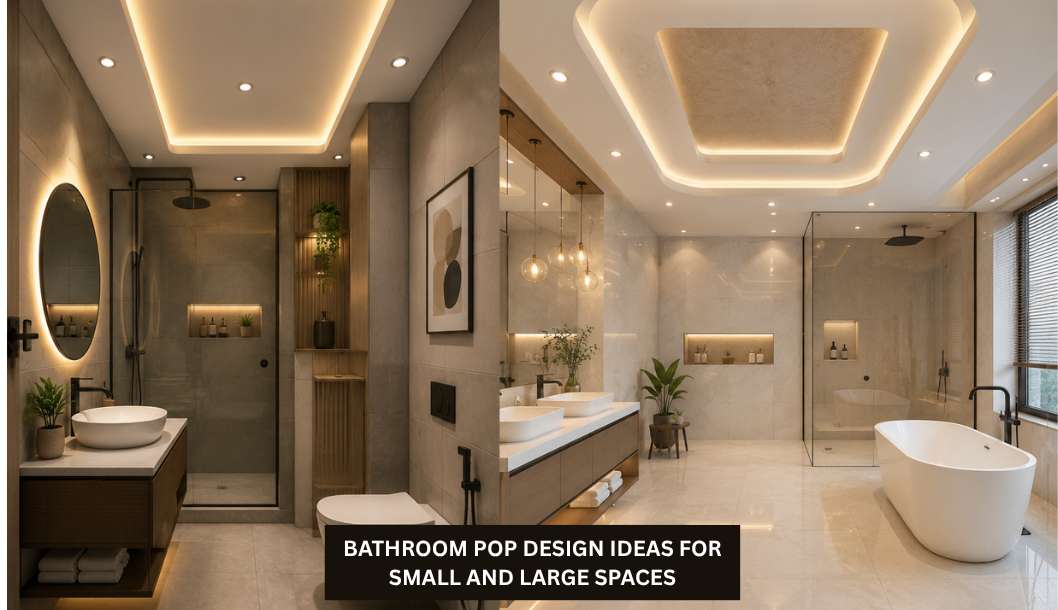
A toilet upgrade is a great chance to refresh the entire bathroom. With complete renovation options available today, you can choose wall and floor tiles that reflect your personal style. Whether you like a calm, spa-inspired space or a bold, modern look, the right tile choices can change the feel of the room. Thoughtful design planning turns a simple toilet conversion into a well-coordinated bathroom that looks stylish, feels comfortable, and works better for everyday use.




 Toll Free: +91 7228922222
 +917433978200
 customercare@simpolo.com
 1800-233-2223