

One Piece Commode Size: Standard Dimensions for Modern Bathroom Design
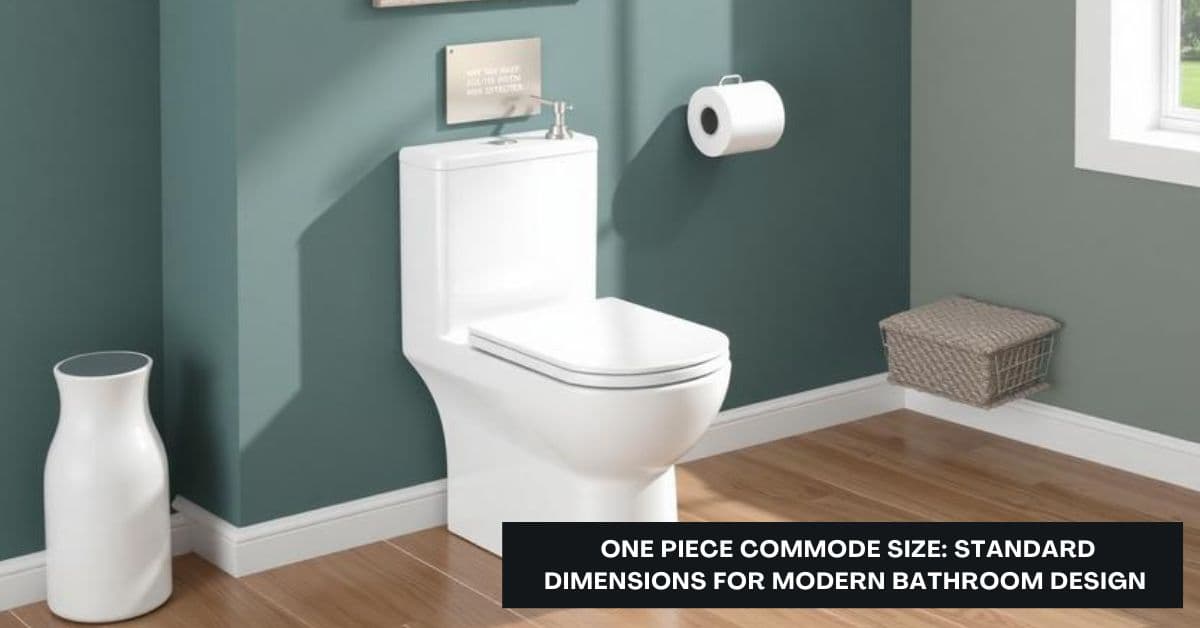
Bathrooms in modern Indian homes are expected to feel comfortable, hygienic, and visually balanced, even when space is limited. A common mistake homeowners make is choosing a commode based only on appearance, without considering whether the size suits the bathroom layout. An incorrect one-piece commode size can restrict movement, reduce comfort, and make cleaning difficult. This is why understanding dimensions before purchase is essential. One-piece commodes have become popular for their compact form, seamless design, and ease of maintenance. Selecting the right single-piece commode size helps create bathrooms that feel open, functional, and pleasant to use every day.
What is a One Piece Commode?
A one-piece commode is a toilet where the cistern and bowl are manufactured as a single, integrated unit. Unlike two-piece commodes, which have separate tanks and bowls joined during installation, this design offers a cleaner and more compact appearance.
The one-piece commode size is generally streamlined, making it suitable for contemporary bathrooms where space efficiency matters. Fewer joints also mean fewer areas for dust and moisture to collect, improving hygiene and simplifying cleaning. In Indian homes, one-piece commodes are widely preferred for their modern look, durability, and practical proportions.
Standard Dimensions of One-Piece Commodes
Understanding standard dimensions is essential to avoid installation challenges and ensure everyday comfort. While exact measurements vary by model and design, the standard one-piece commode size generally follows ranges that suit most Indian bathrooms. For example, one-piece commodes available at Simpolo Tiles & Bathware are designed around proportions that balance space efficiency with user comfort, making them suitable for both compact and spacious layouts.
Key dimensions to consider include length, width, overall height, seat height, and rough-in size. Each measurement influences how the commode fits within the bathroom layout, aligns with plumbing points, and supports comfortable use over time. Selecting dimensions that are proportionate to surrounding elements such as wall tiles, floor finishes, and circulation space helps maintain a clean, well-planned bathroom environment.
Typical standard dimensions
|
Dimension Type |
Common Range |
|
Length |
670 mm to 720 mm |
|
Width |
360 mm to 400 mm |
|
Overall height |
650 mm to 800 mm |
|
Seat height |
390 mm to 430 mm |
|
Rough-in size |
300 mm (most common) |
Length determines how much floor space the commode occupies, which is important in compact bathrooms. Width affects seating comfort and side clearance. Seat height directly influences posture and ease of use, particularly for elderly users. Rough-in size must align with existing drainage points to ensure proper installation.
Also Read: Types of Commodes: A Complete Bathroom Guide
Single Piece Commode Size Variations
Single-piece commode size options are designed to suit different users and bathroom types. Compact models are shorter and work well in small bathrooms and powder rooms. Elongated models provide a longer bowl and better seating comfort, making them suitable for master bathrooms or frequently used washrooms.
Height variations are also available. Standard height suits most users, while comfort height commodes are slightly taller and offer better support for elderly users or those with mobility concerns. Some designs also cater to children with lower seat heights. These variations allow homeowners to choose comfort without compromising available space.
Factors to Consider When Choosing a One-Piece Commode Size
Selecting the right one-piece commode size requires thoughtful planning. The following factors help ensure comfort, technical compatibility, and long-term usability in Indian bathrooms.
- Bathroom space and layout: Measure the available floor area, side clearances, and door swing carefully. Proper spacing ensures the commode fits comfortably without restricting movement or access within the bathroom.
- User comfort and seat height: Seat height and bowl length should align with the needs of primary users. Standard heights suit most households, while slightly taller profiles can improve ease of use in homes with elderly family members.
- Usage frequency: Bathrooms that experience frequent daily use benefit from commode sizes that support sustained comfort and structural stability.
- Plumbing compatibility: Check the rough-in distance and water inlet position before finalising the commode size. Correct alignment reduces installation complications and avoids unnecessary plumbing modifications.
- Design and visual balance: The commode size should remain proportionate to other bathroom elements such as wall tiles, floor finishes, and storage units. Simpolo Tiles & Bathware offers coordinated tile systems and surface finishes that help maintain visual balance, maintain clean sightlines, and create a cohesive, modern bathroom layout when planning commode placement.
Also Read: Indian Commode Size & Dimensions Guide for Bathrooms
Installation Tips for One-Piece Commodes
Correct installation depends on accurate size planning and careful execution.
- Measure the rough-in distance from the wall to the drainage outlet before purchasing the commode.
- Ensure the floor is level so the commode sits evenly and seals properly.
- Leave adequate side clearance for comfort and ease of cleaning.
- Avoid forcing alignment with plumbing connections, as this can cause cracks or flushing problems.
- Double-check all measurements before installation to prevent last-minute adjustments.
Attention to commode fitting size details helps avoid leaks, damage, and improper performance.
Maintenance and Longevity of One-Piece Commodes
Maintenance is simpler when one-piece commode size maintenance needs are understood. The seamless design has fewer joints, reducing areas where dirt and moisture accumulate.
Clean the surface regularly using mild, non-abrasive cleaners to protect the glaze. Compact models are easier to clean around the base, while elongated designs may need extra attention at the rear. Avoid harsh chemicals that can dull the finish. Proper care helps maintain hygiene and extends the commode’s lifespan.
Also Read: Ideal Commode Height from Floor for Modern Bathrooms
Conclusion
Choosing the right one-piece commode size is essential for creating a bathroom that feels comfortable, functional, and visually balanced. Understanding standard dimensions, size variations, and installation requirements helps avoid common planning mistakes. With thoughtful measurement and selection, a well-sized one-piece commode can support better hygiene, efficient use of space, and long-term comfort in Indian bathrooms.




 Toll Free: +91 7228922222
 +917433978200
 customercare@simpolo.com
 1800-233-2223