

Restaurant Interior Design Ideas and Tiles for 2026
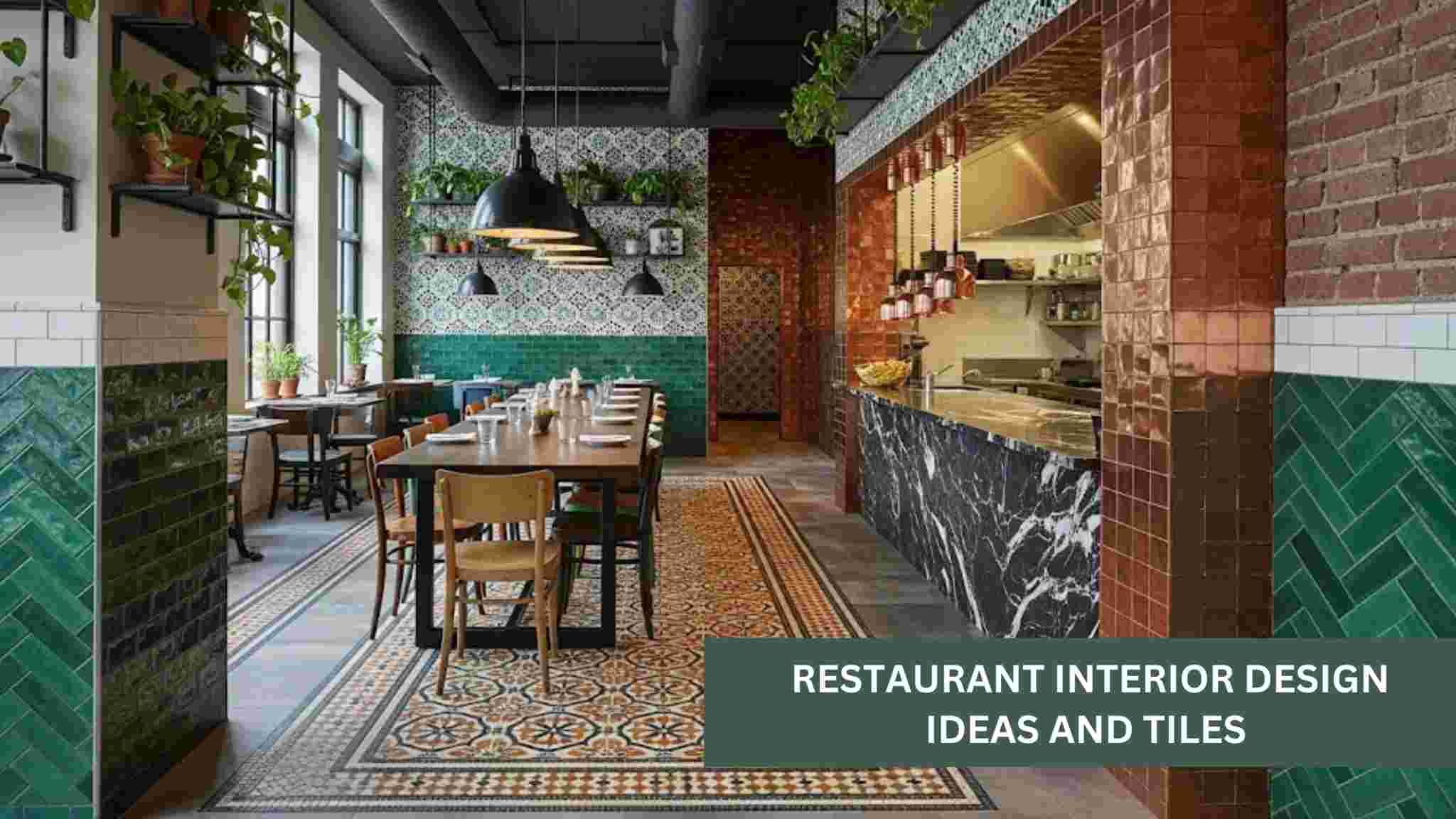
In 2026, restaurant interior design goes far beyond just aesthetics—it shapes how diners feel, interact, and remember their experience. With competition growing and customer expectations rising, restaurants are utilising design to differentiate themselves and remain relevant. A well-designed space not only reflects the brand’s story but also creates an inviting and immersive atmosphere. Among all elements, tiles play a key role in defining mood and movement—from stylish flooring to statement walls.
This blog explores the latest ideas in restaurant interiors and how innovative tile choices can completely transform your dining space into something truly unforgettable.
10 Transformative Restaurant Interior Design Ideas for 2026
Designing for 2026 is all about balance, function, beauty, and the way people interact with a space. Based on that, let's take a look at the ten ideas that are extremely popular this year.
1 . Geometric Tile Patterns for a Modern Touch
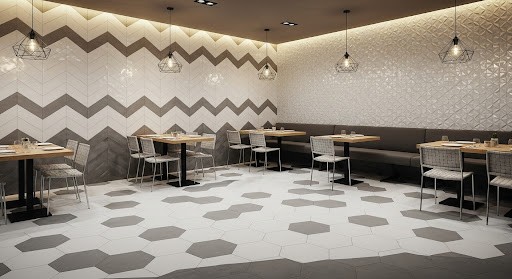
Clean lines and geometric shapes instantly give a restaurant a contemporary feel. Hexagons, chevrons, and subtle 3D tile designs on floors or walls add depth without distracting the eye. You can consider options like our Corolla Navy or Morta Terra Décor (CRV) tiles. These pair well with simple furniture, making the entire area feel inviting.
2 . Earthy Tones and Natural Materials
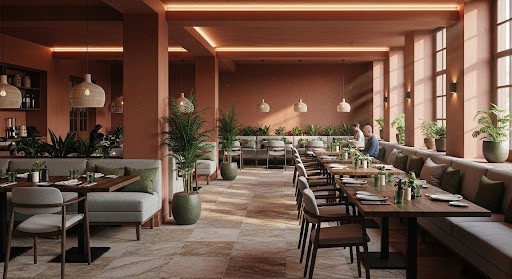
Natural shades, such as terracotta, warm greys, and muted greens, create a grounded atmosphere. Stone tiles, which often mimic stone or clay add texture and warmth, making diners feel relaxed. Combining these tones with wood or metal helps maintain a balanced look.
3 . Open Kitchens and Exposed Dining Areas
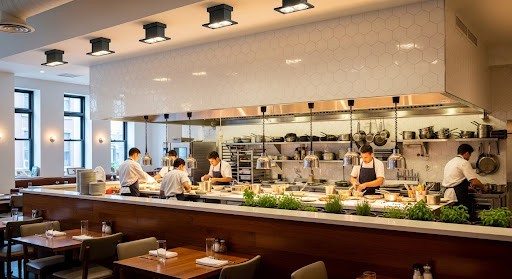
Open kitchens let guests see the craft behind their meal. More restaurants are embracing transparency by the day, opting for kitchen tiles with easy-to-clean surfaces that still look beautiful under bright lighting. Sleek, stain-resistant options from our collection are perfect for such spaces.
4 . Retro-Inspired Tile Designs for Nostalgic Vibes
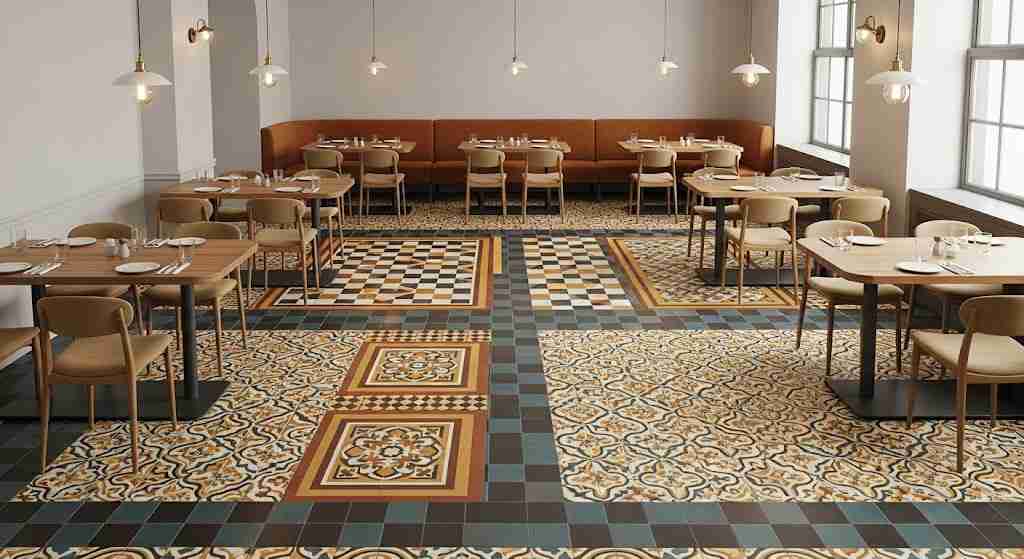
Vintage tile designs are making a comeback with a modern twist. When you're looking at something charming, cold chequered board tiles or patterned encaustic designs, retro floor tiles offer a stylish option that doesn’t feel outdated, a retro floor can even complement neutral walls, letting the flooring become a statement.
5 . Minimalistic and Sleek Designs
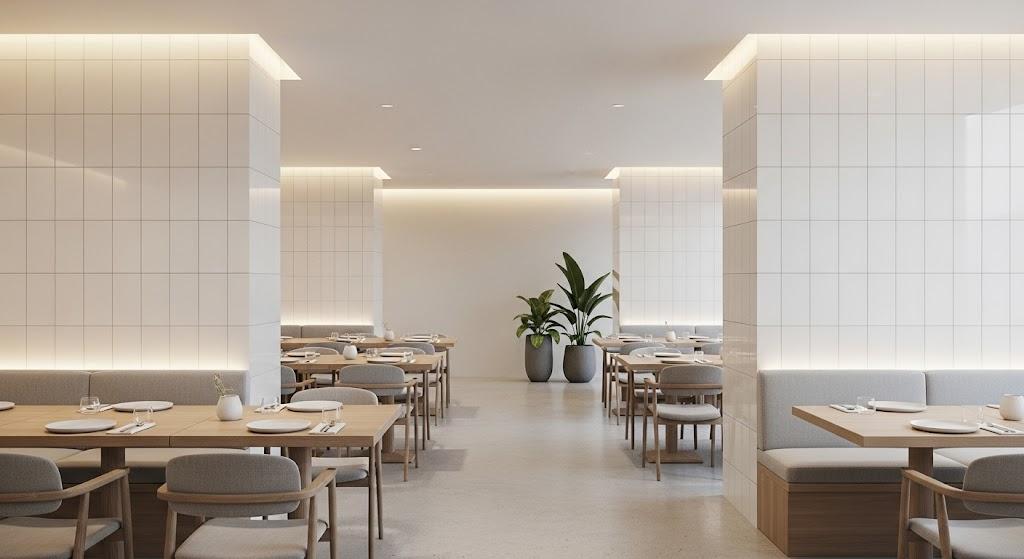
Minimalism, characterised by clean white tiles, soft greys, and smooth finishes, creates a calm and uncluttered atmosphere in the restaurant. Pairing these tiles with aesthetic lighting makes the space feel spacious.
6 . Sustainable and Recycled Materials for Tiles
Nowadays, eco-friendly options are central to restaurant interior design ideas. Recycled tiles or those made from sustainable materials are not just good for the environment but also add a unique story to the space.
7 . Customisable Furniture and Modular Designs
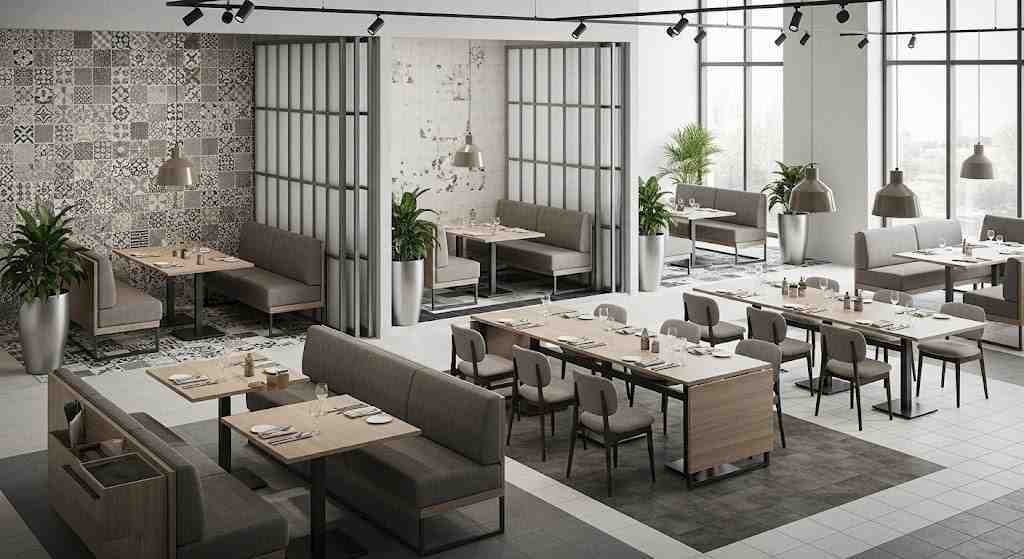
Retractable dividers and flexible seating enable restaurants to easily adapt to events or seasonal decor. Tiles, available in various patterns and sizes, help define these adaptable spaces and subtly guide guests in the absence of walls.
8 . Lighting That Complements Your Design
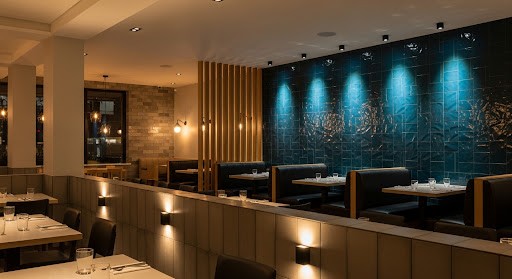
Unlike wall paints, tiles reflect lighting. Soft, warm lighting on a matte tile, like Queen Mint, gives a cosy feel, while focused lighting on glossy wall tiles makes them shimmer and become a feature. In 2025, layered lighting with tile backdrops is a trend that works across all restaurant themes.
9 . Statement Walls with Bold Tile Features
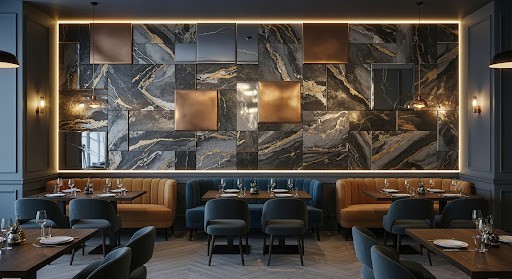
One striking wall changes the entire vibe of a restaurant. Large-format tiles like Fluid Lava or Canary Brescia with dramatic veining, metallic accents, or even full metallic tiles, Their textured finishes can truly become the room's focal point.
10 . Interactive Dining Spaces with Playful Designs
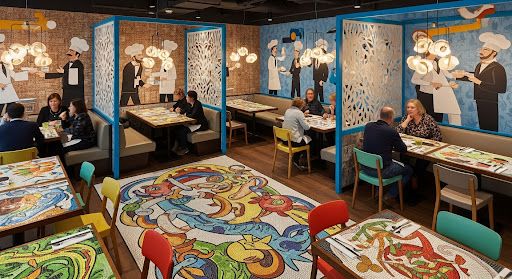
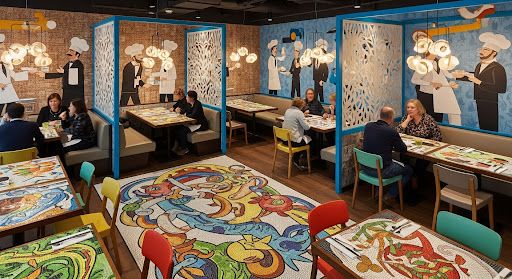
Restaurants are becoming increasingly interactive with their customers, incorporating this approach into their designs, technology, and services. Playful tile mosaics on floors or tabletops give guests something to talk about. It could be a subtle pattern or a bold art-inspired design that makes the dining experience feel personal and unique.
The Role of Restaurant Tiles in Interior Designs
Tiles are a crucial part of restaurant tile design, helping tie together the space’s theme, function, and atmosphere. Whether it’s a fine-dining restaurant or a trendy café, the right tile design sets the tone. In 2025, tiles are not just chosen for their durability, but also for the character they add—from walls to countertops and flooring.
Contemporary restaurants are leaning into colour-rich ceramic tiles, wood-look finishes like Dust Cedar, and bold patterns to define different zones within the space. A polished marble tile instantly elevates a luxury setting, while matte finishes bring warmth and informality.
Tile design trends this year favour soft neutrals, earth tones, and textured surfaces that blend style with practicality. At Simpolo Tiles and Bathware, restaurant-ready collections offer anti-slip tiles, stain-resistant, and easy-to-maintain options that remain beautiful even with high foot traffic. When used wisely, tiles become the backbone of a restaurant’s personality and overall design expression.
Related Read: 10 + Restaurant Wall Designs with Stylish Wall Tiles Ideas
Key Elements to Consider in Restaurant Interior Design
Successful restaurant interior design marries the operational requirements with atmospheric qualities that invite and impress guests. These key elements guide the conceptual and practical process:
- Ambience and Theme:
Establish a consistent narrative and mood that reflect your restaurant’s identity and cuisine style, evoking desired emotional responses and unique experiences. - Functional Layout:
Optimize space utilization by planning seating, service corridors, and flow patterns to ensure smooth operations and guest comfort, avoiding congestion and maximizing effective capacity. - Lighting:
Develop a balanced lighting strategy that combines natural daylight exposure with layered artificial lighting tailored to different zones, enhancing comfort and highlighting design features. - Colour Scheme and Materials:
Choose colors that psychologically stimulate appetite and set the mood. Warm hues like reds and oranges promote excitement, while natural tones relax and soothe. Complement colors with tactile materials for layered sensory appeal. - Comfort Seating and Ergonomics:
Prioritize ergonomic furniture with adequate cushioning and appropriate dimensions, facilitating enjoyable prolonged dining experiences.
How to Choose the Best Restaurant Floor Tiles Design for Durability and Style
When selecting restaurant floor tiles design, the balance between aesthetics and heavy-duty performance is critical:
- Tile Material:
Vitrified tiles are recommended for commercial settings due to their strength, stain-resistance, and low porosity. They are available in diverse designs including wood, stone, and abstract patterns. - Slip Resistance:
Prioritize slip-resistant finishes (matte or textured) especially for kitchen and dining areas prone to spills, ensuring safety for staff and guests. - Ease of Maintenance:
Select stain-proof, easy to clean surfaces that do not require frequent sealing or specialized care, helping to maintain hygiene standards effortlessly. - Tile Size and Grout:
Large-format tiles reduce grout lines and create a seamless, spacious appearance. Grout color impacts the visual flow and should complement tile tone for an integrated design. - Durability:
Commercial-grade tiles withstand heavy foot traffic, resist scratches, and maintain color longevity under cleaning chemicals and daily wear. - Aesthetics:
Match tile patterns, colors, and finishes with your restaurant’s theme, ambiance, and furnishings for a cohesive design language.
Related Read: 20 Modern Commercial Building Elevation Design Styles
Combining Tile Designs and Interior Themes for a Cohesive Look
Achieve harmony between restaurant interior design elements through thoughtful tile integration:
- Color Coordination:
Select tiles that complement furniture upholstery, wall colors, and decorative accents, maintaining visual balance. - Texture Matching:
Balance smooth and textured surfaces for interest without overwhelming the senses. - Zoning by Tile Patterns:
Use tile patterns or sizes to subtly define areas, such as dining, waiting, and service zones, promoting functional clarity. - Statement vs. Subtle Tiles:
Employ bold tiles sparingly on feature walls or flooring, paired with neutral tones elsewhere to create focal points. - Lighting Compatibility:
Ensure tile finishes reflect or absorb light suitably to reinforce the room’s ambience.
Top Trends in Restaurant Interior Design and Tile Usage for 2026
Key trends shaping the hospitality design landscape include:
- Sustainable materials and design reflecting consumer eco-awareness
- Biophilic design with natural plants and green walls enhancing atmosphere
- Modular and flexible layouts adapting to diverse customer needs
- Retro and vintage-inspired tile patterns blending nostalgia with modernity
- Integration of smart lighting for ambience control
- Statement walls using large-format or metallic tiles for impact
- Mixed tile applications combining different finishes and designs by zone
- Prioritization of hygiene and safety with slip-resistant, easy-clean tiles
- Community and shared seating concepts enclosed within tile-defined areas
Related Read:Best Office Flooring Tiles for Commercial Spaces
The Role of Tiles in Restaurant Interior Designs
Tiles serve multifaceted roles within restaurant environments:
- Functional Flooring:
Provide hard-wearing, anti-slip, and stain-resistant surfaces essential for high-traffic zones. - Decorative Statement Walls:
Establish focal points with designer tile mosaics or tactile finishes enhancing character and theme expression. - Backsplashes and Counters:
Ensure durability and ease of cleaning in kitchen and service areas. - Acoustic and Thermal Benefits:
Certain tiles contribute to sound control and heat retention, improving overall comfort. - Safety and Hygiene:
Specialized tiles can enhance slip resistance and facilitate antibacterial cleaning.
Simpolo Tiles’ collections integrate these features, enabling restaurant owners to combine function, beauty, and safety effortlessly.



 Toll Free: +91 7228922222
 +917433978200
 customercare@simpolo.com
 1800-233-2223