

Marble Flooring vs Vitrified Tiles: Which Is the Best Choice ?
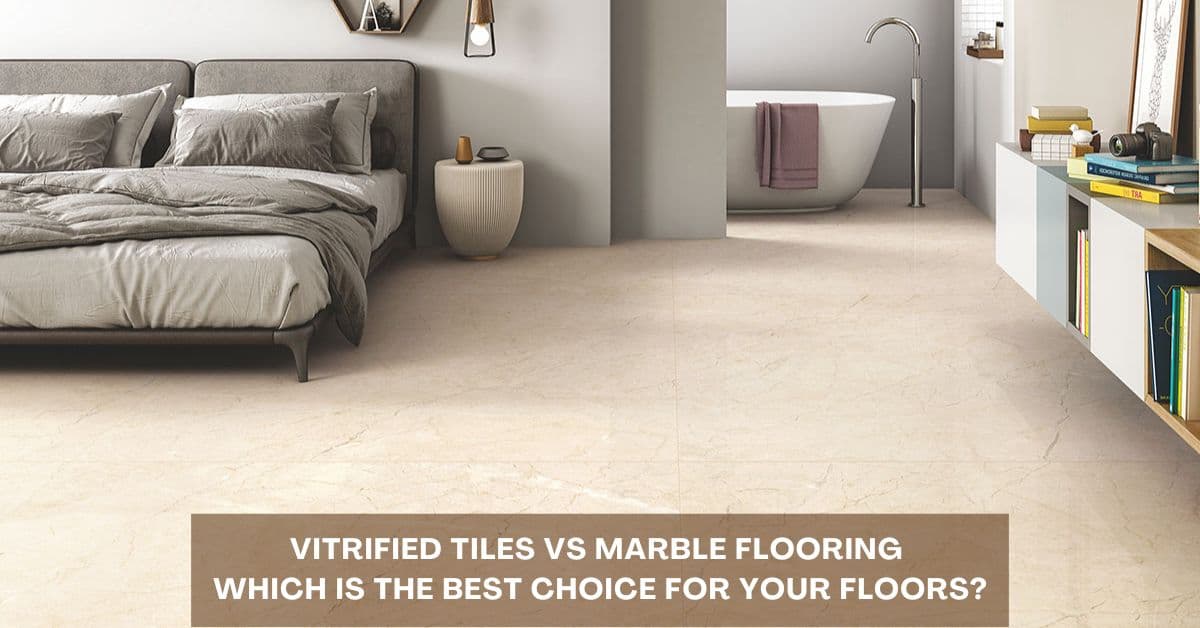
The selection of flooring is one of the most critical structural and aesthetic decisions in interior design, covering the largest surface area of any home. When planning a renovation or a new build, choosing the right material can drastically transform a room's longevity, ambient atmosphere, and daily maintenance requirements. Among the various options available—such as natural stone, porcelain, and ceramic—the debate between marble flooring vs vitrified tiles remains a primary concern for homeowners.
While natural marble is a metamorphic rock known for its organic appeal, modern vitrified tiles have emerged as a high-performance engineered alternative. Understanding the technical nuances of vitrified tiles vs marble is essential to determine which is better tiles or marble for your specific lifestyle, budget, and the unique needs of Indian homes.
What Are Vitrified Tiles?
Vitrified tiles are made from a mixture of clay, silica, and other minerals that are fired at high temperatures to create a dense and durable material. They are often glazed, giving them a polished and glossy finish, but they can also be left unglazed for a more natural look.
Key Benefits of Vitrified Tiles:
- Durability: Vitrified tiles are incredibly hard and resistant to stains, scratches, and moisture, making them ideal for high-traffic areas.
- Low Maintenance: Their non-porous nature makes them easy to clean and maintain, requiring less effort than other materials.
- Variety: They come in a wide range of designs, including stone, wood, and marble-like patterns, offering great flexibility for interior design.
What Is Marble Flooring?
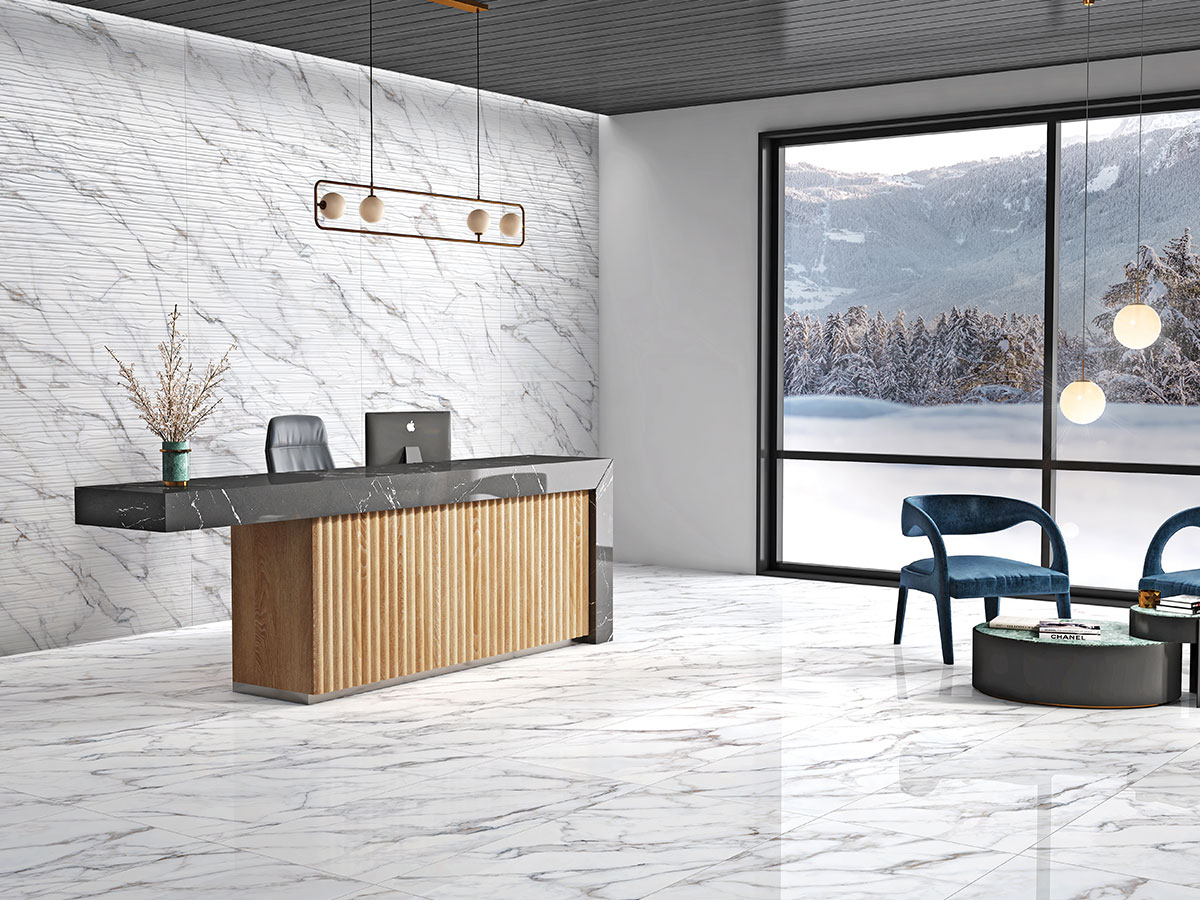
Marble flooring is a natural stone material known for its luxury and timeless appeal. It is formed through the metamorphosis of limestone and is typically available in a variety of colors and patterns.
Key Benefits of Marble Flooring:
Luxury and Aesthetics: Marble adds an element of sophistication and grandeur to any space with its unique patterns and elegance.
Natural Variation: Each marble slab is unique, ensuring no two floors look the same, offering a one-of-a-kind look.
Resale Value: Marble flooring can increase the resale value of a home due to its luxurious appeal.
Related Post : 25 Single Floor House Designs: Best Marble and Tiles Design
Vitrified Tiles vs Marble Flooring: Key Differences
Durability and Maintenance: Despite being stronger than most other flooring materials, marble flooring tends to develop a yellowish hue over time. With proper care and maintenance, marble flooring can last approximately 25 years. However, due to its high porosity, marble is prone to staining and requires immediate cleaning after spills. In contrast, vitrified tiles have minimal porosity, making them highly durable and resistant to regular wear and tear. These tiles are both scratch- and stain-resistant, requiring minimal maintenance. With proper upkeep, vitrified tiles can easily outlast natural marble. However, improper handling can make them susceptible to cracking.
Variation: Being a natural stone, marble flooring often exhibits significant variations across different batches, with noticeable differences between Indian marble and imported marble. These natural inconsistencies add to its unique charm but can pose challenges in achieving a uniform look. On the other hand, vitrified tiles are manufactured under controlled conditions, ensuring consistent quality and minimal variation between batches. This makes them a reliable choice for uniform and seamless flooring.
Affordability: The cost of marble flooring is higher due to the expensive mining and extraction processes involved, which also result in significant material waste. Factors such as grade, veining rarity, and color greatly influence the price of marble. Vitrified tiles, being man-made, are more affordable with minimal production waste. Their cost is primarily determined by the design, veining, and overall aesthetics of the tiles, making them a budget-friendly alternative to marble.
Installation: Installing marble flooring is a time-consuming and labor-intensive process. In addition to laying the marble slabs, polishing and finishing further extend the installation timeline. In contrast, vitrified tiles can be installed in just a few days. Their simpler setup process allows for immediate usability, making them a convenient choice for quick flooring installations.
Utility: Due to its slippery nature and susceptibility to staining, marble flooring is not ideal for wet areas such as kitchens and bathrooms. Additionally, exposure to the elements can deteriorate its appearance and texture, making it impractical for outdoor spaces. Vitrified tiles, being less porous and more durable, are better suited for areas prone to moisture and can even be used in outdoor spaces without significant wear and tear.
Practical Applications: Room-by-Room Guidance
Choosing the right material often depends on the specific room and its functional requirements.
- Living Rooms: Both are excellent choices. Marble offers a grand feel, while vitrified tiles provide a modern, high-gloss look with easier upkeep.
- Kitchens: Vitrified tiles are technically superior in culinary environments as they are resistant to acidic spills like lemon or vinegar, which can "etch" or permanently damage marble.
- Bathrooms: Vitrified tiles with anti-skid finishes are safer and more functional for high-moisture zones due to their low water absorption rates.
- Outdoor Areas: Vitrified tiles are generally more suitable for outdoors due to their resistance to weathering and availability in matte, slip-resistant textures.
Comparison: Marble Flooring vs Vitrified Tiles
|
Feature |
Marble Flooring |
Vitrified Tiles |
|
Composition |
Natural Stone (Metamorphic) |
Engineered (Man-made) |
|
Porosity |
High (Requires Sealing) |
Very Low (< 0.5%) |
|
Installation Time |
Long (Includes On-site Polishing) |
Short (Pre-finished) |
|
Maintenance |
High (Periodic Polishing) |
Low (Standard Cleaning) |
|
Stain Resistance |
Prone to Etching/Acidic Stains |
Highly Resistant |
|
Surface Hardness |
Softer (Prone to Scratches) |
Very High (Scratch Resistant) |
Expert Maintenance Tips
To preserve the beauty of your investment, follow these guidelines:
- For Marble: To prevent damage, marble should be sealed every 1–2 years. Use only stone-specific cleaners and avoid acidic substances like vinegar or citrus.
- For Vitrified Tiles: These require standard cleaning with water and mild detergents. Their non-porous surface prevents stains from setting in, making daily chores simple
Conclusion
When choosing the perfect flooring for your space, Simpolo vitrified tiles emerge as a superior alternative to natural marble. With their exceptional durability, minimal maintenance, wide design range, and cost-effectiveness, they cater to modern flooring needs while ensuring elegance and functionality.
While natural marble offers timeless charm, the advantages of Simpolo Tiles and Bathwaresuch as stain resistance, scratch resistance, and hassle-free installationâ€â€make them the smarter and more practical choice for both homes and offices. Transform your interiors with the style, quality, and reliability of Simpolo vitrified tiles, or explore floor tiles designed to add lasting value and beauty to your space.




 Toll Free: +91 7228922222
 +917433978200
 customercare@simpolo.com
 1800-233-2223