

Wall Hung Toilet Dimensions: Standard Size Guide for Modern Bathrooms
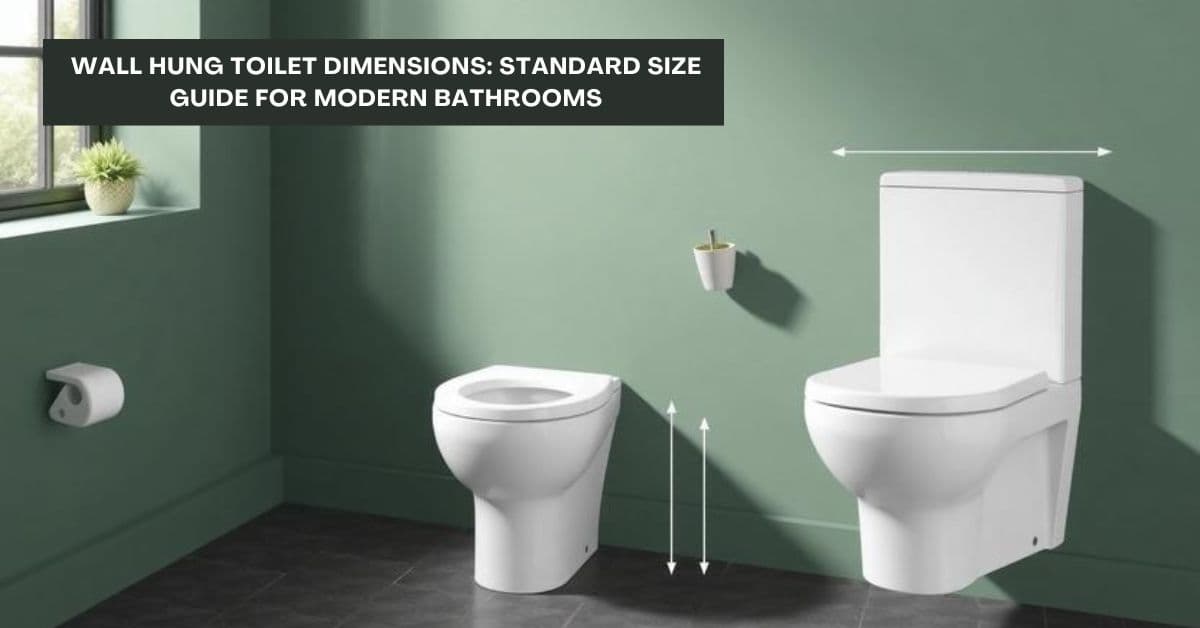
Bathrooms in modern Indian homes are evolving rapidly, yet space constraints remain a persistent challenge. Urban apartments and compact layouts often struggle to accommodate traditional floor-mounted toilets without making the bathroom feel cramped or difficult to maintain. Cleaning around the base, managing visible plumbing, and planning efficient layouts become everyday concerns. Wall-hung toilets address these issues by freeing up floor space, improving hygiene, and offering a cleaner visual profile. However, the success of a wall-hung WC installation depends largely on correct planning. Understanding wall-hung toilet dimensions early in the design stage helps ensure comfort, safety, and long-term usability while creating bathrooms that feel open, organised, and modern.
Standard Wall-Hung Toilet Dimensions
Wall-hung toilets are designed around standardised measurements that suit most residential and commercial bathrooms. Unlike floor-mounted models, these toilets are fixed to a concealed metal frame and cistern hidden behind the wall, making precise dimension planning essential.
The key elements to consider include bowl height, overall depth, width, rough-in distance, and concealed cistern depth. These measurements directly affect seating comfort, weight distribution, and compatibility with wall thickness and plumbing layouts.
Typical wall-hung toilet dimensions range
|
Dimension Type |
Standard Range |
|
Bowl height from the floor |
400 to 430 mm |
|
Overall depth |
520 to 580 mm |
|
Width |
340 to 380 mm |
|
Rough-in distance |
180 to 230 mm |
|
Concealed cistern depth |
150 to 200 mm |
The bowl height is generally designed to provide ergonomic comfort for most users. Depth and width ensure stability and ease of use without occupying excessive space. Concealed cistern depth is significant in Indian bathrooms, as wall thickness and false wall construction must accommodate it comfortably.
These standard wall-hung WC sizes work well for both new constructions and renovation projects when planned correctly.
Also Read: Modern Toilet Seat Designs for Stylish Bathroom Interiors
How to Measure for a Wall-Hung Toilet Installation?
Accurate measurement is critical for a safe and trouble-free installation. Measuring wall-hung WC installations involves more than checking floor space.
- Measure the available wall width and confirm there is adequate clearance on both sides for comfortable use.
- Check the depth from the finished wall surface to ensure the toilet bowl does not obstruct doors, shower areas, or vanity units.
- Determine the desired seat height from the finished floor, keeping standard ergonomic guidelines and user comfort in mind.
- Assess wall strength carefully. Wall-hung toilets require either a load-bearing wall or a certified metal support frame capable of safely supporting the load.
- Verify plumbing points and rough-in distances to match the selected toilet model specifications.
Proper measurement at this stage prevents installation errors and ensures long-term structural reliability.
Variations in Wall-Hung WC Sizes and Styles
Wall-hung WC size options vary to suit different bathroom layouts and user preferences. Compact wall-hung toilets are designed for small bathrooms, offering reduced depth while maintaining comfort and functionality. These models are instrumental in apartments where space efficiency is critical.
Elongated bowl designs provide additional seating comfort and are often preferred in larger bathrooms or premium residential spaces. Bright wall-hung toilets, which may include sensor-based flushing or bidet features, usually require additional space behind the wall for electronic components and access panels.
Selecting the right wall-hung toilet type depends on available space, usage requirements, and overall bathroom design.
Also Read: Wall Mounted Toilets for Modern and Compact Bathrooms
Benefits of Choosing Wall-Hung Toilets for Indian Bathrooms
Wall-hung toilets offer several advantages that align well with Indian bathroom requirements.
- Efficient use of space, making small bathrooms feel more open
- Easier floor cleaning due to the floating design
- Adjustable installation height for customised comfort
- Concealed plumbing for a cleaner and more organised appearance
- Improved hygiene by reducing dust and moisture accumulation
These benefits make wall-hung toilets suitable for urban homes, hotels, offices, and premium residential projects across India.
Popular Wall-Hung Toilet Brands and Models in India
When reviewing wall-hung toilet brands in India, buyers often prioritise durability, service support, and compatibility with local bathroom layouts. Brands such as Roca and Kohler offer a wide range of wall-hung WC models with standardised dimensions and refined finishes.
At the design coordination stage, Simpolo Tiles & Bathware becomes relevant for projects where sanitaryware placement must align precisely with tiled wall systems. Correct dimensioning allows wall-hung toilets to integrate seamlessly with tiled surfaces, ensuring clean junctions, concealed cistern alignment, and a visually cohesive bathroom layout.
Maintenance Tips for Wall-Hung Toilets
Wall-hung toilet maintenance is straightforward when done regularly.
- Clean the bowl and underside frequently to prevent stains and mineral build-up.
- Use non-abrasive cleaners to protect ceramic and glaze finishes.
- Periodically inspect the concealed cistern access panel for smooth operation.
- Avoid flushing hard objects that could damage internal components.
- Follow manufacturer-recommended cleaning and servicing guidelines.
Routine maintenance helps retain hygiene standards and extends the lifespan of the toilet system.
Also Read: Wall Mounted vs Floor Mounted Toilet
Design Integration with Tiled Bathroom Surfaces
Beyond dimensions and installation, visual integration plays a key role in modern bathrooms. Wall-hung toilets are often paired with full-height tiled walls to conceal frames and cisterns effectively. At this planning stage, Simpolo Tiles & Bathware supports design clarity through wide-size modularity, helping reduce joint lines and maintain an uninterrupted visual flow across bathroom walls. This approach ensures the wall-hung WC appears integrated rather than added later, reinforcing a clean and contemporary bathroom aesthetic.
Conclusion
Choosing the proper wall-hung toilet begins with understanding the correct dimensions and installation requirements. Proper planning ensures comfort, safety, and efficient space utilisation. When the right size, style, and support system are selected and coordinated with tiled surfaces, wall-hung toilets help create bathrooms that feel open, hygienic, and well-structured for everyday use.

 Toll Free: +91 7228922222
 +917433978200
 customercare@simpolo.com
 1800-233-2223