

Wooden Flooring vs Wooden Tiles: Which is Best for Your Home?
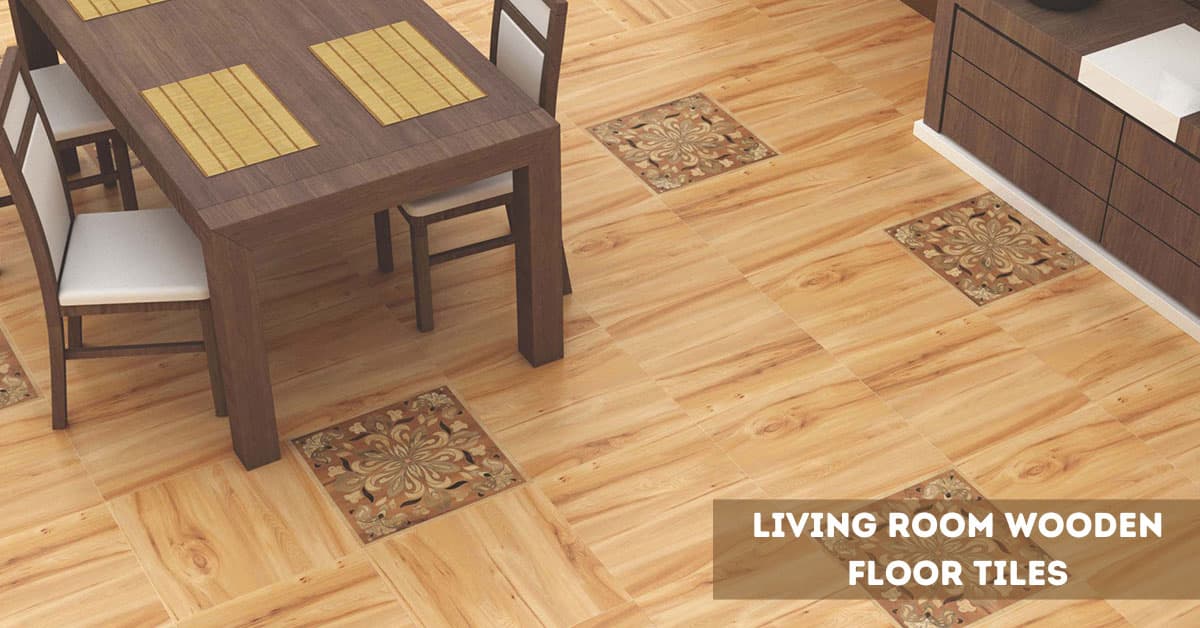
Choosing a floor tile is a crucial decision for your home decor, as it determines what goes on in all of your rooms. It gives the base to your home theme and is functionally important as they see the maximum movement and usage. In this post, we will compare wooden flooring vs wooden tiles as two common options that introduce woods warmth and delight differently. So, lets examine their respective advantages, disadvantages, and appropriate uses so that you can make an intelligent decision that complements both your way of life and home design.
What is Wooden Flooring?
Natural wooden flooring typically refers to solid hardwood or engineered wood planks. Each board is a direct product of nature, offering unique grain patterns, organic textures, and a timeless appeal. As a biological material, it is prized for its warmth but is also known for its responsiveness to the surrounding environment. In the context of tiles vs wood flooring, natural wood is often selected for its prestige and tactile comfort.
Wooden Flooring: Benefits and Challenges
Benefits of Wooden Flooring
A wooden floor is not merely a flooring option; it is instead a durable purchase in terms of your house's looks and worth. Wooden floorboards bring about a classic beauty that is capable of changing the appearance of any room. Here is how it stands out:
- Longevity and Charm: Wooden flooring develops a richer character over time and can last for generations with proper care.
- Boost to Home Value: Installing wooden floors is like adding a luxury brand tag to your home it instantly ups the resale value.
- Aesthetic Flexibility: Whether your home is a canvas for contemporary chic or traditional vibes, wooden floors adapt beautifully.
Challenges of Wooden Flooring
While wooden flooring brings undeniable beauty and value to a home, it comes with its set of challenges that require consideration. These challenges can impact the overall sustainability of wooden flooring in your living environment. Here is what you might face:
- Price Tag: Quality comes at a price. Wooden flooring is an investment for your home aesthetics.
- Maintenance Demands: It requires periodic maintenance and upkeep. Regular sanding and refinishing are part of the deal to keep it looking pristine.
- Moisture Sensitivity: Wood does not react well to moisture—it can warp or swell. So it requires careful planning while installation.
What are Wooden Tiles?
Wooden tiles, or wood-look tiles, are the chameleons of the flooring world. Manufactured from porcelain, the exact appearance of wood is carefully replicated in these wood floor tiles owing to modern manufacturing procedures. They ensure utmost performance in areas under constant use or those locations prone to dampness where using natural woods is not recommended.
Related Read: The Top 5 Benefits of Wood Effect Tiles Over Natural Wood
Wooden Tiles: Benefits and Challenges
Benefits of Wooden Tiles
Wooden tiles merge the beauty and strength of natural wood with the strength of ceramic tiles as an alternative for traditional hardwood floors. They have been designed so that they do not compromise on style even when subjected to pressures associated with busy contemporary life. Here are some standout benefits:
- Durability: These tiles can take a hit and keep looking great. No worries about scratches or dents unlike wooden flooring.
- Low Upkeep: Easy maintenance is the name of the game. A quick sweep or mop keeps them looking fresh, no refinishing required.
- Moisture Resistance: Wooden tiles can withstand humidity, making them ideal for bathrooms, kitchens, and basements.
Challenges of Wooden Tiles
Even though wooden tiles are practical and long-lasting, they come with certain challenges which can make them inappropriate for some homes. Knowing these challenges is important in making sure that the tiles meet your requirements. Here are the things you should consider:
- Comfort Factor: They might look warm, but tiles do not have the natural warmth of real wood. So, the living room tiles for the floor may look earthy and cosy in winters, however will feel cold and hard underfoot.
- Installation: Laying down tiles is an art form. It needs a skilled hand, mainly to ensure they do not crack over time.
Wooden Tiles: Features and Advantages
Wooden tiles, often referred to as wood-look or vitrified wood planks, are high-performance porcelain or ceramic tiles designed to replicate the visual texture of natural timber. Using advanced digital printing and 3D texturing, these wooden vitrified tiles offer the visual warmth of wood combined with the structural integrity of stone. For those weighing the wooden flooring vs wooden tiles pros and cons, the durability of tiles often stands out in high-traffic households.
Key Advantages:
- Extreme Durability: These tiles are resistant to scratches, dents, and heavy foot traffic, making them ideal for high-activity zones in the home.
- Water and Stain Resistance: Unlike natural wood, vitrified wooden tiles feature near-zero water absorption, making them the preferred choice for wooden flooring vs wooden tiles for bathroom applications.
- Thermal Efficiency: They are excellent conductors for underfloor heating and remain comfortably cool in tropical Indian climates.
- Simplified Upkeep: They do not require polishing or waxing; a simple damp mop is sufficient to maintain hygiene and appearance.
Related Post : 12 Modern Wood Kitchen Designs with Stylish Tiles
Tiles vs Wood Flooring
When deciding between tiles vs wood flooring, it is vital to see how their properties compare across key performance metrics.
|
Feature |
Wooden Flooring |
Wooden Tiles |
|
Moisture Resistance |
Low (Avoid in wet areas) |
High (Ideal for all areas) |
|
Scratch Resistance |
Moderate (Prone to furniture marks) |
Very High |
|
Maintenance |
High (Periodic refinishing) |
Low (Regular cleaning) |
|
Climate Suitability |
Better for dry, cold climates |
Versatile for all climates |
|
Installation |
Specialized/High complexity |
Standard technical installation |
|
Termite Resistance |
Vulnerable (Requires treatment) |
100% Termite Proof |
Wooden Flooring vs Wooden Tiles in India
In the Indian market, cost is a major deciding factor. Natural wooden flooring involves a higher upfront cost due to the price of quality timber (like Teak or Oak) and the need for specialized labor. Maintenance costs also accumulate over time due to the need for polishing and refinishing.
In contrast, wooden tiles are generally more affordable and offer better long-term value. The installation is faster, and the lack of professional refinishing needs makes the total cost of ownership significantly lower over a 20-to-30-year period. Simpolo provides a range of vitrified wood planks that achieve this premium look while maintaining cost-efficiency for large-scale residential projects.
Pros and Cons of Wooden Flooring and Wooden Tiles
Wooden Flooring
- Pros: High resale value, natural warmth, unique aesthetic, can be refinished.
- Cons: Expensive, prone to termite issues, susceptible to moisture and warping.
Wooden Tiles
- Pros: Water-proof, fire-resistant, scratch-resistant, easy to maintain, and highly affordable.
- Cons: Hard surface lacks the "give" of wood, requires precision grouting for a seamless look.
Related Post : Top 10+ Wood Floor Texture Tile Designs
Choosing the Right Flooring Based on Room and Climate
By Room: For high-moisture areas like bathrooms and kitchens, tiles are the technical winner. When considering wooden flooring vs wooden tiles for bathroom spaces, vitrified tiles prevent mold and water seepage. For bedrooms, both options work, though bedroom tiles are often preferred for being hypoallergenic and easier to sanitize.
By Climate: In warmer, humid regions of India, wooden tiles help keep indoor temperatures lower and resist humidity-related damage. In colder, high-altitude regions, natural wood provides better natural insulation.
Conclusion
For people who want aesthetic beauty, wooden flooring is recommended as it appreciates ones house value. On the other hand, wooden tiles are preferred in terms of practicality and resilience. The choice between wooden flooring vs wooden tiles is mainly influenced by individual preferences regarding their likes, styles as well as family dynamics. Hope this post helps you make the correct choice!
Related Read: Easy Living Room Decor Ideas to Transform Your Home Fast




 Toll Free: +91 7228922222
 +917433978200
 customercare@simpolo.com
 1800-233-2223