

5 Best Wall Texture Designs for Living Room for 2026
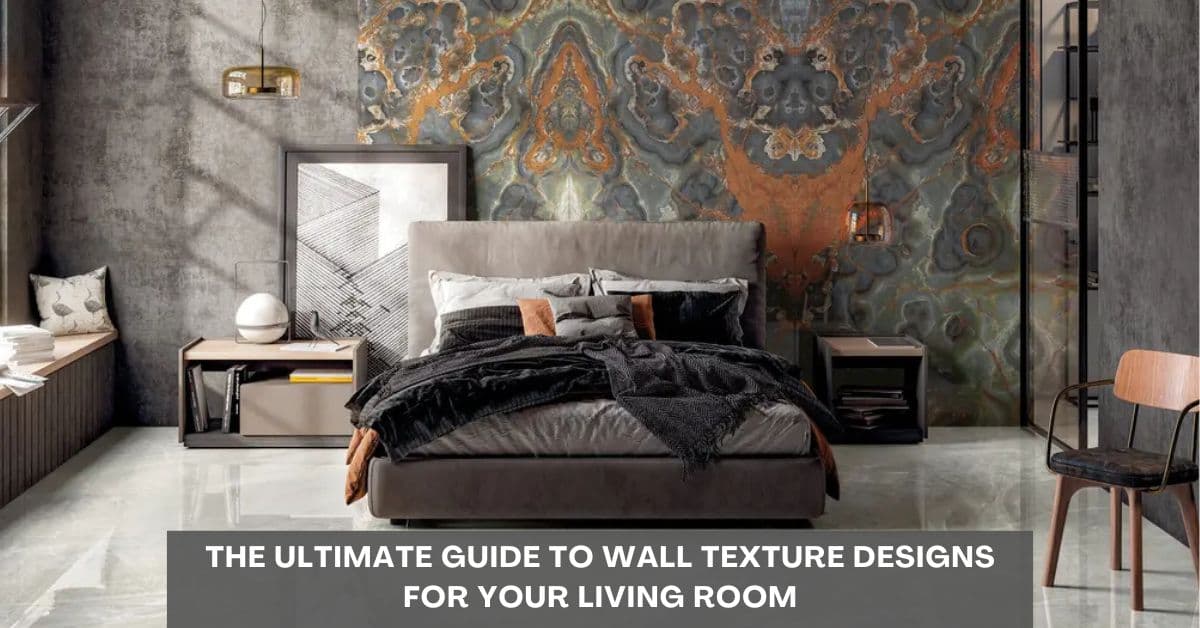
Designing a living room is more than just selecting furniture and décor. The right wall texture design for living room and hall walls plays a crucial role in creating an inviting atmosphere while ensuring durability and ease of maintenance. Wall texture design adds character, depth, and personality to your space, transforming plain walls into captivating features. This comprehensive guide explores wall texture designs for the living room in detail, helping you choose styles that elevate your interiors in 2025.
What Is Wall Texture Design for the Living Room?
Wall texture design refers to the application of various finishes, patterns, and materials on walls to add depth, character, and visual interest. Unlike flat painted walls, textured walls break monotony and create a tactile experience that enhances the room’s ambiance. Wall texture designs for living room and hall spaces are increasingly popular as they add warmth and personality while complementing other interior elements.
Wall textures can range from subtle comb patterns and rustic finishes to intricate tile designs with grooves and 3D effects. They work harmoniously with living room tiles and other interior wall finishes, creating a cohesive and stylish environment. At Simpolo, we believe wall texture design is a subtle yet impactful way to enhance your home’s personality while ensuring high performance and longevity.
5 Wall Texture Designs for Living Room and Hall
There are various types of trending wall texture designs for the living room and hall. They are-
1. Metallic Finishes
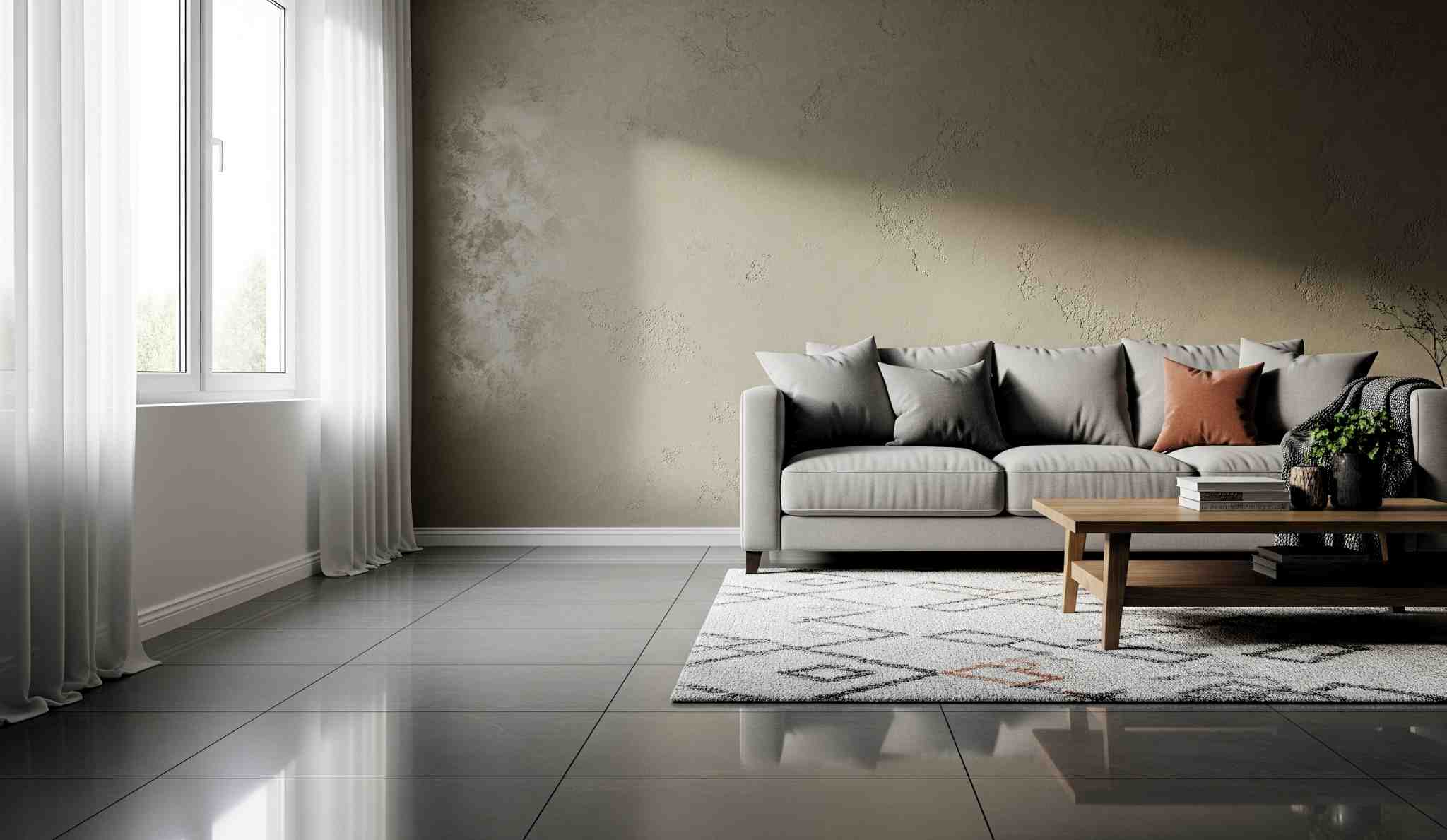
Bring glamour to walls with a metallic finish that reflects light to create a luxurious ambience. The metallic texture includes gold or copper to bold silver and bronze effects that add premiumness to living rooms and halls. They work beautifully on feature walls that complement modern interiors. If you prefer lower maintenance, metallic-finish textured tiles can provide a similar aesthetic with better durability than paint-based metallic textures
2. Concrete Textur
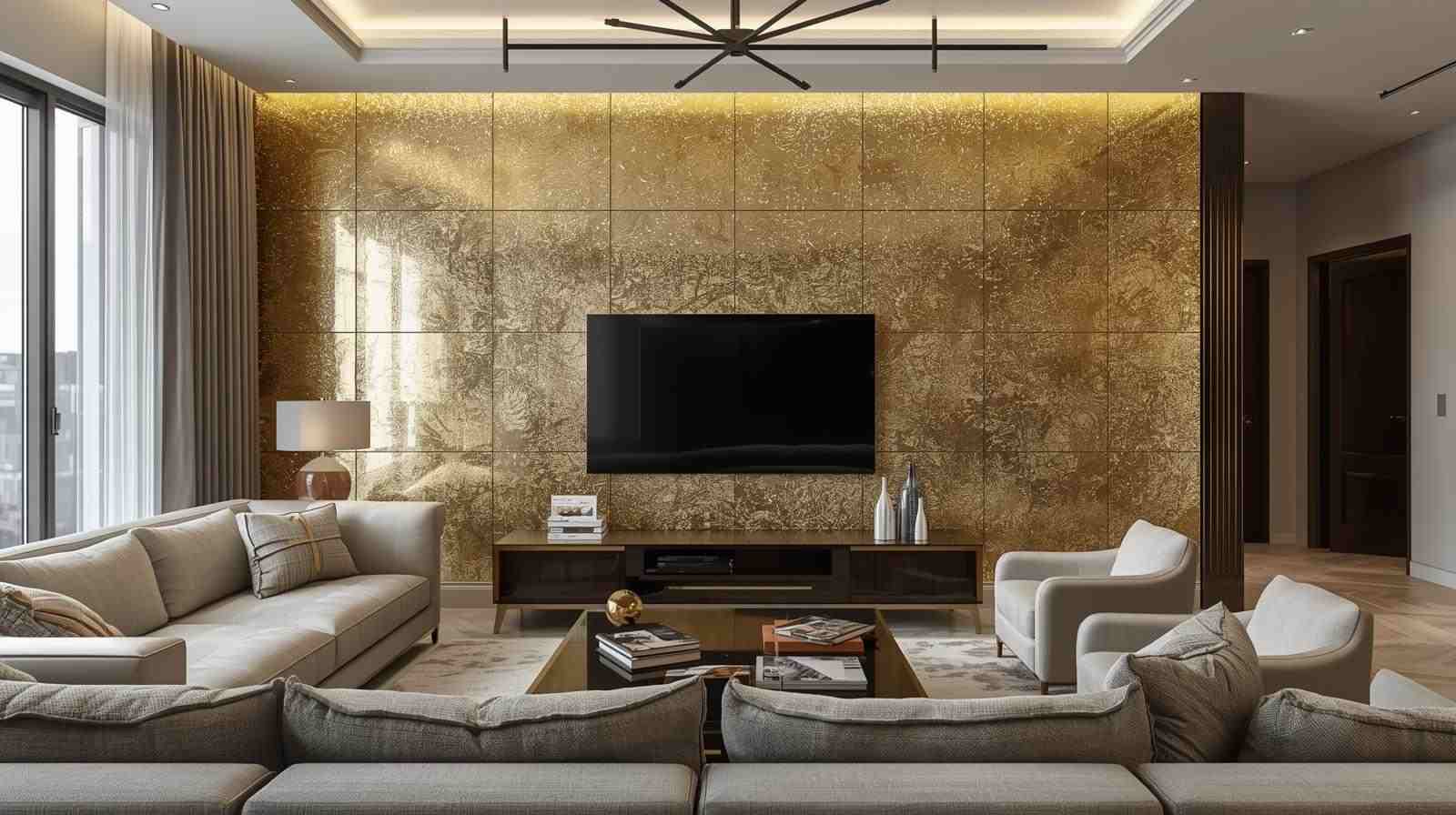
Bring glamour to walls with a metallic finish that reflects light to create a luxurious ambience. The metallic texture includes gold or copper to bold silver and bronze effects that add premiumness to living rooms and halls. They work beautifully on feature walls that complement modern interiors.
2. Concrete Texture:
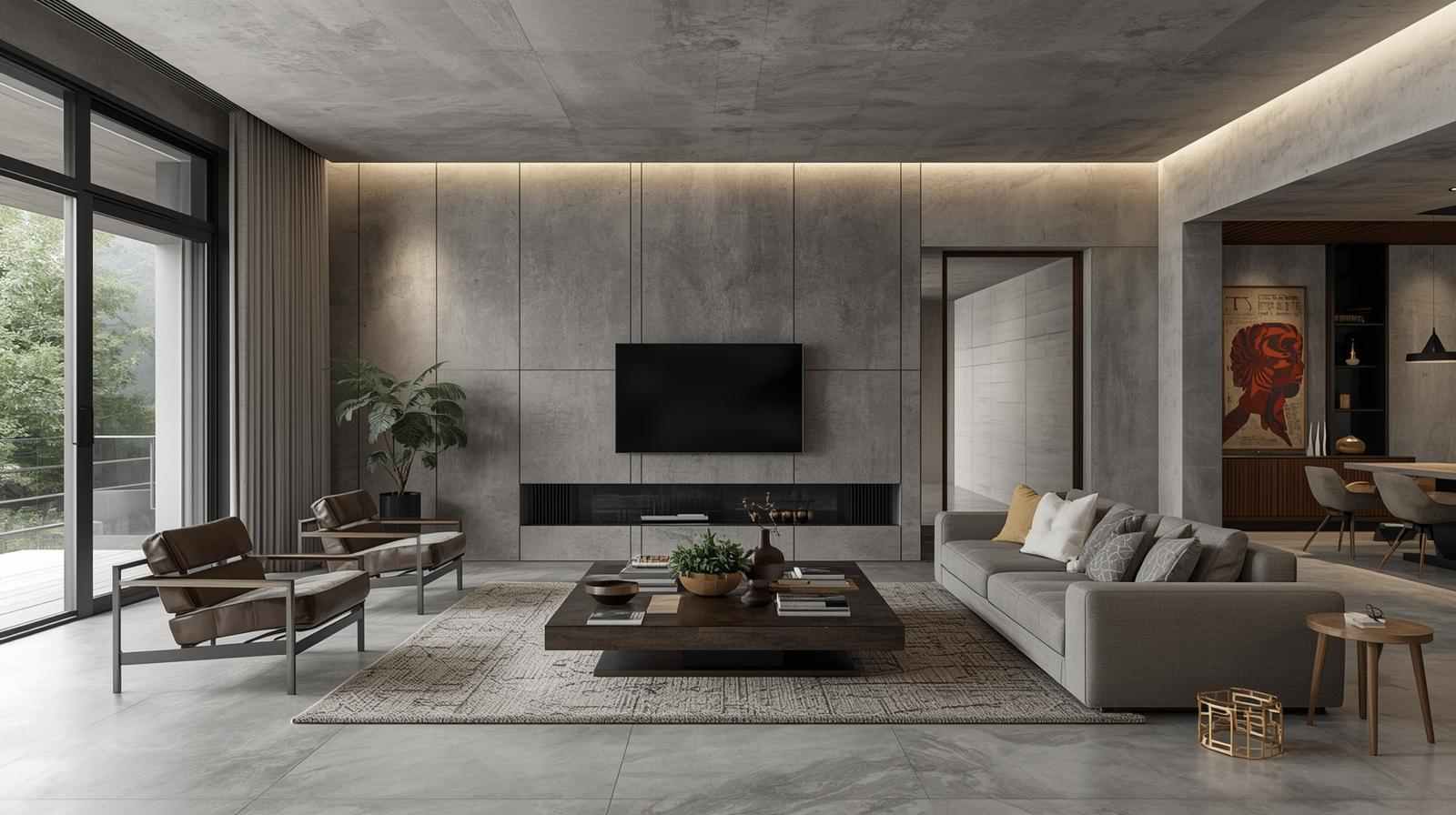
Widely used where strength is a priority, in areas such as the living room and hall. Depending on the type and place of tile you are using, the concrete texture adapts easily.
Concrete-effect tiles are especially useful in high-traffic living rooms because they:
- Resist stains and scratches
- Are easier to maintain than cement-based finishes
- Provide consistent finish without cracking
Related Post : 10+ Modern Home Wall Design Ideas
3. Geometric Patterns:
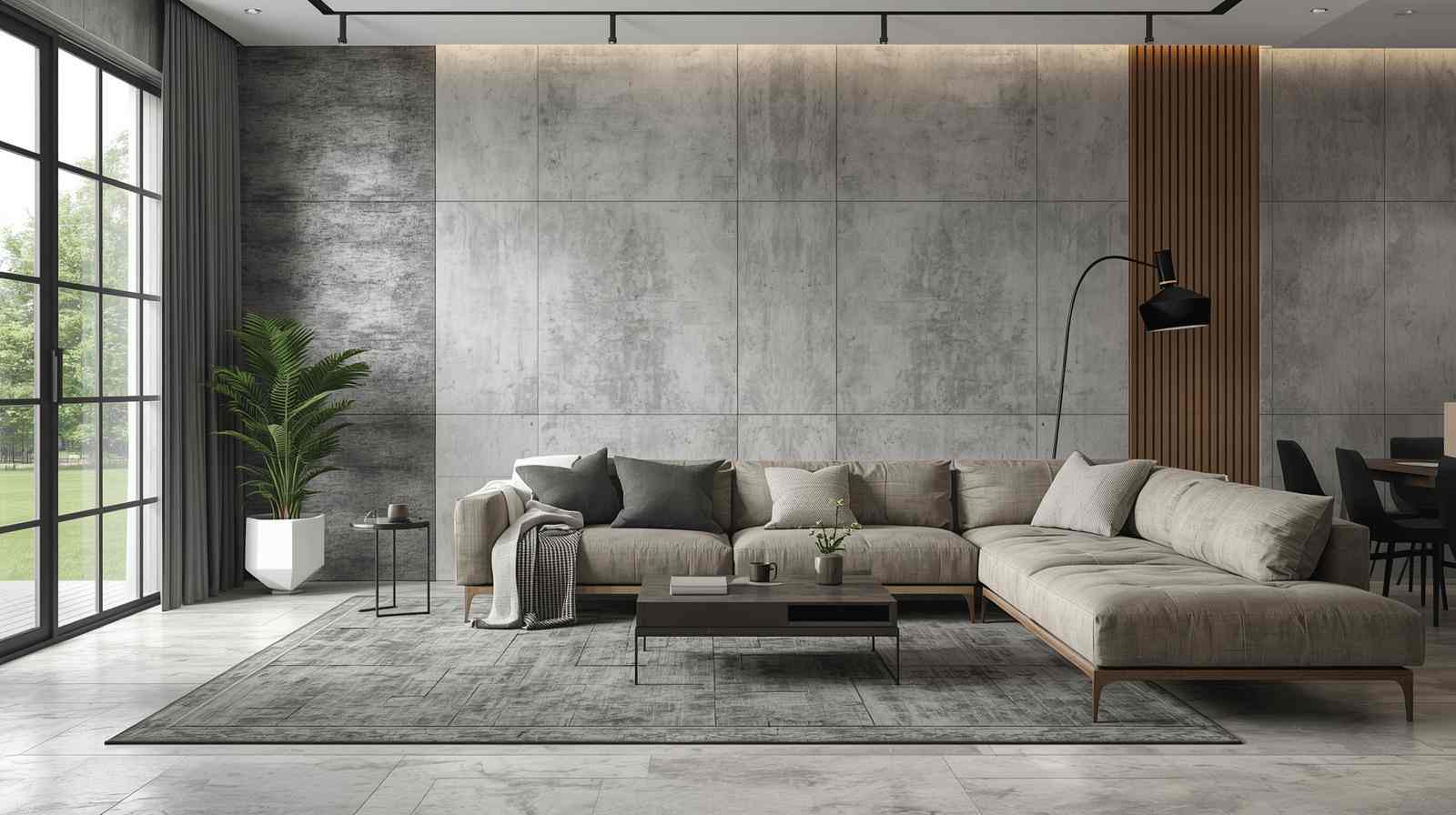
Geometric wall texture designs introduce structure and rhythm through patterns like hexagons, triangles, and linear grids.
3D geometric living room wall tiles can amplify this effect, creating dramatic visual interest without overwhelming the space.
4. 3D Wall Effects:
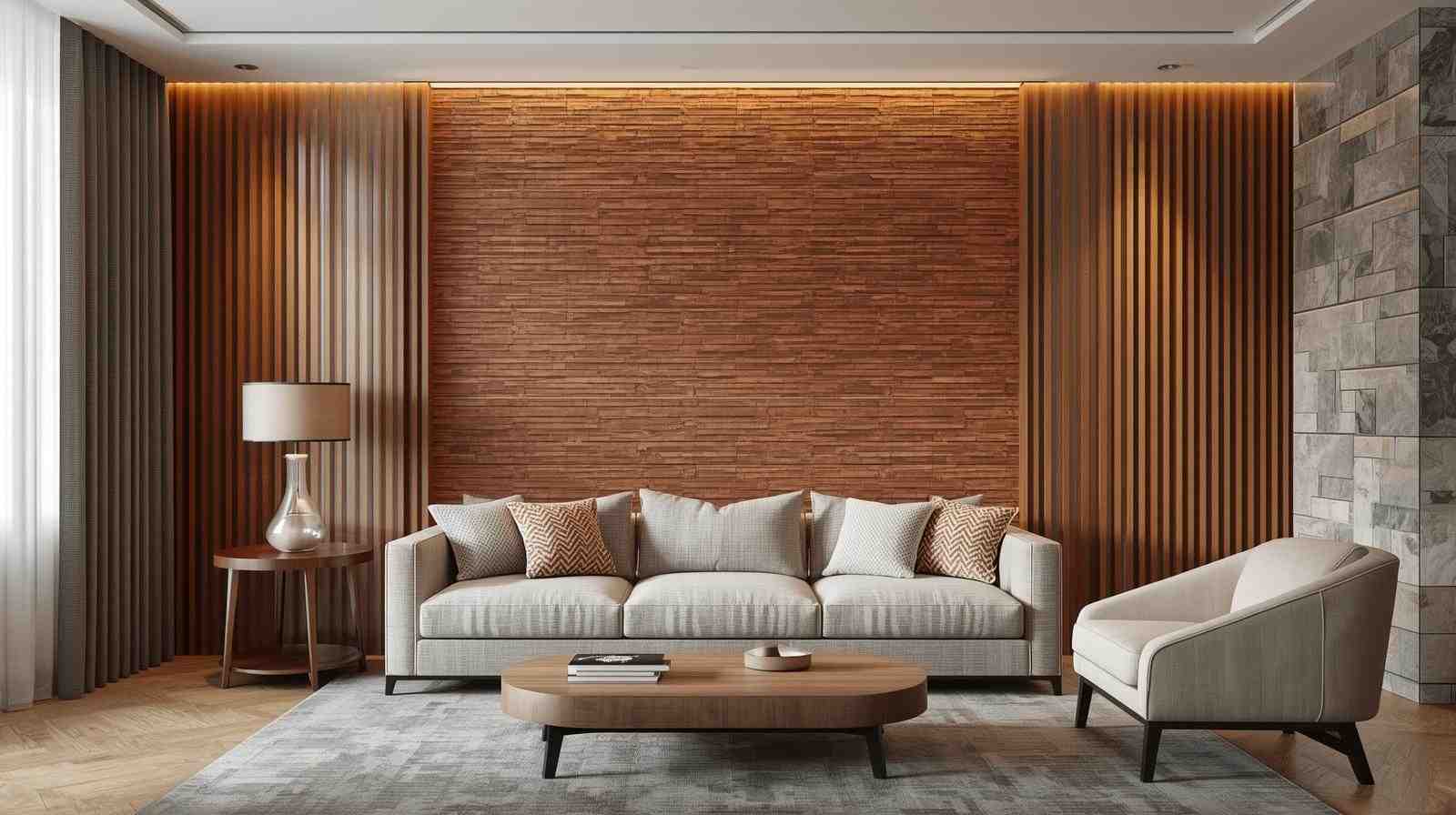
Add dimension and depth to interiors with 3D wall effects. Widely used 3D wall designs include layered bricks, wave-like patterns, and vertical panels that allow walls to stand out from the ordinary wall, offering a dramatic and subtle effect depending on the colour palette and pattern. Also, add strategic lighting to amplify the impact of the 3D texture.
5. Minimalistic Texture:
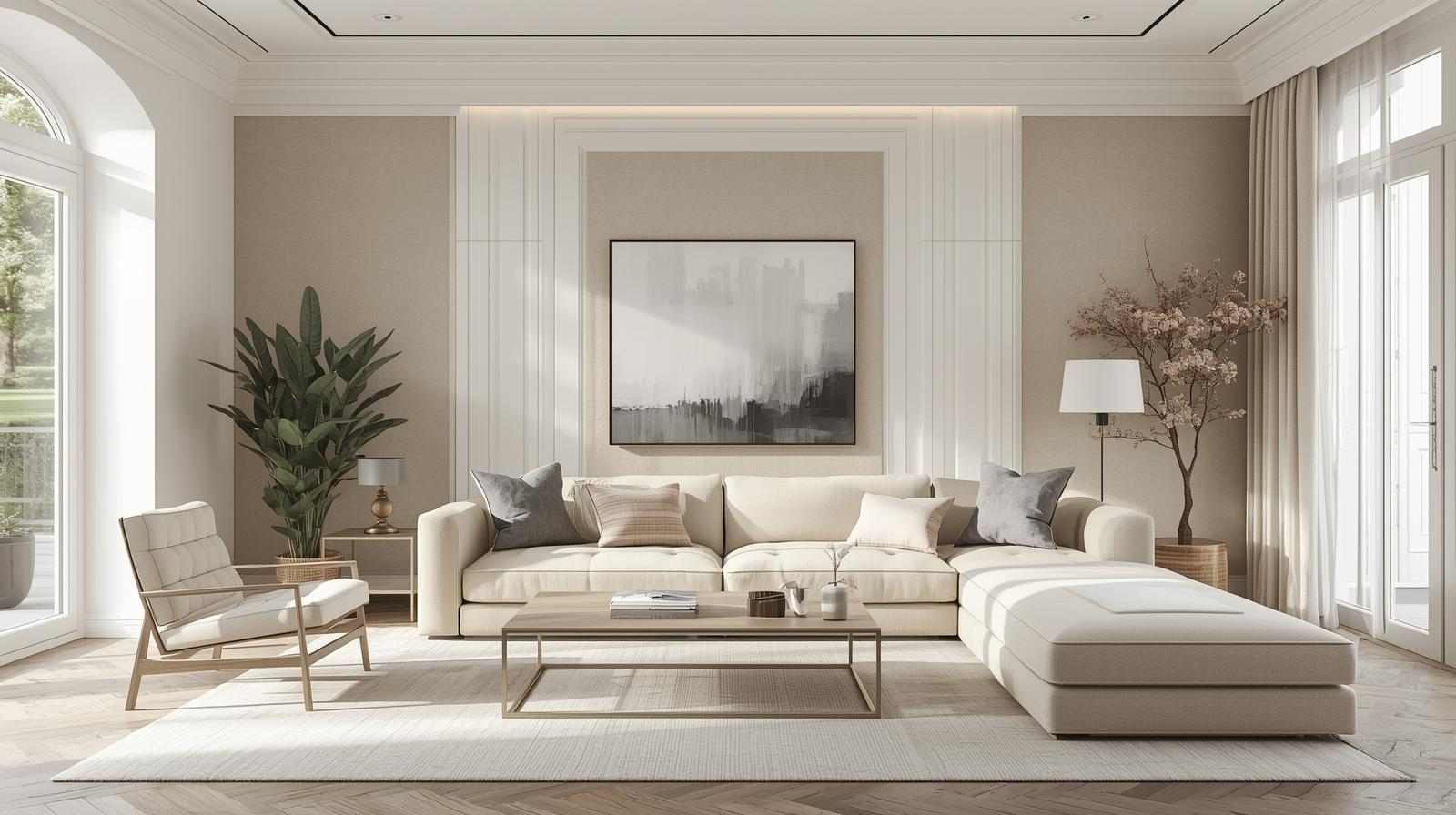
Minimalistic wall texture design focuses on subtle strokes and soft finishes in neutral palettes. This style complements Scandinavian and modern interiors.
For homeowners seeking durability with minimal maintenance, lightly textured matte wall tiles provide a refined finish while ensuring long-term performance.
Related Post : 12 Creative Wall Design for Hall & Living Room
How to Pick the Best Wall Texture Design?
Selecting the right wall texture design for your living room involves considering style, functionality, and existing décor. Follow these steps:
- Identify Your Style: Determine if your preference is modern, rustic, minimalist, or eclectic. Smooth finishes suit modern spaces, while rustic textures like wood or stone fit traditional themes.
- Consider Functionality: For high-traffic living rooms, choose durable and easy-to-maintain textures such as textured tiles or washable wallpapers. For relaxation spaces, intricate textures that prioritize aesthetics are suitable.
- Assess Existing Elements: Match the wall texture with furniture, flooring, and décor. Balance vibrant furniture with subtle wall textures or vice versa.
- Experiment with Samples: Test different textures using sample swatches or small quantities before finalizing.
- Use Product Collections:
Simpolo’s Supra and Terra Duro collections provide a variety of textures combining design and durability.
Wall Texture Design vs Textured Tiles for Living Room Walls
|
Feature |
Wall Texture Design |
Textured Tiles |
|---|---|---|
|
Durability |
May require frequent maintenance and repainting |
Highly durable, resistant to scratches and stains |
|
Moisture Resistance |
Prone to peeling or damage in damp areas |
Good moisture resistance; easy to clean |
|
Maintenance |
Requires resealing and touch-ups |
Minimal maintenance; simple cleaning routines |
|
Aesthetic Appeal |
Offers varied finishes but less tactile depth |
Provides 3D effects and intricate patterns |
|
Installation Time |
Faster initial application but ongoing upkeep |
Longer installation but long-lasting results |
Textured tiles from Simpolo, such as the Altagloss Range, offer stylish and durable solutions that enhance living room walls with minimal upkeep.
Common Wall Texture Mistakes to Avoid in Your Living Room
- Over-texturing: Avoid applying heavy textures on all walls; limit to one or two feature walls to maintain balance.
- Dust Accumulation: Deep grooves and heavy textures collect dust, unsuitable for homes with children or pets.
- Ignoring Maintenance: Choose textures and materials that suit your cleaning routine; textured tiles are easier to maintain than painted textures.
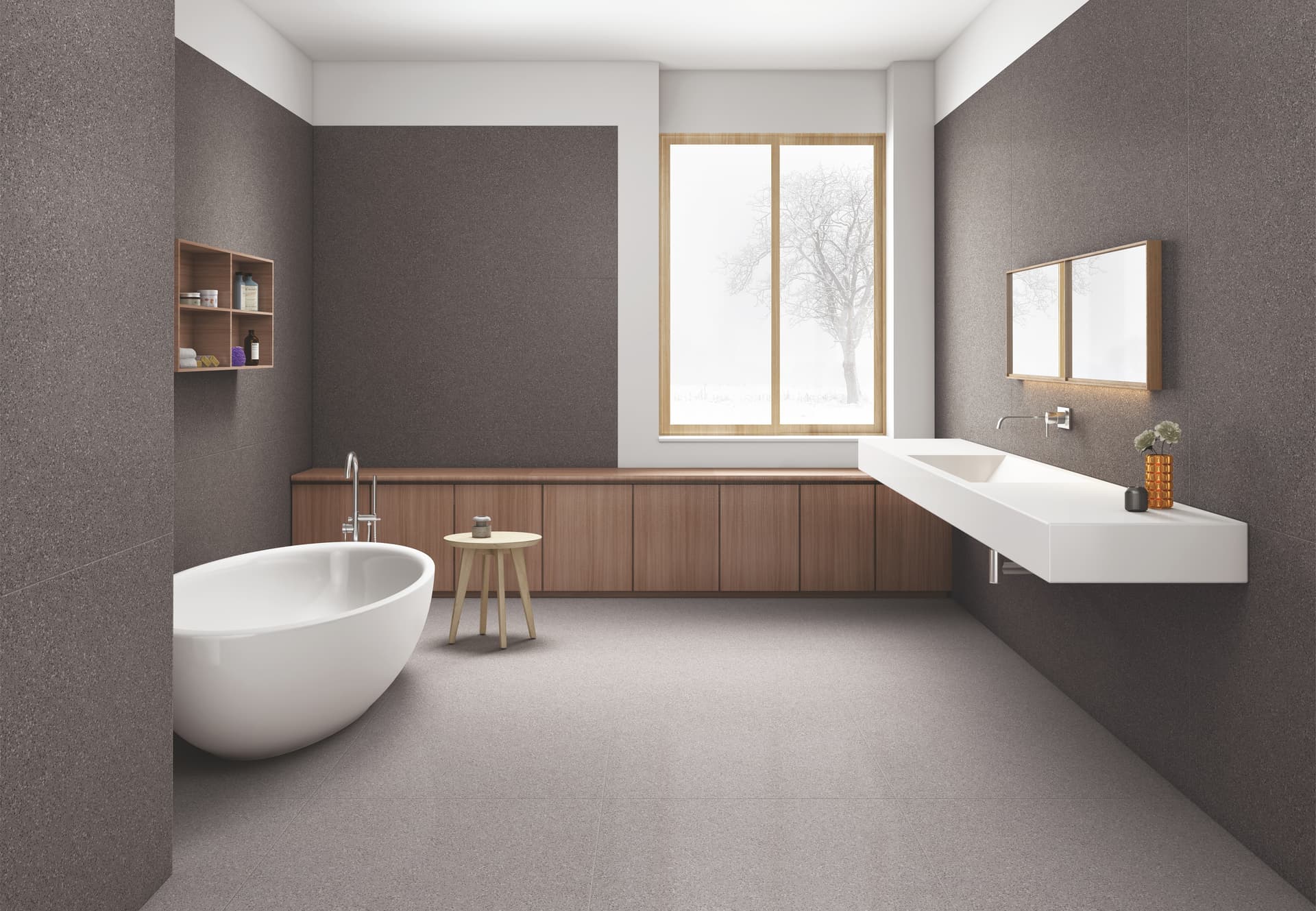
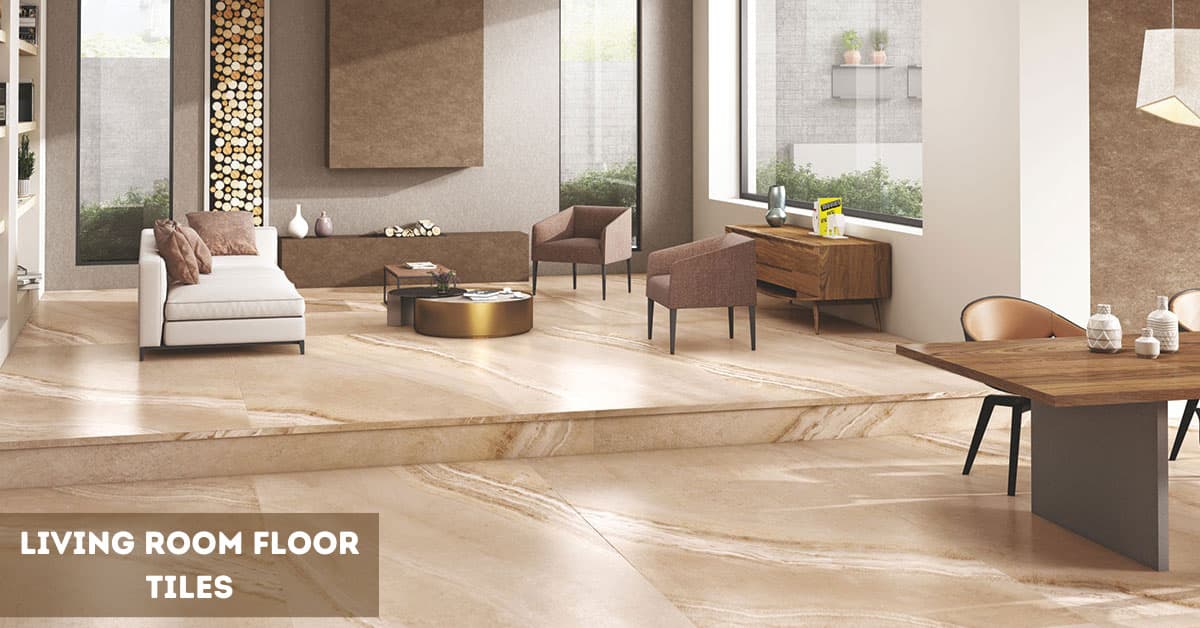
- Mismatch with Flooring: Balance textured walls with simple flooring or vice versa. For example, pair textured walls with glossy Simpolo Altagloss Tiles to enhance openness.
Related Post : 10+ Simple & Wall Showcase Designs for Modern Living Rooms
Maintenance Tips for Wall Texture Designs and Textured Tiles
- Dust textured surfaces regularly with soft cloths or vacuum brushes.
- Use mild soap solutions; avoid harsh chemicals.
- Clean stains promptly with diluted detergent.
- Ensure walls are dry and well-ventilated to prevent moisture damage.
- For textured tiles, routine cleaning with non-abrasive cleaners preserves finish.
Conclusion
Wall texture design is a powerful tool to reflect your living room’s character, whether for hosting or relaxation. Bold patterns like Simpolo’s Fenso Collection suit lively spaces, while refined ranges like Armonia or Impero fit calmer themes.
Coordinate wall textures with flooring choices such as Tiny Tiles for smaller formats or Full Body Vitrified Tiles for consistent designs. Use soft wall colours like Spectra Salt or dusty beige paired with contrasting floors for balanced visual appeal.
For expert advice and to explore Simpolo’s innovative tile collections, contact our tile experts or browse our living room tiles today.

 Toll Free: +91 7228922222
 +917433978200
 customercare@simpolo.com
 1800-233-2223