

Advantages and Disadvantages of Vitrified Tiles: Complete Guide by Simpolo
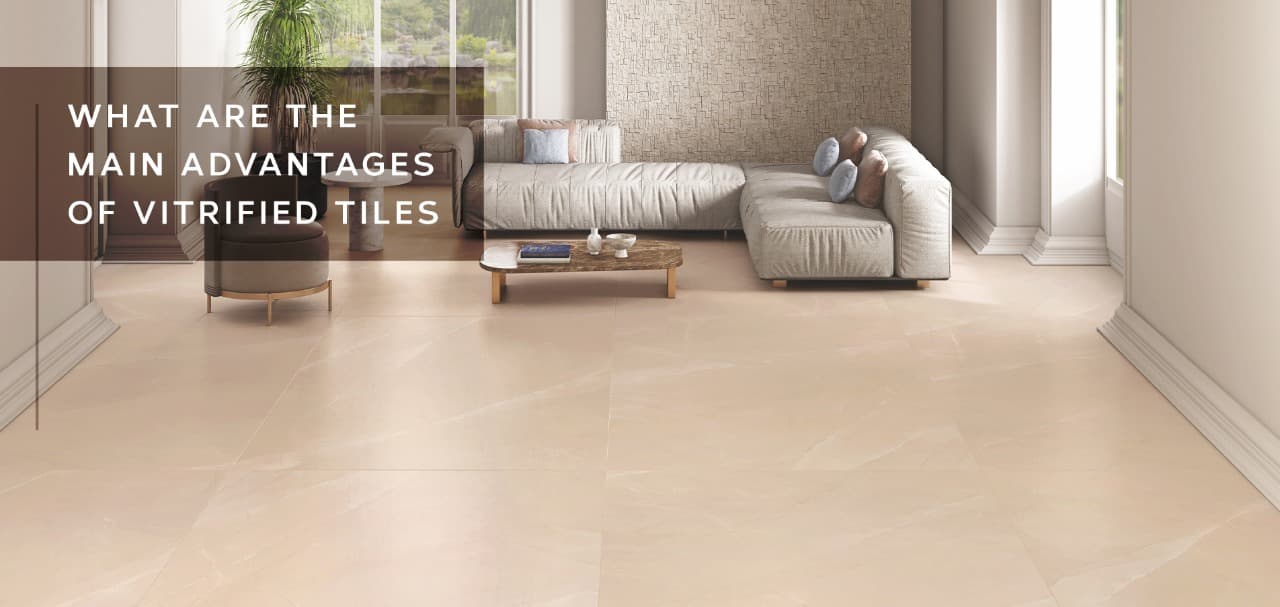
Choosing flooring material for your space requires careful consideration of durability, aesthetics, maintenance, and cost. Vitrified tiles have become a go-to option for both residential and commercial flooring, thanks to their excellent combination of strength, elegance, and ease of care. Simpolo, as a premium tile brand, proudly offers a wide collection of advanced vitrified tiles engineered for superior performance and style.
In this comprehensive guide, we’ll explore the advantages and disadvantages of vitrified tiles, delve into their types, applications, maintenance tips, and comparisons with other flooring options, empowering you to make an informed choice that suits your needs perfectly.
Advantages of Vitrified Tiles for Flooring
Vitrified tiles stand out because of their remarkable properties that combine functionality with design versatility. Here are the key advantages that make vitrified tiles an excellent flooring solution:
1. Exceptional Durability and Strength
Manufactured through the vitrification process using a mix of quartz, feldspar, and clay fired at high temperatures, vitrified tiles are extremely hard and dense. This high mechanical strength gives them exceptional resistance to scratching, chipping, and wear, making them perfect for high-traffic zones such as commercial establishments, kitchens, and hallways.
2. Low Water Absorption (Water Resistance)
One of the most significant benefits is their very low porosity, which minimizes water absorption (less than 0.05%). This feature makes vitrified tiles highly resistant to moisture, mold, and mildew—an ideal choice for bathrooms, kitchens, and even outdoor areas when using anti-skid variants.
3. Wide Range of Designs and Finishes
Modern vitrified tiles come in a plethora of finishes—matte, glossy, wood-like, marble-effect, and metallic sheens—allowing you to replicate natural textures without compromising durability. This design versatility means vitrified tiles can seamlessly fit any interior style, from contemporary to classic.
4. Easy Maintenance and Stain Resistance
The non-porous surface ensures that dirt and spills remain on the surface, allowing for simple cleaning with regular sweeping and mopping. Stains from common household substances are unlikely to penetrate, preserving the tile’s appearance over years with minimal effort.
5. Cost-Effectiveness Relative to Quality
While offering aesthetic appeal comparable to natural stones like marble or granite, vitrified tiles come at a fraction of the cost—not only in terms of purchase price but also installation and prolonged maintenance savings. This makes them an economically smart flooring choice.
|
Feature |
Benefit |
|---|---|
|
Durability |
Long-lasting resistance to scratches, stains, and heavy foot traffic |
|
Water Resistance |
Ideal for moisture-prone areas like bathrooms and kitchens |
|
Design Variety |
Wide selection to match diverse interior aesthetics |
|
Maintenance |
Simple cleaning routine keeps tiles looking new |
|
Cost |
Provides premium look and durability at an affordable price point |
Disadvantages of Vitrified Tiles
While vitrified tiles offer many benefits, it is also important to consider their limitations to ensure the material fits your unique requirements:
1. Slippery Surface When Wet
Standard vitrified tiles, especially those with glossy finishes, can become slippery in wet conditions, posing a safety hazard. This is critical for bathrooms, kitchens, and outdoor spaces during rainy seasons. Opting for anti-skid vitrified tiles or textured finishes helps mitigate this risk effectively.
2. Installation Requires Skilled Professionals
The installation of vitrified tiles demands precision and expertise due to their hardness and weight. Improper laying may result in uneven surfaces, cracking, or poor bonding. The need for professional installation can add to upfront costs.
3. Cold Surface
Vitrified tiles do not retain heat well and tend to feel cold underfoot, especially in cooler climates. This might be uncomfortable in residential areas unless supplemented with underfloor heating or area rugs.
4. Repair and Replacement Challenges
If a tile is damaged, removal involves delicate cutting of grout lines without harming adjacent tiles, which can be difficult and costly. Moreover, exact color and pattern matches may not be available years later, resulting in noticeable patches unless spare tiles are stocked initially.
5. Environmental Impact
The manufacturing process of vitrified tiles consumes significant energy and emits carbon dioxide, making them less eco-friendly compared to some other flooring alternatives. For environmentally conscious projects, this is a consideration to factor in.
Types of Vitrified Tiles
Understanding the different types of vitrified tiles can help you select the perfect one for your project:
1. Full Body Vitrified Tiles
These tiles have a uniform composition where the color and pattern run through the entire thickness, which is why Full Body Vitrified Tiles are highly durable and ideal for heavy-duty commercial use where wear and tear are substantial.
2. Glazed Vitrified Tiles (GVT)
Featuring a glazed surface layer, GVT tiles offer vibrant colors, glossy finishes, and a vast array of patterns. They are popular in residential and commercial interiors for their aesthetic appeal and practical performance.
3. Double Charged Vitrified Tiles (DCVT)
Prepared by charging two layers of pigment during manufacturing, these tiles offer superior durability and richer texture. This advanced process makes Double Charged Vitrified Tiles highly scratch-resistant and ideal for spaces with heavy footfall such as offices, malls, and airports.
4. Soluble Salt Vitrified Tiles (SSVT)
SSVT tiles are economically priced tiles with surface designs achieved through soluble salt process followed by glazing. They are mostly used in residential projects and areas with light to moderate usage.
Applications and Ideal Locations for Vitrified Tiles
Thanks to their durability and design flexibility, vitrified tiles serve a wide variety of applications, including:
- Residential Flooring: Vitrified tiles for residential flooring are ideal for living rooms, bedrooms, kitchens, and bathrooms due to their water resistance, stain resistance, and easy maintenance, making them perfect for everyday home use.
- Commercial Spaces: Vitrified tiles for commercial spaces are perfect for offices, retail stores, hotels, and restaurants where durability, heavy footfall resistance, and long-lasting aesthetics are essential.
- Outdoor Areas: Vitrified tiles for outdoor areas come in specialized anti-skid and weather-resistant variants, making them suitable for balconies, terraces, patios, and walkways while ensuring durability and safety in changing weather conditions.
- Wall Cladding: Vitrified tiles for wall cladding can be used on interior and exterior walls to create seamless decorative surfaces that are moisture-resistant and easy to maintain.
- Swimming Pools: Vitrified tiles for swimming pool areas feature anti-skid and chemical-resistant properties, ensuring safety, hygiene, and long-term durability around wet environments.
- Institutional Buildings: Vitrified tiles for institutional buildings such as schools, hospitals, and airports provide high wear resistance, hygiene-friendly surfaces, and long service life in high-traffic public environments.
Comparison: Vitrified Tiles vs Other Flooring Options
|
Characteristic |
Vitrified Tiles |
Ceramic Tiles |
Natural Stone (Marble/Granite) |
|---|---|---|---|
|
Durability |
High resistance to wear and scratches |
Moderate; prone to chipping |
High but can stain and scratch |
|
Water Absorption |
Very low (less than 0.05%) |
Higher than vitrified tiles |
Variable; marble porous |
|
Maintenance |
Low; easy cleaning, stain resistant |
Moderate; may require sealing |
High; polishing and sealing needed |
|
Slip Resistance |
Standard can be slippery; anti-skid available |
Better slip resistance |
Depends on finish |
|
Cost |
Affordable to mid-range |
Usually cheaper |
Expensive |
|
Design Options |
Wide variety, can mimic stone/wood |
Limited |
Natural variation with unique patterns |
How to Maintain Vitrified Tiles
Maintaining vitrified tiles is straightforward but requires attention to retain their shine and durability:
- Clean regularly using a soft broom or vacuum to remove dust and grit.
- Mop floors with a mild detergent and water solution; avoid harsh chemicals or abrasive scrubbers.
- Wipe spills immediately to prevent stains, although most stains remain on the surface due to low porosity.
- Seal grout lines annually or biannually to prevent mold and dirt buildup.
- Use furniture pads to avoid scratching the surface when moving chairs or tables.
- For anti-skid tiles, clean with non-oily detergents to maintain surface friction.
Conclusion
Vitrified tiles are an excellent choice when looking for durable, stylish, and easy-to-maintain flooring solutions. Their diverse designs and finishes allow customization for virtually any aesthetic, while their strength suits high-traffic residential and commercial spaces. Awareness of potential disadvantages—such as slipperiness and installation demands—helps ensure the right decisions are made for safety and longevity.
Whether you are renovating your home or outfitting a large commercial space, choosing high-quality vitrified tiles from Simpolo guarantees innovation, performance, and elegance that stand the test of time.


 Toll Free: +91 7228922222
 +917433978200
 customercare@simpolo.com
 1800-233-2223