

The durability and maintenance of vitrified tiles
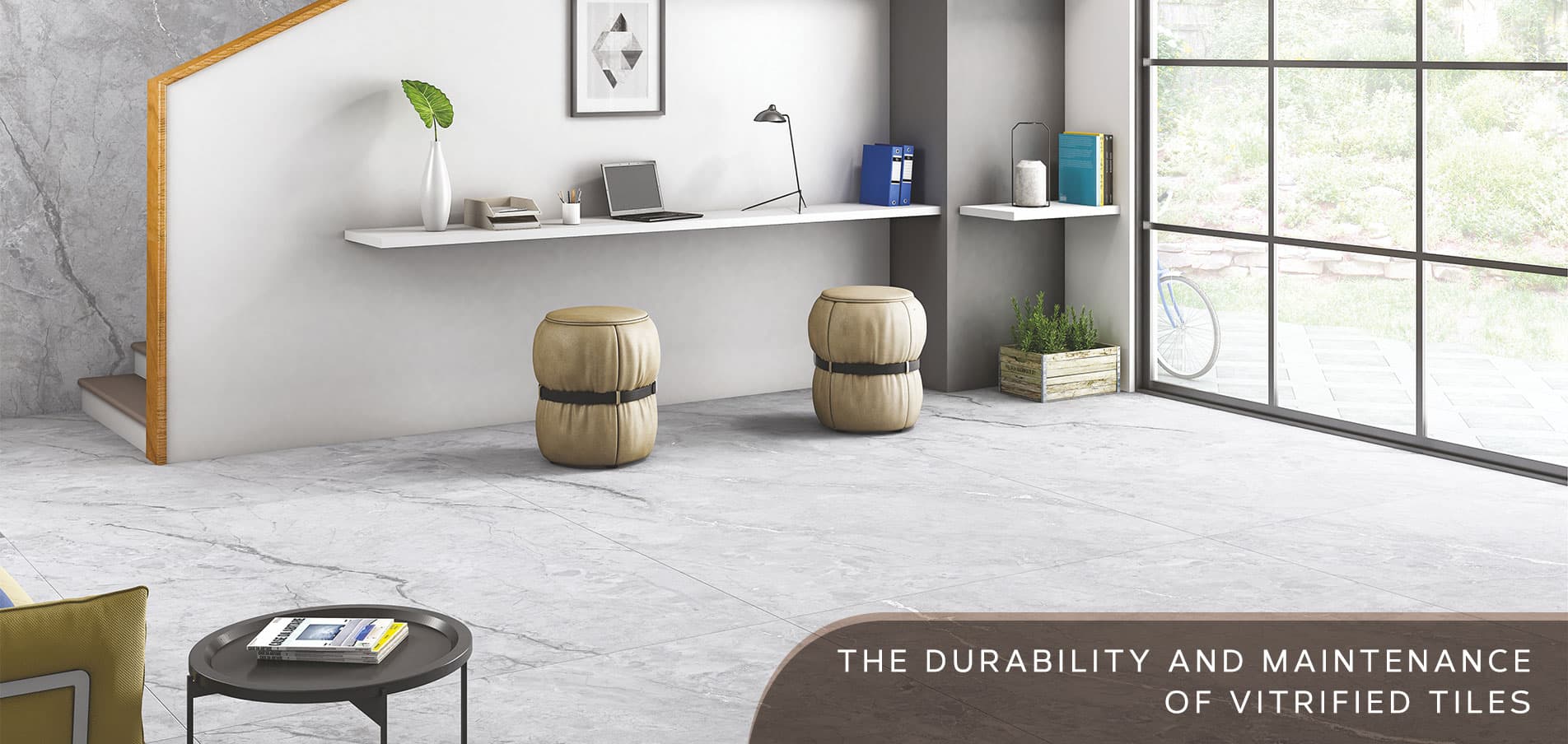
Vitrified tiles durability is what makes these tiles a top choice for both residential and commercial flooring. A vitrified tile is made through an advanced vitrification process that produces a dense, glass-like, and ultra-low porosity surface, resulting in water-resistant and highly durable flooring solutions. Selecting a durable tile such as Simpolo vitrified tiles not only ensures longevity but also offers resistance to stains, scratches, and wear, while requiring minimal maintenance. Whether you seek robust flooring for your busy commercial space or elegant tile solutions for your home, Simpolo offers premium options designed to maintain their beauty for years. This comprehensive guide will provide insights into how to maintain vitrified tiles and what factors contribute to their exceptional durability.
If you need flooring for an indoor space, an outdoor space, or a damp zone, vitrified tiles are the ideal choice. They are created in a way that will allow them to serve you for years without breaking or chipping. They are produced utilizing cutting-edge tile manufacturing techniques, such as hydraulic pressing, and are made of the purest materials, including clay, feldspar, silica, and quartz. For areas like balconies, bathrooms, or entryways where extra grip is important, you can also consider anti-skid tiles that enhance safety without compromising aesthetics. And for feature walls or design-focused spaces, 3D tiles add visual depth and texture, complementing vitrified tile flooring beautifully.
Here is a step-by-step guide to maintaining vitrified tiles:
Maintain Your Tile Floors
- Vacuum high-traffic areas every one to two days, and low-traffic regions living room tiles at least once a week. Weekly wall tile cleaning with a microfiber cloth is recommended. If tiles are not cleaned or dusted often, dirt particles can harm them.
Tips for Effective Tile Cleaning
- Make use of a professional tile cleaner designed specifically for tile. Always remember to dilute concentrated cleaners before using them.
Weekly Tips for Clean Tiles
- Make use of the recommended cleaning solution to wipe the floor tiles once a week. With this combination, clean on the walls tiles.
Clear Water for Clear Tiles: Effective Rinsing Techniques
- To remove the cleaning agent from the tiles, rinse them with clear water. The combination will leave a foggy residue on the tiles if you leave it there, which might damage them.
Stop Water Stains on Tiles
- After washing, dry the tiles with a soft cloth. In this approach, the development of water stains is stopped.
Vinegar and Water for Shiny Floors
- Combine one cup of vinegar with a pail of boiling water for a more thorough cleaning. After that, use a dry, soft mop dipped in the mixture to clean the floor. Before walking on your floor tiles, give them time to completely dry.
Homemade Grout Cleaner: Baking Soda Solution
- Grouts must be properly cleaned before a floor can be considered clean. You may make a solution for cleaning the grout by combining one cup of baking soda with two tablespoons of water. After properly cleaning the grouts, give the mixture 5-7 minutes to dry.
Gentle Care: Maintaining Floor Tiles and Grout Without Damage
- To prevent damaging the floor tiles and grout, avoid using acids and powerful cleaning agents. Use soft fiber cloths as well for cleaning.
Related Read: How to Clean Home Floor Tiles: Easy Tips for a Sparkling Finish
For more tips and information on everything ceramic, you can always rely on Simpolo Ceramics to have your back. Check out our breathtaking collection of tiles at Simpolo or visit the Simpolo showroom nearest to you.
What Makes Vitrified Tiles More Durable Than Other Flooring Options
Vitrified tiles durability exceeds many alternatives due to their manufacturing process and material composition.
- Sintering and Vitrification: High temperature sintering fuses tile particles to form a dense, impermeable structure resistant to mechanical and chemical wear.
- Low Porosity: Absorbing less than 0.05% moisture minimizes water-related degradation, mold, and chemical damage common in other tiles.
- Hard Surface: The glass-like surface formed is resistant to scratches, stains, and fading from UV exposure—unlike natural stone or softer ceramics.
- Full-Body Colour: Unlike surface-glazed tiles, color penetrates the entire tile, reducing visible wear and extending aesthetic life.
- Advanced Raw Materials: Use of high-purity clays, quartz, and feldspar ensures optimal hardness and performance.
Compared to ceramic, porcelain, and natural stone tiles, vitrified tiles offer improved durability, low maintenance, and higher resistance to environmental factors.
Types of Vitrified Tiles and Their Durability Features
Simpolo offers various vitrified tile types catering to different design aesthetics and durability requirements:
- Polished Vitrified Tiles: Glossy finish provides elegance and moderate slip resistance; suitable for dry indoor areas.
- Glazed Vitrified Tiles: A glazed top layer for enhanced aesthetic finish with moderate additional protection; can be used in low-moisture areas.
- Porcelain Vitrified Tiles: Made from finer raw materials and fired at higher temperatures; extremely dense and ideal for heavy traffic and harsh environments.
- Matt Finish Vitrified Tiles: Anti-skid surface for safer flooring in wet areas, while maintaining durability.
- Anti-Skid Vitrified Tiles: Coarse texture specially engineered for balconies, bathrooms, and commercial entrances to prevent slips without sacrificing durability.
Each tile type shares the core vitrification durability principles but is tailored for specific functional and aesthetic needs.
Related Read:Porcelain Tiles vs Vitrified Tiles: Which is Best for Your Space
Common Uses of Durable Vitrified Tiles in Residential and Commercial Spaces
Thanks to their durability and aesthetics, vitrified tiles are preferred for:
- Residential Flooring: Kitchens, living areas, bedrooms, bathrooms, balconies.
- Commercial Flooring: Offices, retail showrooms, malls, restaurants, hospitals, educational institutions.
- Outdoor and Wet Areas: Balconies, terraces, swimming pool decks, commercial cafeterias, and wet zones.
- Feature Walls & Decorative Uses: With 3D tiles and accent varieties complementing flooring.
- High Traffic Areas: Spaces requiring resilient flooring with minimal wear, such as airports, exhibition halls, and lobbies.
How Simpolo Ensures Quality and Consistency in Vitrified Tile Production
Simpolo follows rigorous quality control and manufacturing techniques such as:
- Raw Material Selection: Only premium clays, silicas, feldspar, and quartz are sourced.
- Hydraulic Pressing: High-pressure pressing ensures uniform density and strength.
- Temperature-Controlled Firing: Precision kiln firing ensures proper sintering and vitrification.
- Full-Body Color Mixing: Pigments are mixed thoroughly for consistent shade throughout the tile.
- Inspection and Testing: Every batch undergoes mechanical, chemical, and visual quality tests.
- Innovation: Incorporation of nano-coating for scratch resistance, antibacterial properties, and enhanced slip resistance.
- Sustainability: Energy-efficient kiln technologies and minimal water usage in production.
These measures ensure Simpolo vitrified tiles meet international durability standards with consistent quality.



 Toll Free: +91 7228922222
 +917433978200
 customercare@simpolo.com
 1800-233-2223