

How to Remove Scratches from Tiles: Quick and Affordable Solutions
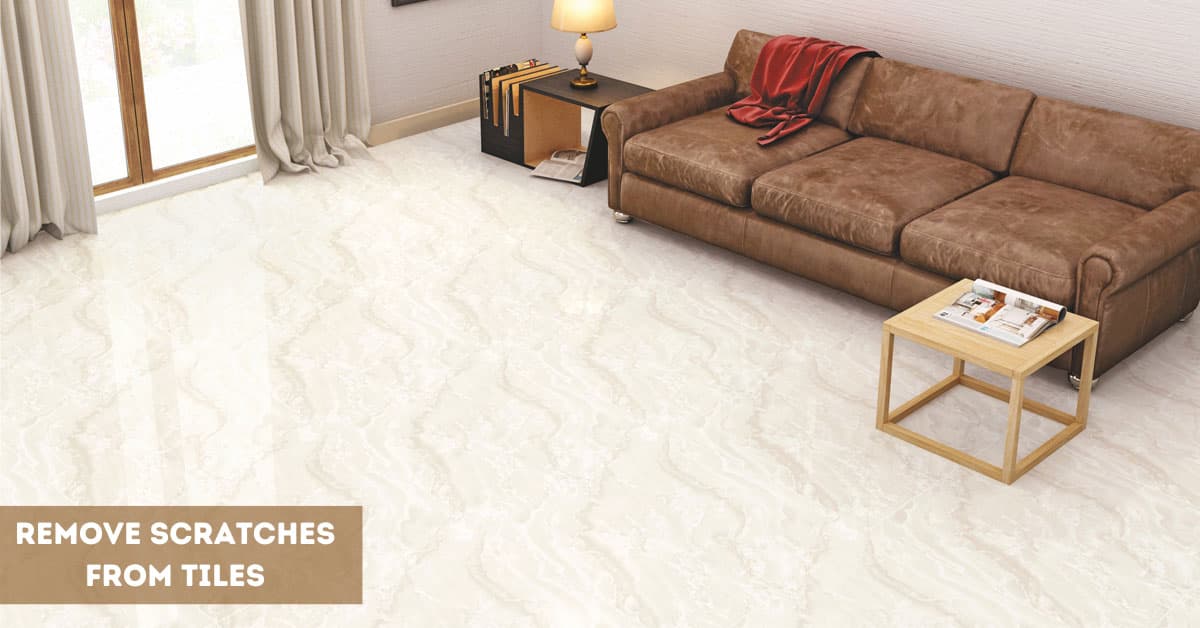
Scratches on the living room floor tiles can detract from the overall appearance of your home or business. While minor scratches may not be a major concern, deeper scratches can be more noticeable and unsightly. Fortunately, several effective DIY methods help remove scratches from tiles and restore their original lustre. In this blog post, we will explore some simple techniques and how to remove scratches from tiles to rejuvenate your surfaces.
Understanding Scratches on Tiles and Their Impact
Scratches on tiles emerge from various causes such as dragged furniture, heavy foot traffic, pet claws, or abrasive debris. Even minor scratches can accumulate dirt and moisture, leading to discoloration and increased wear over time, which compromises both the tile's appearance and longevity. Tiles differ in composition and finish, ranging from ceramic and porcelain to natural stones, each reacting uniquely to scratches. Recognizing the type and severity of scratches is essential to selecting the appropriate repair technique and preventing further damage.
Types of Scratches:
- Light Scratches: Surface level marks generally caused by mild abrasion.
- Moderate Scratches: Slightly deeper than surface scratches but do not penetrate the tile’s glaze.
- Deep Scratches: Penetrate the glaze and base layer, often requiring professional treatment or tile replacement.
Decoding Tile Scratches: Know Your Tile Type
Before you roll up your sleeves and start the scratch removal process from your living room floor tiles, it would be important to understand what you are working with. Tiles are made of different materials, each with its specific care requirements. If you have ceramic tiles from Simpolo Tiles & Bathware, minor scratches are usually an easy fix. These tiles are forgiving and respond well to simple DIY remedies.
However, the approach changes if you are dealing with luxurious stone tiles, also available from Simpolo. Stone is naturally more porous and sensitive, meaning deeper scratches might require more refined techniques. Its not just about knowing that you have a scratch; its about understanding the character of the tile. This insight directly influences the repair method, ensuring you fix the issue and maintain the tiles integrity and appearance.
Knowing your tiles, whether porcelain with a high-gloss finish or stone with a textured surface, can make all the difference in effective scratch management.
Practical DIY Scratch Removal Techniques for Tiles
1. Toothpaste Method for Light Scratches
Non-gel white toothpaste contains mild abrasives that polish out minor scratches effectively.
- Clean the tile surface with a soft cloth to remove dust and dirt.
- Apply a small amount of toothpaste directly onto the scratch.
- Using a soft cloth, gently rub the area in circular motions for a few minutes.
- Wipe off the residue with a damp cloth and dry the tile thoroughly.
This method is best for shallow surface scratches and suitable for vitrified and porcelain tiles.
2. Baking Soda Paste for Surface and Moderate Scratches
Baking soda offers gentle abrasive properties that work well on many tile surfaces.
- Mix baking soda with water to form a thick paste.
- Apply the paste over scratches with a soft cloth or sponge.
- Rub gently in circular motions, allowing the paste to polish the scratch.
- Clean the area with warm water and dry thoroughly.
3. Vinegar and Olive Oil Blend for Moderate Scratches
Vinegar cleans grime, while olive oil conditions and adds shine to tiles.
- Mix equal parts white vinegar and olive oil in a container.
- Apply the mixture using a soft cloth across scratched areas.
- Allow the solution to sit for several minutes.
- Buff the tiles gently with a clean cloth to restore lustre.
Related Post : How to Repair Cracked Tiles: 10 Effective DIY Solutions
4. Wax and Polish for Covering Deeper Scratches
Suitable for concealing tougher surface scratches.
- Apply wax or car polish on the scratched area using a soft cloth.
- Use a clean cloth to polish and buff the surface until smooth and glossy.
- Repeat as necessary to build a protective layer and enhance appearance.
5. Commercial Tile Scratch Repair Kits
These kits often include color-matched fillers for repairing visible scratches and chips.
- Select a repair kit that matches your tile type and color.
- Clean and dry the scratched area.
- Apply the filler according to the manufacturer's instructions.
- Allow the filler to set, then sand or buff if required.
When to Call a Professional for Tile Scratch Repair
Professional help is advisable for:
- Deep scratches or gouges that compromise tile integrity.
- Large surface areas with multiple scratches.
- Delicate or high-value materials like natural stone or marble.
- When DIY methods fail to restore appearance.
Professionals can apply strong fillers, polishing techniques, or install replacement tiles ensuring durable, quality repair.
Polishing Your Tiles
After you have successfully removed the scratch, the next step is to polish your tiles to reintegrate the affected area smoothly with the rest of your flooring. Think of this as the fine art of retouching; just as a photographer perfectly enhances a photo, you will use a gentle polishing compound to buff the tiles back to their original shine. Apply the compound sparingly with a soft cloth, using circular motions to blend the repair seamlessly into the surrounding area. This enhances the aesthetic and protects the surface, ensuring the tiles continue to shine brightly and resist further marks
Preventing Future Scratches
Avoiding future scratches is all about proactive care. Start with simple, everyday changes: place soft pads under furniture legs, regularly trim your pets nails to avoid unwanted scratches, and adopt a strict lifting policy rather than dragging furniture across the room. These small adjustments can significantly extend the life and beauty of your tile flooring. Consider it like choreographing your daily interactions with your space, making sure each step is as gentle as possible to maintain your tiles perfect and new condition.
Related Post : How to Remove Stains from Tiles: Ultimate Cleaning Guide
Choose Tiles With Best Quality
When selecting tiles, consider factors such as durability, stain resistance, and overall aesthetic appeal. Research different tile types and brands to find the perfect fit for your space. When it comes to the best tiles with designs for every home, Simpolo Tiles and Bathware is the best choice to consider.
Simpolo Tiles offers a wide range of high-quality tiles that are designed to be both durable and aesthetically pleasing. Our tiles are crafted with the finest materials and advanced manufacturing techniques, ensuring long-lasting performance and minimal maintenance. Whether you are looking for stylish floor tiles for your home or durable options for commercial spaces, Simpolo Tiles has the perfect solution to meet your needs. Our tiles are resistant to scratches, stains, and fading, ensuring that they maintain their beauty and functionality for years to come.
Also Read: Expert Tips on Cleaning Bathroom Tiles Like a Pro
Why Choose Premium Scratch-Resistant Tiles ?
Opting for premium scratch-resistant tiles offers long-term benefits:
- Enhanced Durability: Better surface hardness resists abrasion and daily wear.
- Superior Finish: High-quality glazes withstand scratches and retain original gloss.
- Easy Maintenance: Less frequent repairs or polishing required.
- Moisture Protection: Ideal for wet areas due to resistance against stains and water damage.
- Design Versatility: Wide range of styles matching modern aesthetics.
Many premium tiles feature advanced coatings and are tested for abrasion resistance (MOHS scale rating). This makes them ideal for high-traffic areas or homes with kids and pets.






 Toll Free: +91 7228922222
 +917433978200
 customercare@simpolo.com
 1800-233-2223