

10+ Open Kitchen Partition Ideas for a Stylish and Functional Space
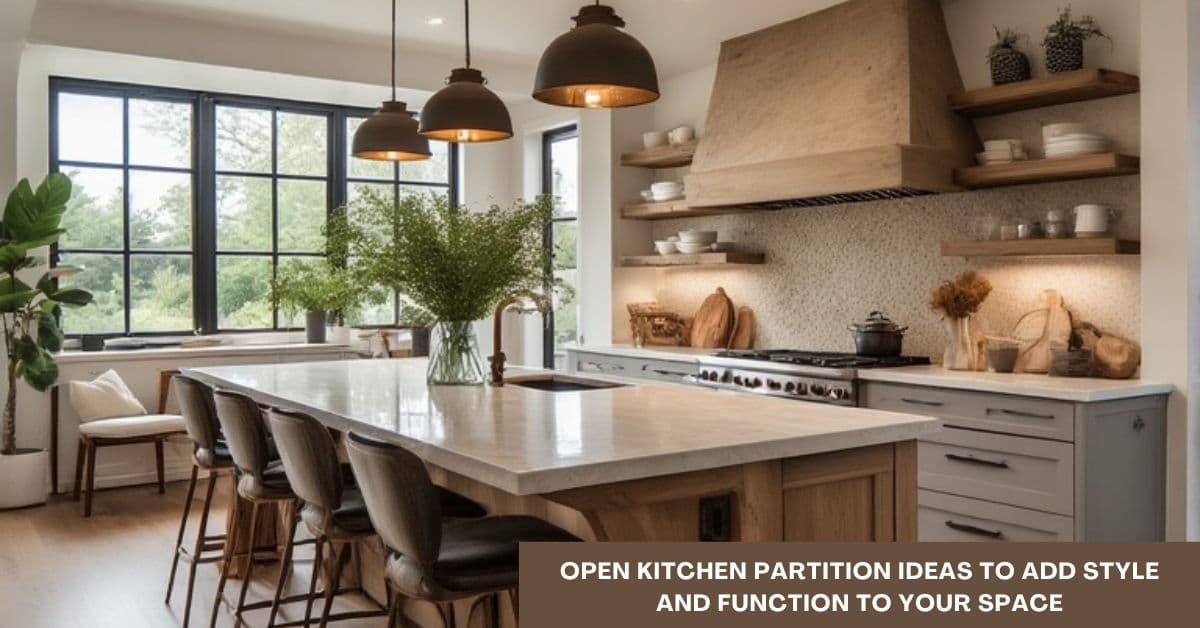
Open kitchens have become a preferred layout in modern Indian homes, especially in apartments and compact floor plans. While openness improves light flow and interaction, it can also create challenges related to zoning, cooking odours, and visual clutter. This is where open kitchen partition ideas become essential. Well-designed partitions help define functional areas without compromising ventilation or openness. When combined with the right materials and tiles, partitions contribute to a kitchen layout that feels organised, modern, and visually cohesive rather than exposed or incomplete.
Top 10 Open Kitchen Partition Ideas
Open kitchen partitions work best when they address both practical needs and interior harmony. The kitchen partition designs below focus on zoning, usability, and how kitchen tile selection can support each design choice.
1. Glass Partitions with Black Metal Frames

Glass partitions framed in black metal offer clear separation while maintaining visual openness. This design suits modern Indian homes that want structure without enclosure. Matt-finish tiles in the kitchen reduce glare and help the partition feel refined rather than industrially harsh.
2. Wooden Slat Partitions
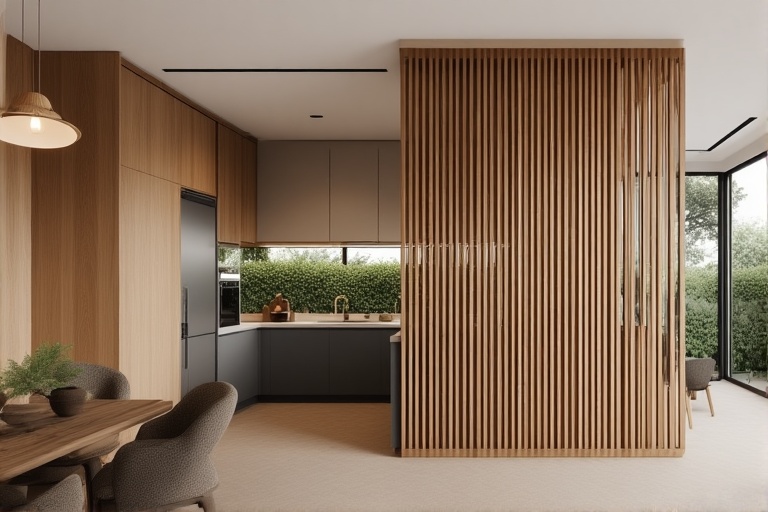
Vertical wooden slats allow airflow while creating subtle separation. This style works well between kitchens and living areas that need partial privacy. Wood-look tiles on the floor help maintain continuity and prevent the space from feeling visually divided.
Related Post :10 Trendy Brown Kitchen Colour Combinations
3. Half Wall Partition with Marble or Tile Finish
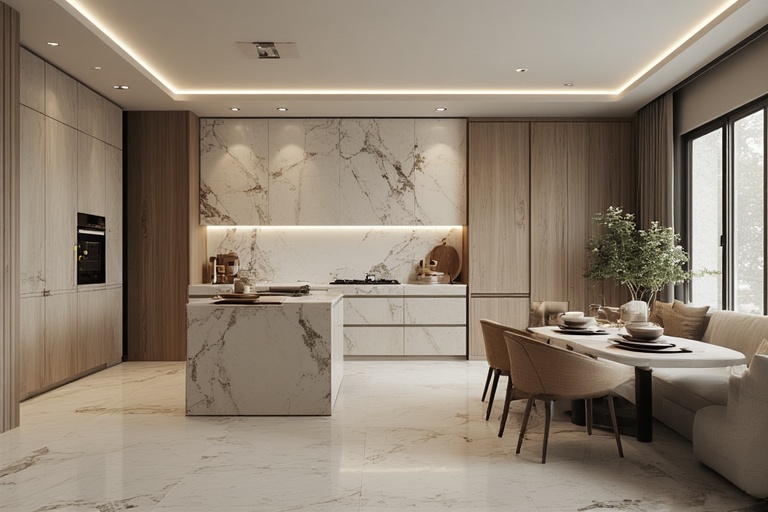
A half-height partition defines zones without blocking light and can double as a serving or breakfast counter. Marble-look tiles by Simpolo Tiles & Bathware are often specified for such partitions due to their stain resistance and uniform surface finish, both of which are important for kitchen-facing applications.
4. Laser-Cut Wooden Screens
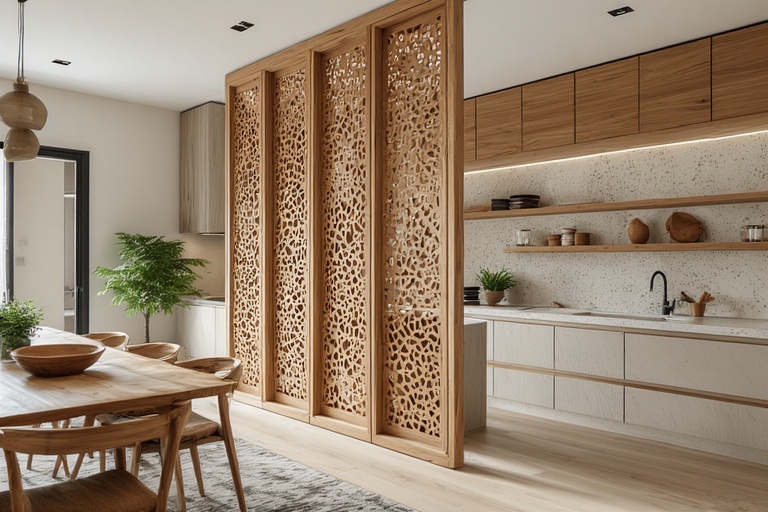
Laser-cut screens add decorative interest while offering semi-privacy. These partitions work best as statement elements. Designer wall tiles with subtle patterns help support the detailing without competing visually.
5. Sliding Glass Panels
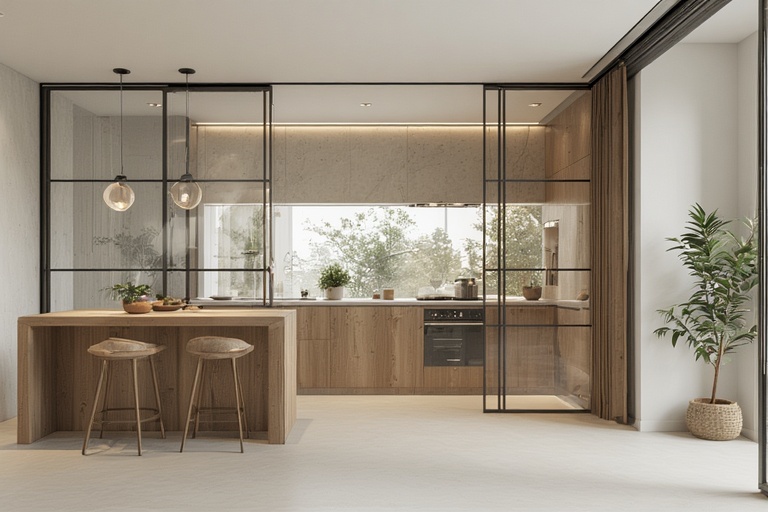
Sliding glass panels suit compact homes that require flexibility. They allow openness during daily use and separation during heavy cooking. Light-coloured tiles such as beige, soft grey, or off-white help maintain brightness even when the panels are closed, while subtle accents in pastel blue or sage green can add a refreshing visual balance.
Related Post :10 Stylish Kitchen Partition Designs Between Living & Dining Room
6. Kitchen Island with Hanging Storage Partition
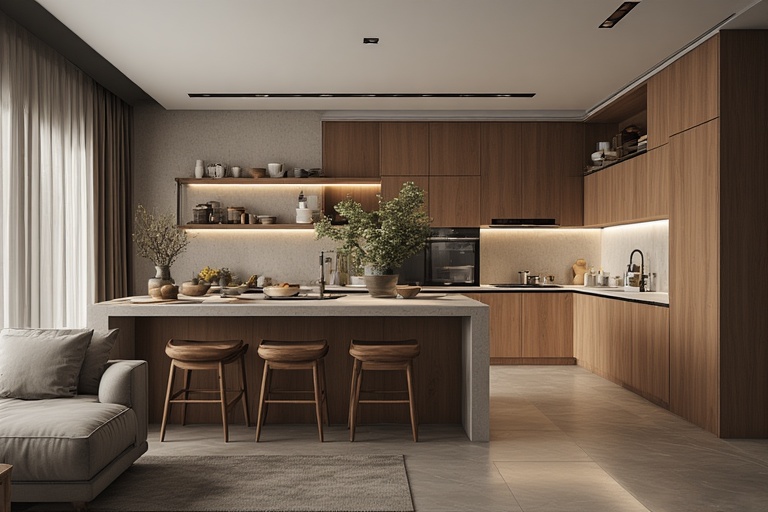
An island combined with overhead storage acts as a functional divider. Continuous flooring across the kitchen and living areas is crucial here. Large-format vitrified tiles by Simpolo Tiles & Bathware are commonly used in island-based layouts to reduce joint lines and maintain uninterrupted visual flow.
7. Bamboo or Natural Material Screens
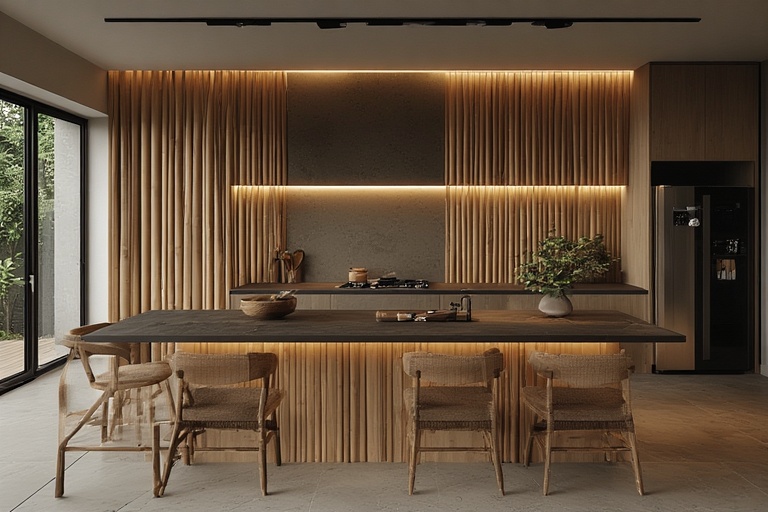
Natural screens introduce texture and warmth. These partitions suit homes that prefer understated zoning. Earth-toned matte tiles balance the organic look and support a calm interior palette.
8. Open Shelving Unit Partition

Open shelving separates spaces while adding storage. It works best when shelving remains uncluttered. Neutral wall tiles behind shelves make cleaning easier and highlight displayed items without distraction.
Related Post :10 Small Simple Kitchen Design Ideas
9. Frosted Glass Partition with LED Lighting
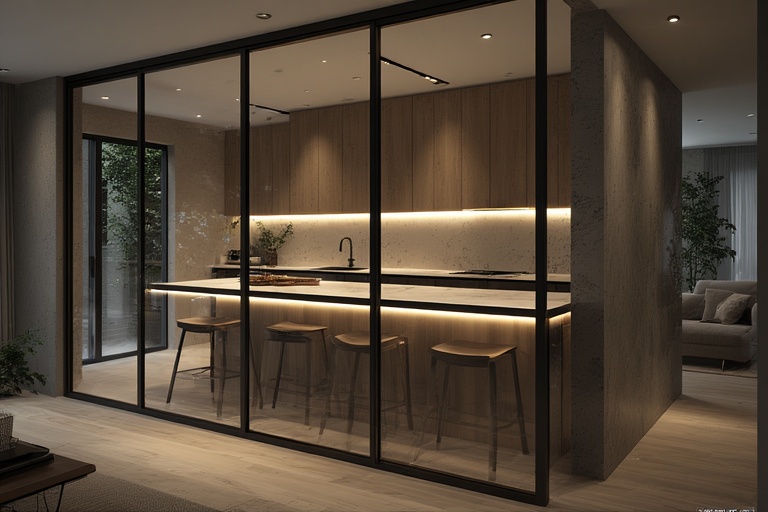
Frosted glass offers privacy while allowing light through. Integrated LED lighting softens the transition between spaces. Glossy tiles enhance light diffusion and prevent the partition from feeling heavy.
10. Modular Block or Cube Partitions
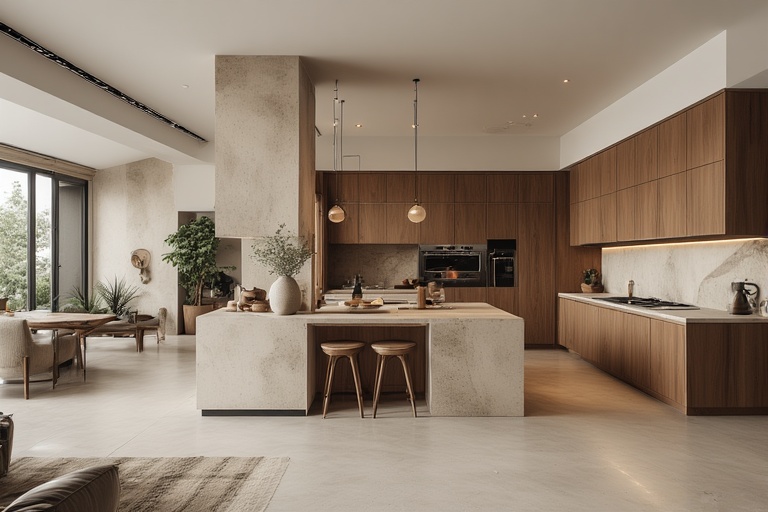
Modular partitions allow custom layouts and future changes. They suit contemporary homes that value adaptability. Simple tile finishes ensure the partition structure remains the focal point.
Related Post :12 Simple Kitchen Marble Design Ideas
Choosing Materials for Kitchen Partitions in Indian Homes
Selecting the right material is critical for safety, durability, and long-term performance in Indian kitchens where heat, moisture, and grease are common.
- Glass is easy to clean, moisture-resistant, and ideal for maintaining openness.
- Wood adds warmth but should be used away from direct heat and paired with protective finishes
- Metal and aluminium offer strength and low maintenance, suitable for modern interiors
- Bamboo and natural materials provide texture but work best in well-ventilated areas.
- Acrylic is lightweight and contemporary, but requires careful placement near cooking zones
Each material performs best when paired with tiles that balance heat resistance, ease of cleaning, and visual continuity.
How to Match Kitchen Partitions with Interior Tiles and Flooring?
Successful open kitchen layouts depend on how well partitions align visually with surrounding floor tiles. Thoughtful coordination prevents the space from feeling segmented.
- Match reflectivity levels : Glass or metal partitions work better with glossy or semi-gloss tiles that enhance light flow
- Balance textures carefully : Wooden or bamboo partitions pair more effectively with matt or lightly textured tiles
- Maintain colour continuity : Using related colour tones across the kitchen and living areas helps partitions blend naturally.
- Reduce visual breaks : Larger tile formats limit grout lines, allowing partitions to feel integrated rather than inserted
Maintenance Tips for Kitchen Partitions
Regular care ensures partitions remain functional and visually clean over time.
- Clean glass partitions with streak-free cleaners
- Wipe wooden and bamboo surfaces using dry or slightly damp cloth.
- Use grease-resistant tiles near cooking zones.
- Avoid prolonged moisture exposure on natural materials.
- Inspect metal frames periodically to prevent corrosion.
Related Post :10 Simple Kitchen Wall Tile Designs for Modern Homes
Conclusion
Open kitchen partitions help Indian homes strike the right balance between openness and functionality. When planned thoughtfully, they improve zoning, control cooking impact, and enhance overall aesthetics. Material choice and tile coordination play a vital role in making partitions feel intentional rather than disruptive. With the right combinations, open kitchens remain airy, organised, and well-suited to everyday living.

 Toll Free: +91 7228922222
 +917433978200
 customercare@simpolo.com
 1800-233-2223