

TV Cabinet Design Ideas: Modern & Wood Designs for Living Room
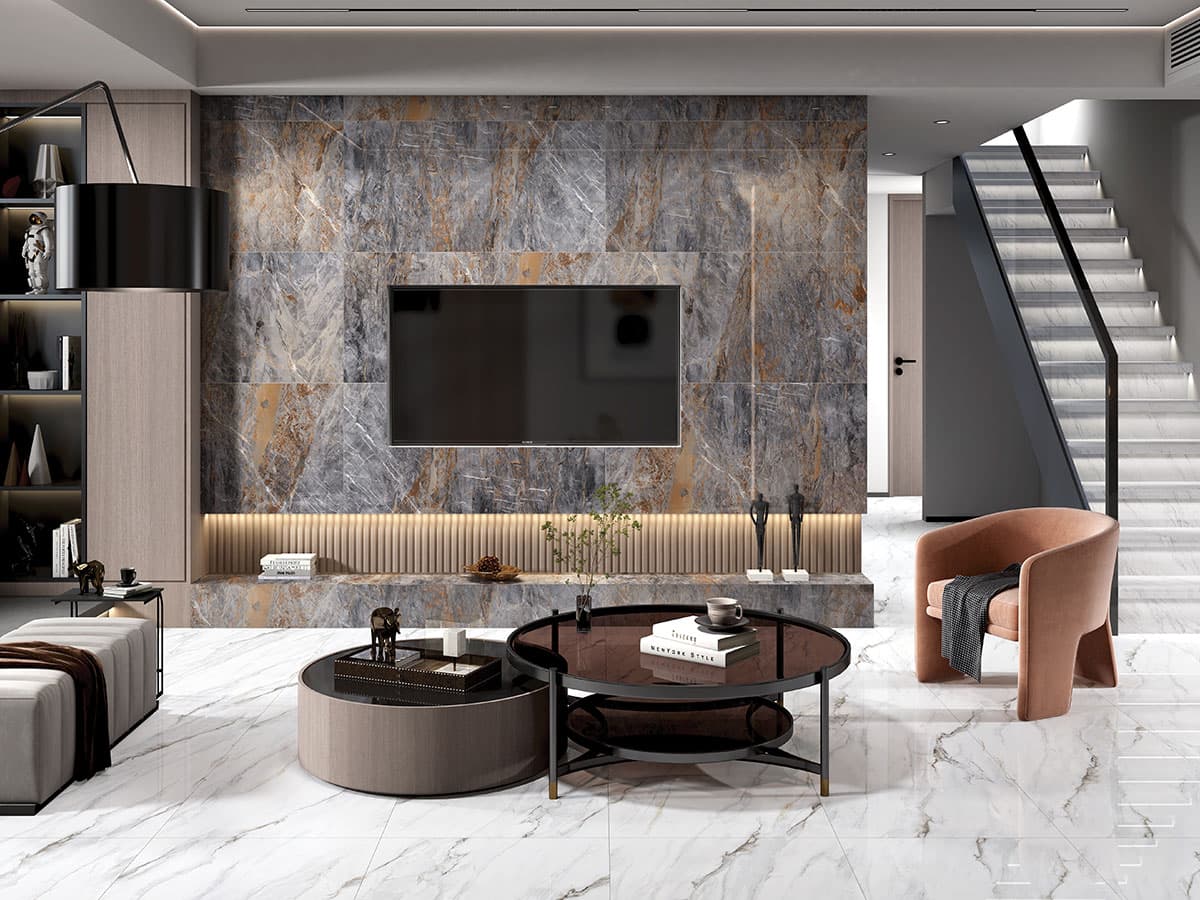
A TV cabinet is no longer just a stand for your screen. In modern Indian homes, it plays a central role in defining the living room’s character, storage efficiency, and overall visual balance. A well-planned tv cabinet design brings together function, proportion, and material harmony while anchoring the entertainment zone as the room’s focal point.
From compact apartments to spacious villas, tv cabinet designs for living room layouts have evolved to suit diverse viewing habits and interior styles. Whether you prefer a minimal floating unit, a warm wood tv cabinet design, or a tile-accented backdrop, the right approach can elevate everyday living. As a leading name in surface solutions, Simpolo suggests that the synergy between cabinetry and wall textures is the secret to a high-end finish.
Understanding Modern TV Cabinet Design Concepts
A thoughtfully designed unit improves both ergonomic comfort and usability. Screen height, storage placement, and material durability—especially in high-traffic areas—affect how the space performs.
In Indian homes, where living rooms serve multiple purposes, the tv cabinet interior design must balance aesthetics with utility. Modern tv cabinet design focuses on clean lines and finishes that are easy to maintain against dust or humidity.
Modern TV Cabinet Designs for Living Room
Modern tv cabinet designs for living room spaces are defined by structural simplicity. These units are engineered to blend into contemporary interiors without overpowering the architectural flow.
Key Characteristics of Modern Units
- Clean horizontal lines and clutter-free surfaces.
- Neutral color palettes like white, beige, grey, and muted earth tones.
- Emphasis on geometric balance rather than heavy ornamentation.
Space-Saving and Functional Features
- Floating units: These free up floor space, making the room appear larger.
- Modular Storage: Concealed drawers and open shelves for a mix of display and utility.
- Integrated Lighting: Strategic use of LED strips to highlight the wall texture without creating screen glare.
Related Post : 10 Bedroom TV Unit Design Ideas for Modern Bedrooms
Wood TV Cabinet Design: Timeless Warmth
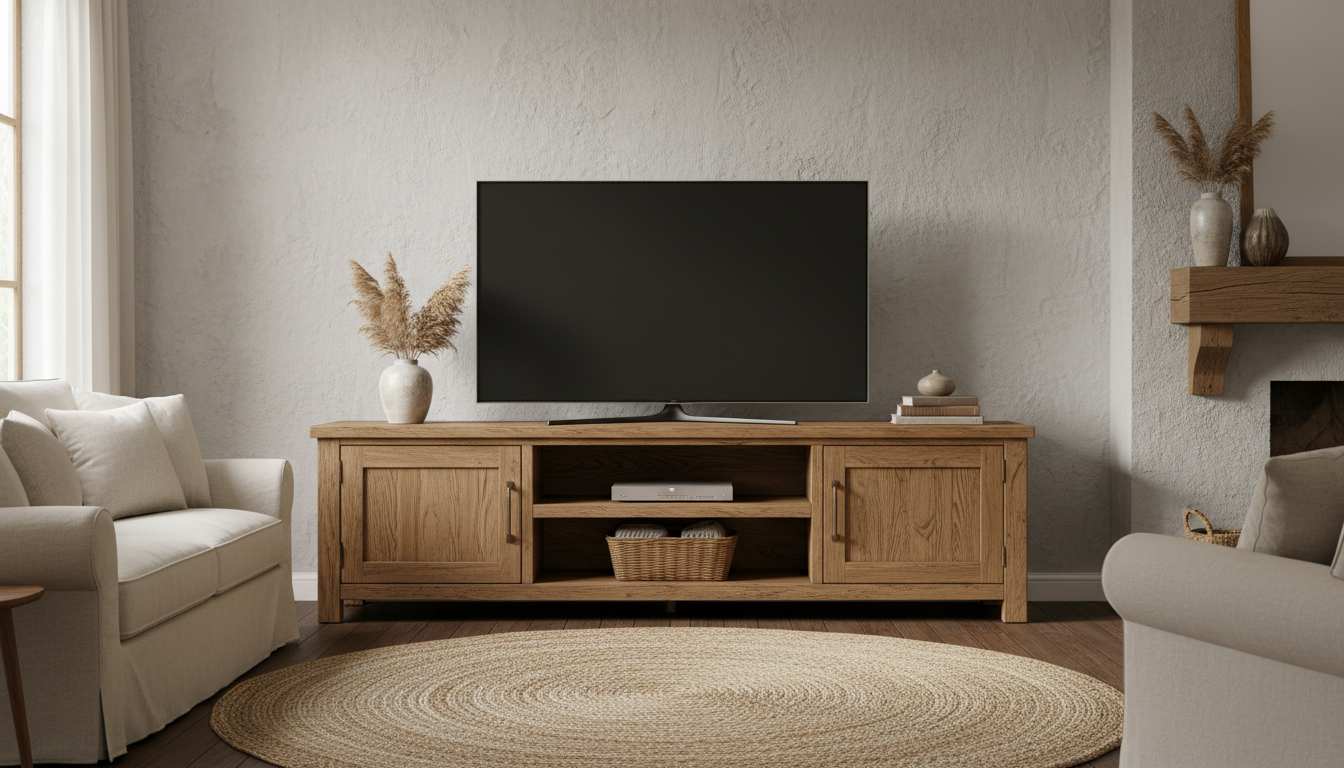
Wood tv cabinet design remains a staple for its organic texture and longevity. It brings a sense of comfort that works across both traditional and transitional interiors.
Design Variations
- Solid Frames: Best for traditional or "vintage-modern" aesthetics.
- Veneer Finishes: Ideal for achieving a luxury look with a lighter structural footprint.
- Rustic Textures: Natural grains paired with matte finishes to ground the room’s energy.
Pro-Tip: Wood tv cabinet design pairs exceptionally well with stone-look or concrete-finish tiles from Simpolo, which balance the warmth of timber with a modern, cool-toned contrast.
Wall TV Cabinet Design and Floating Concepts
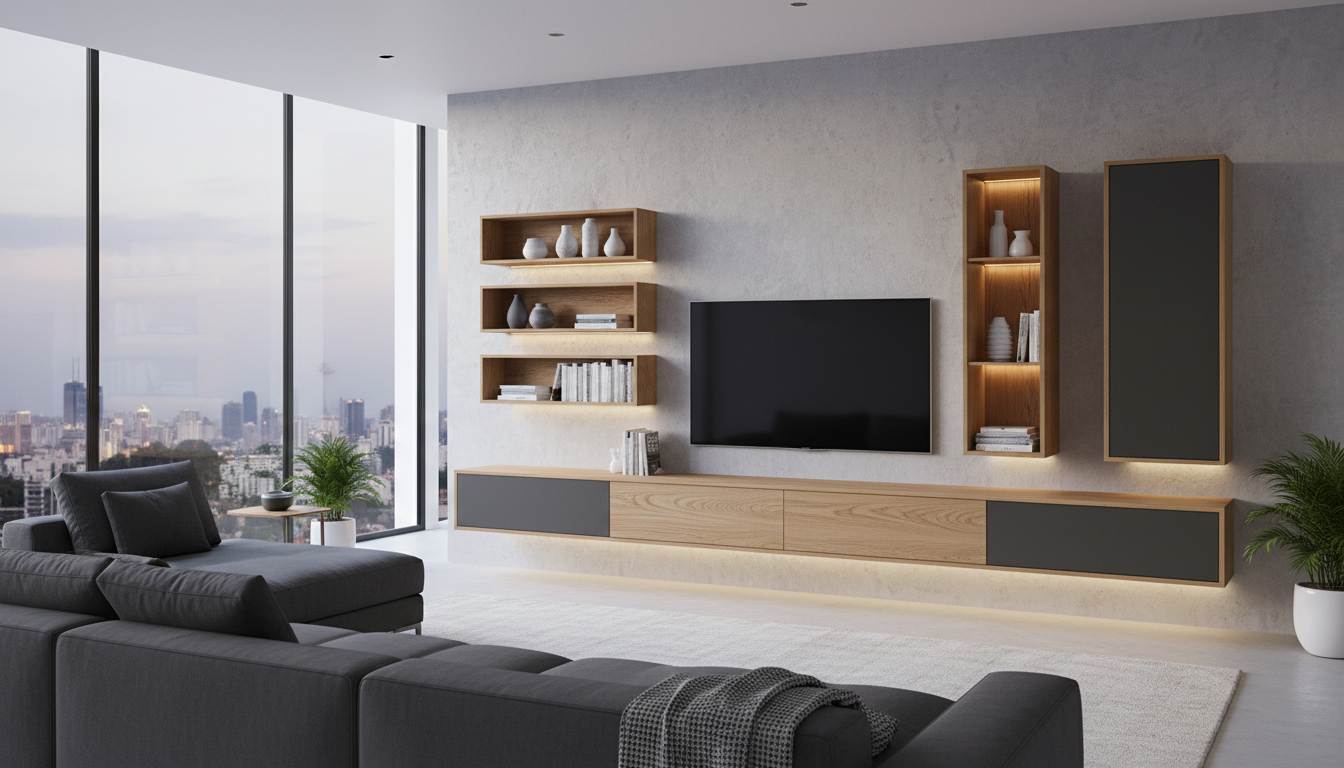
Wall tv cabinet design is the gold standard for modern apartments. By lifting the unit off the floor, you create a seamless visual path that enhances the room's footprint.
Benefits of a Wall-Mounted Approach
- Enhanced Floor Visibility: Creates an illusion of more square footage.
- Ease of Maintenance: No "dead corners" where dust can accumulate.
- Safety: Secure wall anchoring keeps electronics out of reach of children and pets.
The Role of Tile Accents
Using large-format tiles behind a wall tv cabinet design adds immense durability. Unlike paint, which can scuff when adjusting wires, tiles offer a permanent, scratch-resistant surface.
Related Post : Modern TV Wall Tiles Design Ideas for Your Home
TV Cabinet Design for Hall and Bedroom
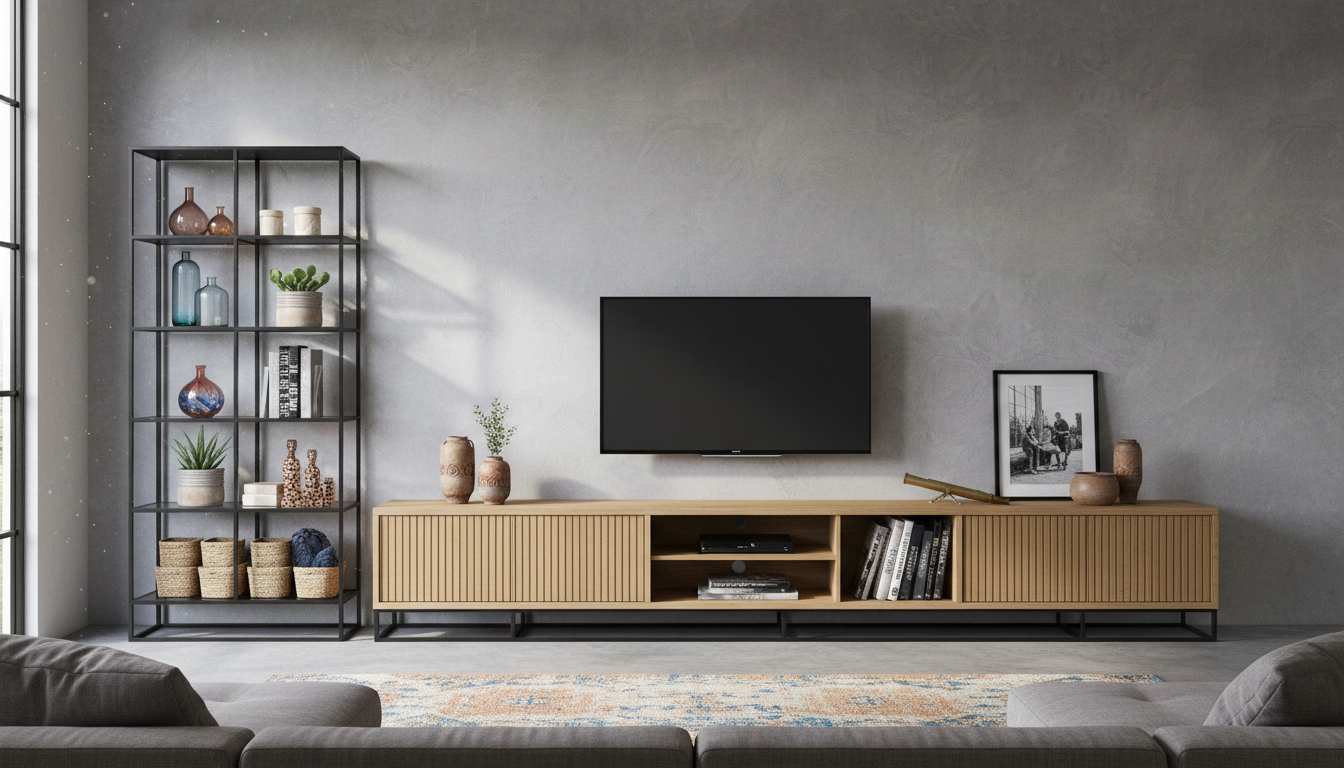
Requirements change depending on the room’s specific function and privacy level.
TV Cabinet Design for Hall
- Scale: Prioritize broader units to visually anchor large walls.
- Display: Incorporate open shelving for curated décor to reflect the family's personality.
TV Cabinet Design for Bedroom
- Minimalism: Simple tv cabinet design works best to maintain a restful atmosphere.
- Height: Units may need to be slightly higher if the primary viewing position is from a bed rather than a sofa.
Simple TV Cabinet Design for Minimalist Spaces
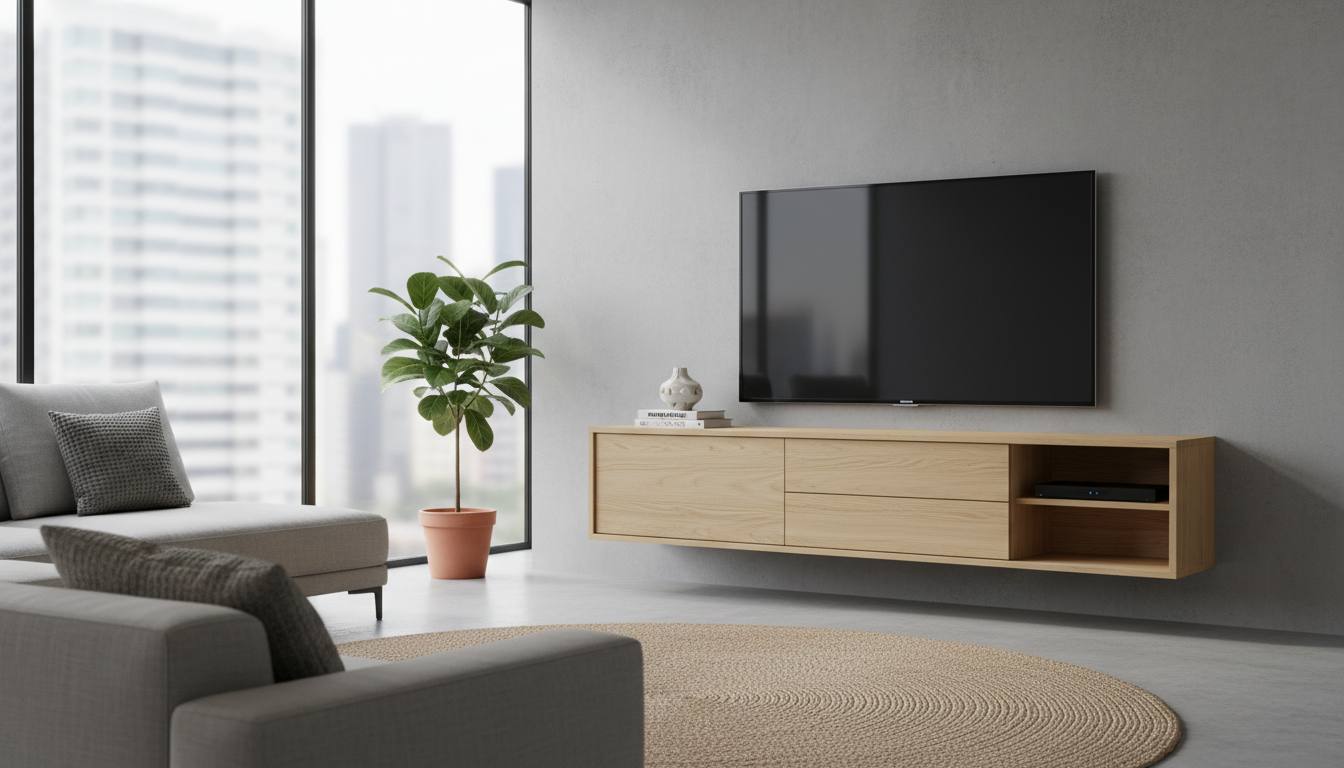
A simple tv cabinet design focuses on the "less is more" philosophy. This is particularly effective in urban homes where visual noise needs to be minimized.
- Monochromatic Schemes: Matching the cabinet color to the wall.
- Handle-less Drawers: Using push-to-open mechanisms for a flush, sleek appearance.
- Hidden Cable Management: Ensuring all wires are routed through internal conduits.
Combining Tiles with TV Units
In professional tv cabinet interior design, the backdrop is as important as the furniture.
|
Cabinet Style |
Recommended Backdrop Finish |
Design Impact |
|
Dark Wood/Charcoal |
Light Marble or Concrete Tiles |
Balanced, high-contrast sophisticated look. |
|
White/Pastel Units |
Textured Grey or Slate Tiles |
Adds depth and prevents a "washed out" look. |
|
Minimal Floating |
Large-format Neutral Vitrified Tiles |
Creates a seamless, expansive gallery feel. |

 Toll Free: +91 7228922222
 +917433978200
 customercare@simpolo.com
 1800-233-2223