

Types of Tiles: Uses, Materials & Finishes - Complete Guide
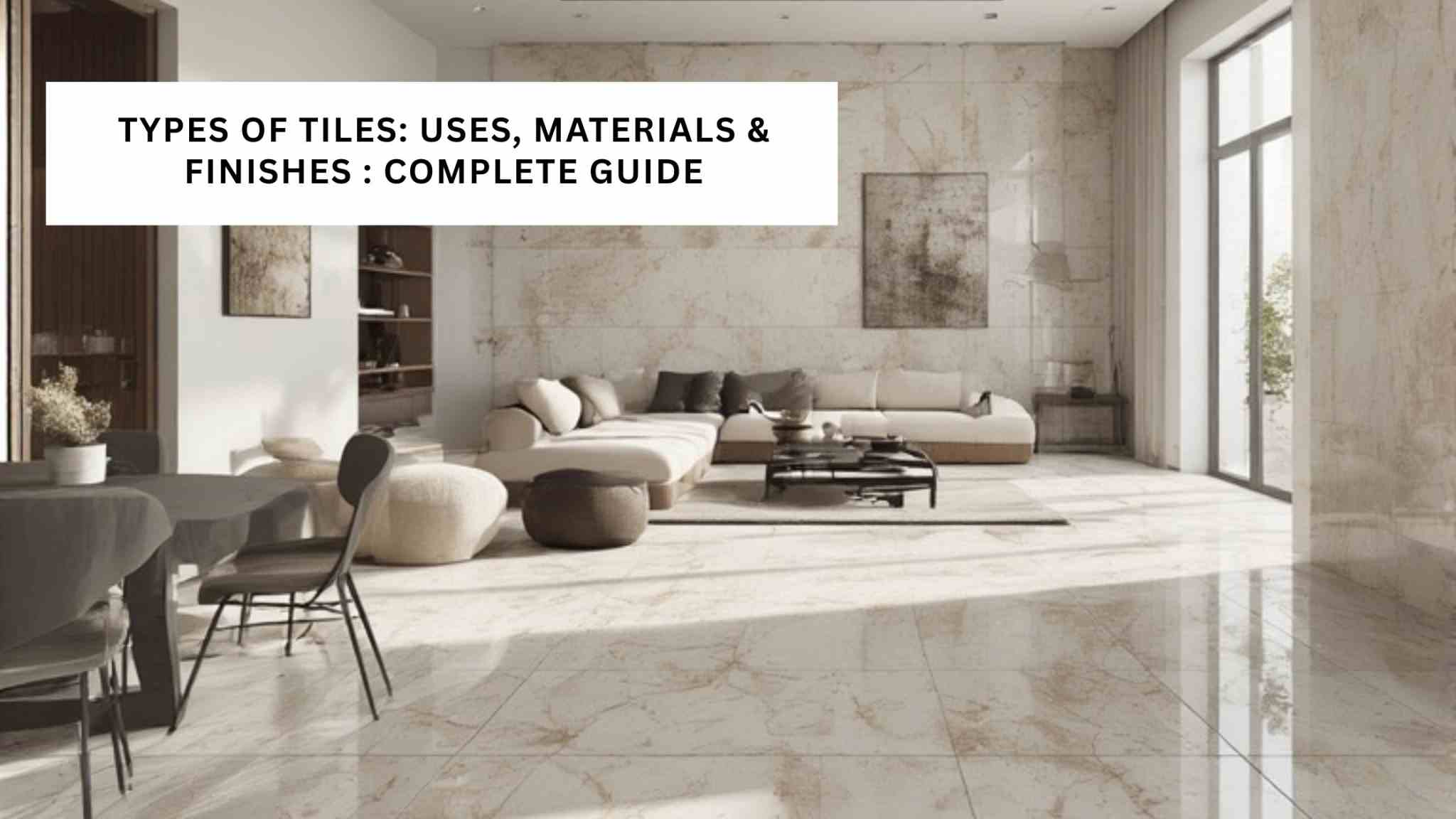
Tiles define the foundation of every well-designed space, influencing both visual appeal and everyday performance. Selecting the right tile types requires a clear understanding of tile materials, finishes, and their suitability for specific applications such as floor and wall tiles. Each area of the home demands surfaces that balance durability, safety, and design harmony.
Thoughtful planning ensures long-term value while enhancing the overall ambience. With advanced manufacturing, refined finishes, and innovative surface solutions from Simpolo Tiles & Bathware, homeowners can confidently choose tiles that deliver strength, style, and lasting practicality across every room.
Everything You Need to Know About Floor and Wall Tiles
The tile market has evolved significantly over the years. From simple clay slabs used in ancient homes to advanced engineered surfaces for modern interiors, tiles have transformed both design and functionality.
Earlier, tiles were handcrafted and limited in finishes. Today, technology allows precision manufacturing, better durability, and stylish options for flooring and wall tiles. Choosing the right tile now depends on understanding:
- Material strength: The durability and load-bearing capacity of a tile determine whether it is suitable for high-traffic flooring areas or lighter wall applications.
- Surface finish: The texture and finish—whether glossy, matte, or textured—affect both the visual appeal and slip resistance of floor and wall tiles.
- Area of usage: Different spaces, such as bathrooms, kitchens, living rooms, and exteriors, require tiles specifically designed for their environmental conditions.
- Maintenance requirements: Understanding how easy a tile is to clean and maintain ensures long-term performance and convenience in everyday use.
This practical tile guide simplifies the selection process.
Types of Tiles by Material
Different tile materials directly affect durability, water absorption, maintenance needs, and performance. Some tiles are best for decorative walls, while others are designed to handle heavy traffic. Let us explore the most popular materials offered by Simpolo Tiles & Bathware.
Porcelain Tiles
Porcelain tiles are made from refined clay and fired at higher temperatures than vitrified tiles. This results in a denser, lower-absorption surface, making porcelain tiles highly durable and moisture-resistant. Some premium options include glazed vitrified tiles, combining durability with elegant finishes.
Where They Work Best
- Living rooms: Ideal for high-traffic areas where durability and visual appeal are equally important.
- Commercial spaces: Suitable for offices, showrooms, and retail environments that require strong, wear-resistant flooring.
- Outdoor patios: Their low water absorption makes them effective for semi-exterior and exterior applications.
Advantages
- Highly durable: Built to withstand heavy foot traffic and long-term use without losing strength.
- Water resistant: The dense composition prevents moisture penetration, making them suitable for humid areas.
- Low maintenance: Easy-to-clean surfaces reduce upkeep while maintaining a polished appearance.
Limitations
- Heavier than ceramic: The dense composition increases weight, requiring proper installation support.
- Slightly higher cost: Premium durability and manufacturing quality may result in a higher initial investment.
At Simpolo Tiles & Bathware, porcelain collections are designed for both beauty and strength.
Related Post :10+ Double Floor Normal House Front Elevation Designs & Tiles
Vitrified Tiles
Vitrified tiles are manufactured by combining clay with silica and feldspar, then firing them at very high temperatures. This process makes vitrified tiles extremely strong and less porous.
Main types
Full-body vitrified tiles have a uniform colour throughout the tile, making scratches less visible.
Best Suited For
- Living rooms: Ideal for everyday residential flooring that requires both elegance and strength.
- Offices: Suitable for professional spaces that demand durability with a refined finish.
- Shopping areas: Designed to withstand continuous movement and commercial usage.
- High footfall spaces: Perfect for areas exposed to heavy traffic without compromising surface quality.
These Tiles Offer:
- Superior strength: Engineered to handle heavy loads and constant usage.
- Glossy and premium finish: Available in polished surfaces that enhance visual appeal.
- High stain resistance: Low porosity ensures protection against spills and surface marks.
They are one of the most popular choices for modern homes.
Related Post :10 Village Single Floor Home Front Design Ideas
Ceramic Tiles
Ceramic tiles are made from natural clay that is shaped and fired at high temperatures. They are widely used as ceramic wall tiles in kitchens and bathrooms.
Common Uses Of Ceramic Tiles
- Bathroom walls: Ideal for vertical surfaces where moisture resistance and easy cleaning are important.
- Kitchen backsplashes: Perfect for protecting walls from spills and splashes while adding design character.
- Low-traffic flooring areas: Suitable for spaces with minimal foot movement where extreme durability is not required.
Advantages
- Affordable: A cost-effective option for homeowners seeking stylish finishes within budget.
- Wide variety of colours and designs: Available in numerous patterns, textures, and shades to suit different interiors.
- Easy to clean: Smooth surfaces allow quick maintenance and everyday convenience.
Limitations
- Less dense than porcelain: The lighter composition makes them slightly less durable compared to porcelain tiles.
- Not ideal for very high traffic areas: Continuous heavy usage may lead to faster wear over time.
They are perfect when you want style at an economical price.
Other Tile Materials
Apart from manufactured tiles, there are additional options:
- Natural stone tiles, such as marble and granite, for luxury appeal
- Quartz tiles for modern aesthetics and strength
- Terracotta tiles for rustic and earthy charm
Each material has its own maintenance and installation considerations.
Related Post :10 Stunning 3 Floor House Design Ideas for Modern Exteriors
Types of Tiles by Application
Selection should also depend on the installation location. Understanding floor tile, wall tile, and outdoor tile types helps in making smart decisions.
Floor Tiles
Floor tiles must withstand daily wear while complementing the overall interior design of a space. Since floor tiles experience constant foot traffic, furniture movement, and regular cleaning, they should offer durability, slip resistance, and long-lasting performance. At the same time, floor tiles should align with the aesthetic theme of the room. Different rooms require different types of floor tiles based on their usage, moisture levels, and traffic conditions.
- Living Room Floor Tiles : Living areas require durability along with elegance. Living room floor tiles should combine strength with refined finishes to enhance the visual appeal of the space. They are often vitrified or porcelain, as these materials are preferred for their durability, low porosity, and premium look.
- High-Traffic Floor Tiles: Busy spaces demand extra strength and resistance. High-traffic floor tiles are required in hallways and commercial spaces where constant movement makes durability essential. These areas need tiles that can resist wear and maintain their appearance over time. Preferably, porcelain or vitrified tiles are chosen, as their dense composition makes them highly suitable for heavy footfall zones.
- Room-Wise Guidance: Each room has unique flooring requirements that balance aesthetics, comfort, and functionality. Living room tiles often include large-format vitrified or porcelain tiles to create a seamless and spacious appearance. Bedroom tiles typically feature a matte finish to provide a soft, warm look along with added slip resistance. Kitchen tiles are designed to be stain-resistant and easy to clean, helping manage spills and daily cooking activities efficiently. Bathroom tiles usually have anti-skid surfaces to improve safety in wet and moisture-prone areas.
Wall Tiles
Wall tiles enhance aesthetics while protecting surfaces from moisture and stains. Used on vertical surfaces in kitchens, bathrooms, and living areas, wall tiles help safeguard walls from water exposure, splashes, and dirt while adding a decorative touch. They also play an important role in defining the overall design theme of a space by combining functionality with visual appeal.
- Kitchen Wall Tiles: Kitchen wall tiles must resist stains and splashes to maintain hygiene and appearance. They are commonly used for backsplashes, especially behind countertops and stoves, to protect walls from spills. Kitchen wall tiles are designed to handle grease, masala splatters, and daily cooking marks, while their smooth glazed surfaces make them easy to wipe and maintain with minimal effort.
- Bathroom Wall Tiles: These tiles require moisture resistance and easy cleaning. Bathroom wall tiles are suitable for humid environments where constant water exposure is common, ensuring durability over time. Their smooth surface helps prevent soap scum buildup and simplifies routine maintenance. Accent walls can also incorporate decorative or textured tiles to create visual impact and enhance the overall design of the space.
Outdoor & Special Application Tiles
Outdoor Tiles: These outdoor tiles must tolerate changing weather conditions such as:
- Sunlight: Resistant to fading and surface damage from prolonged UV exposure.
- Rain: Designed with low water absorption to prevent cracks or seepage.
- Temperature changes: Engineered to handle expansion and contraction due to climate variations.
Anti-Skid Tiles: These anti-skid tiles are designed to improve safety in slippery areas:
- Balconies: Provide better grip in semi-open residential spaces.
- Terraces: Ensure safe movement during rain or cleaning.
- Parking areas: Offer durability and slip resistance under vehicle load.
- Swimming pools: Enhance safety around wet poolside surfaces.
These tiles provide improved grip, stability, and confidence in high-risk zones.
Related Post : Top Floor Tiles Design Ideas for Stylish Halls
Tile Finishes & Textures
The appearance and safety of your space largely depend on tile finishes. Choosing between matte tiles and glossy tiles affects lighting, maintenance, and slip resistance.
Common Tile Finishes
- Glossy Tiles: Glossy tiles enhance brightness and reflect light. They feature a smooth, reflective top layer that creates a sleek and refined look and helps distribute natural and artificial light across the room. This makes rooms look brighter, especially compact or low-light spaces that benefit from added illumination. Glossy tiles are ideal for walls and are commonly used on vertical surfaces where slip resistance is less critical.
- Matte Finish Tiles: Matte tiles provide a softer look and better grip. They offer a natural, non-reflective appearance that feels warm and contemporary. The slightly textured surface enhances slip resistance, making them a safer option for functional spaces. Matte tiles are suitable for high-traffic and wet areas such as bathrooms, kitchens, and busy zones where safety is essential.
Tile Textures
- Decorative Textures: Decorative textures enhance design depth by adding visual interest to surfaces. They introduce dimension and richness to otherwise plain areas, creating a more dynamic and stylish appearance. Decorative textures are suitable for accent walls and are perfect for highlighting specific areas in living rooms or bathrooms.
- Anti-Skid Textures: Anti-skid textures are functional surfaces designed to improve safety. They provide additional grip and are specifically created to reduce the risk of slipping in wet conditions. These textures are ideal for bathrooms and outdoor spaces, making them suitable for moisture-prone or exterior areas. Always balance aesthetics with functionality when selecting textured tiles.
Related Post :6 Types of Flooring Tiles for Modern Homes
How to Choose the Right Tile for Your Home
If you are wondering how to choose tiles, follow this practical tile-buying guide:
- Area of Use: Bathrooms require water resistance. Living rooms need durability.
- Traffic Level: High traffic areas need stronger materials like vitrified or porcelain.
- Finish: Matte for grip. Glossy for shine.
- Maintenance: Consider how easy it is to clean and maintain.
- Budget: Balance cost with long-term durability and design value.
Choosing high-quality products from Simpolo Tiles & Bathware ensures lasting performance and style.
Conclusion
The best tiles for your home are those that align with your lifestyle and design preferences while meeting practical needs. A clear tile guide helps you understand materials, finishes, and applications before making a decision, ensuring that every space is both functional and visually appealing. From living areas to kitchens and bathrooms, selecting the right surface enhances durability, safety, and long-term performance. When you balance strength, maintenance, and aesthetics, your home feels cohesive and complete. With thoughtfully designed collections from Simpolo Tiles & Bathware, tile selection becomes simple, informed, and confident, helping you create spaces that stand the test of time.



 Toll Free: +91 7228922222
 +917433978200
 customercare@simpolo.com
 1800-233-2223