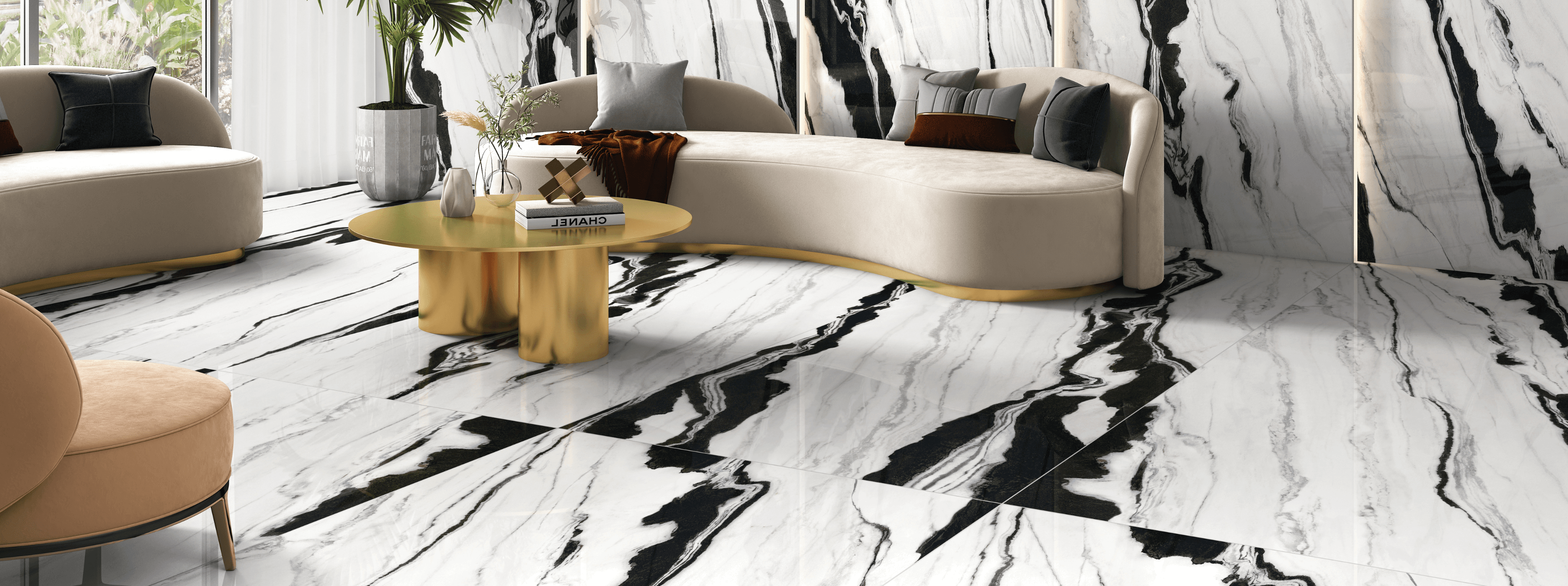
Heavy-Duty Vitrified Industrial Tiles for Floors and Walls
Industrial spaces demand surfaces that tolerate heavy loads, constant foot and machine traffic, and chemical exposure. Simpolo’s industrial tiles excel here, delivering a perfect balance of durability, safety, and performance for warehouses, workshops, factories, laboratories, or kitchens. With 10 unique industrial-style wall and flooring tile designs.
Filters
Industrial Tiles
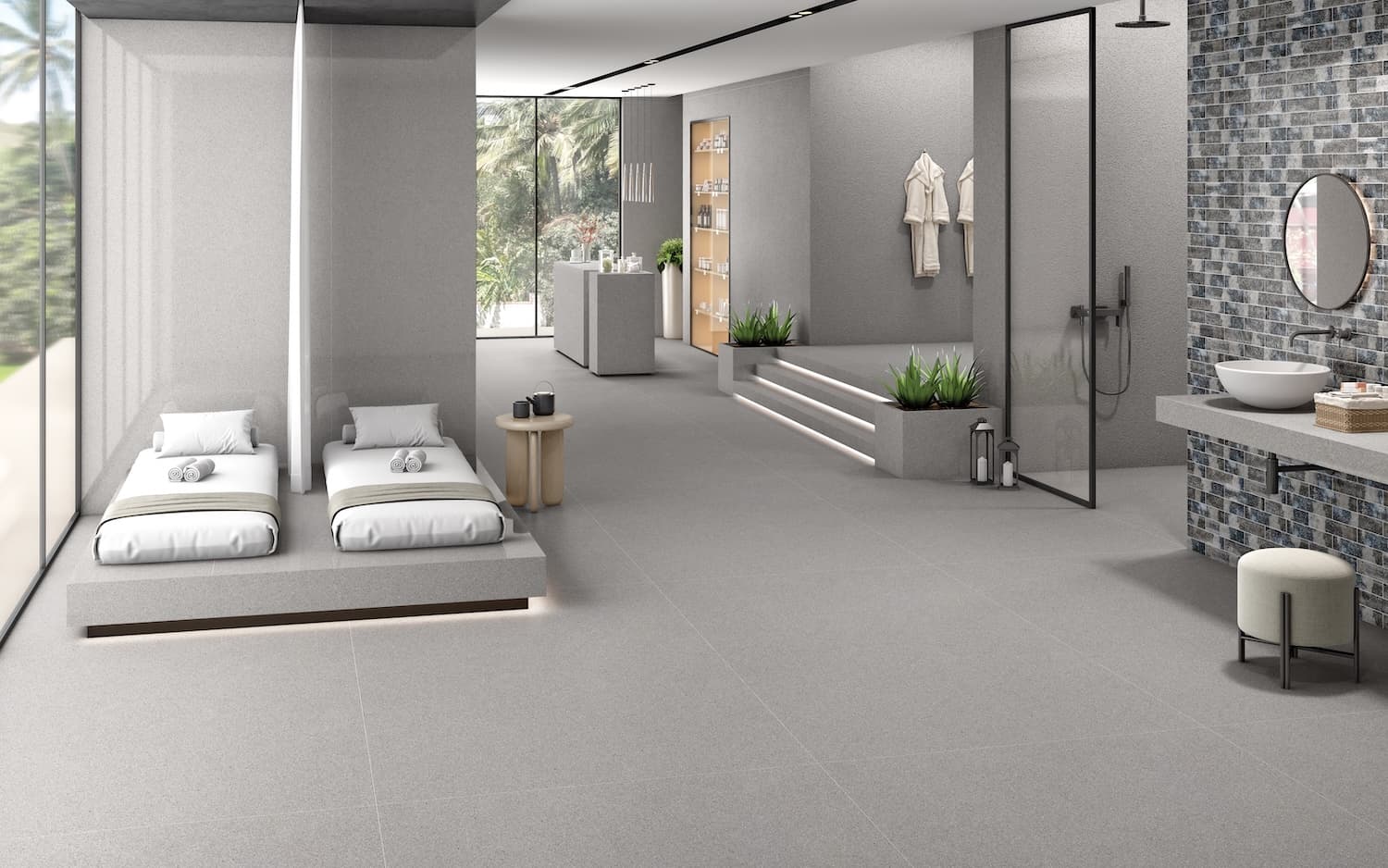
The Alchimia collection reimagines the fusion of craftsmanship and raw beauty, making it ideal for m...
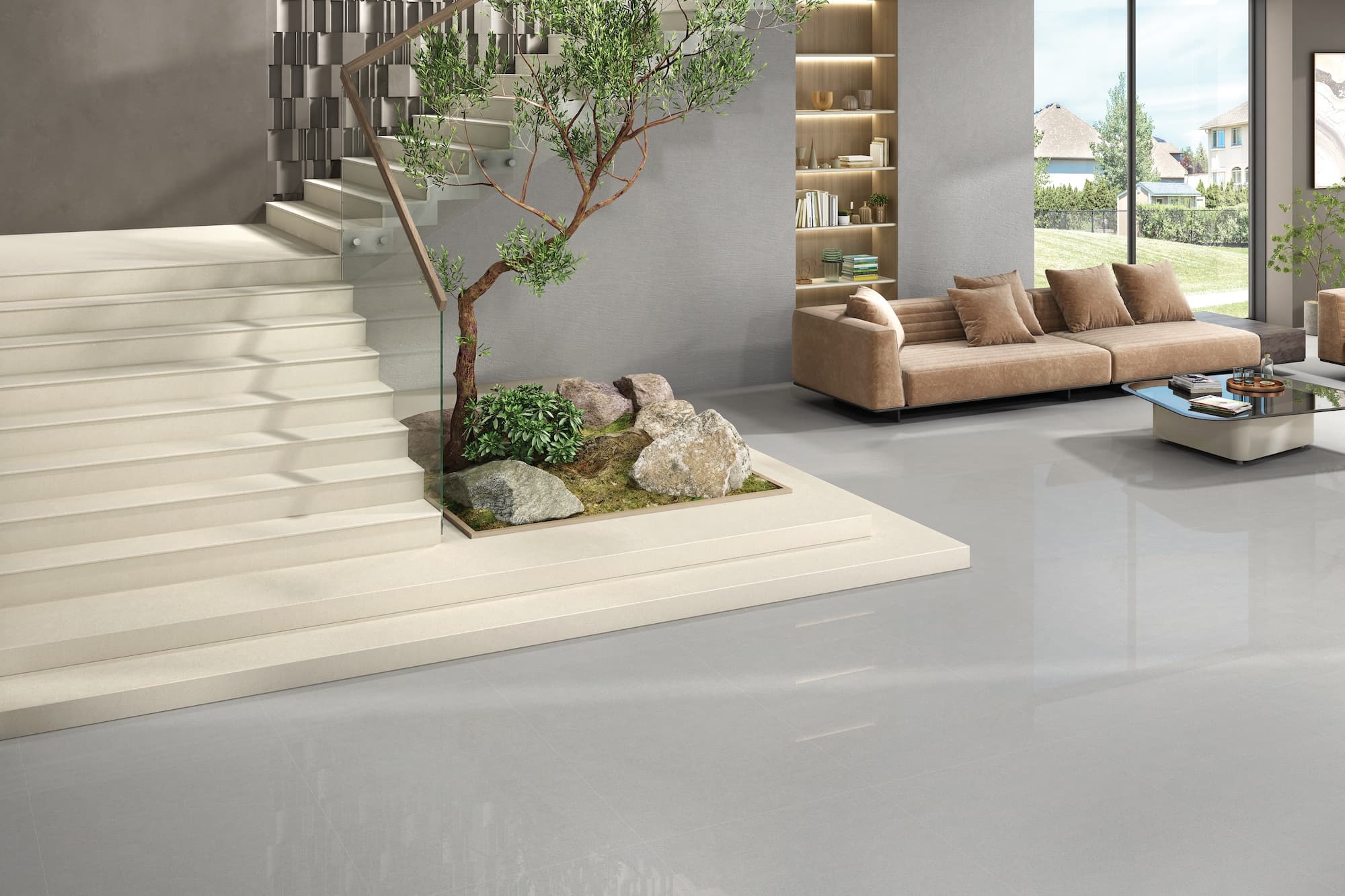
The Sparko collection is designed to make a statement with its radiant and shimmering aesthetic. Ava...
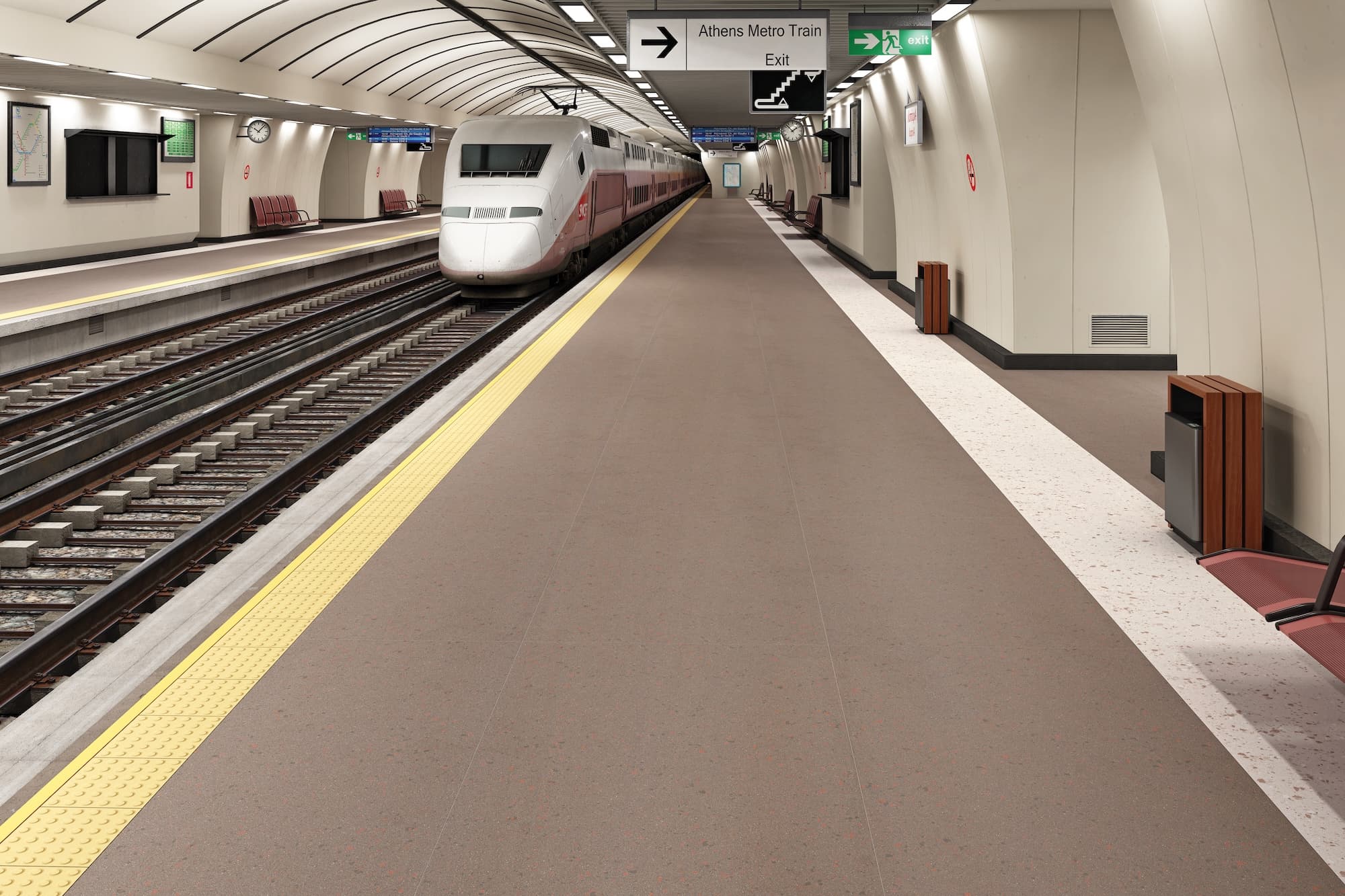
The Venitto collection captures the timeless appeal of Venetian terrazzo, offering a refined look fo...
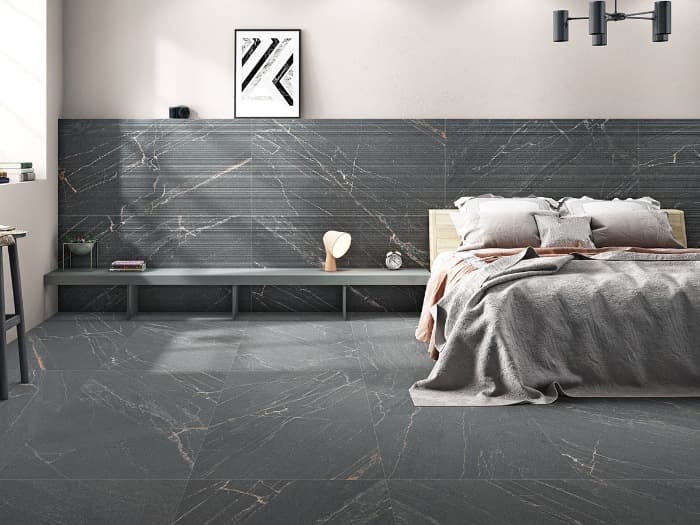
The Impatto collection offers versatile tiles that enhance both living room and outdoor tiles. Avail...
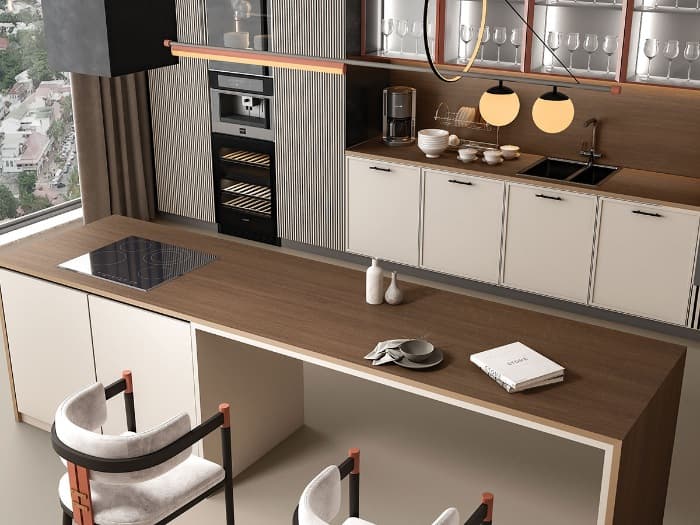
Elevate your kitchen design with the Kitchdeck collection, offering elegance and durability. Availab...
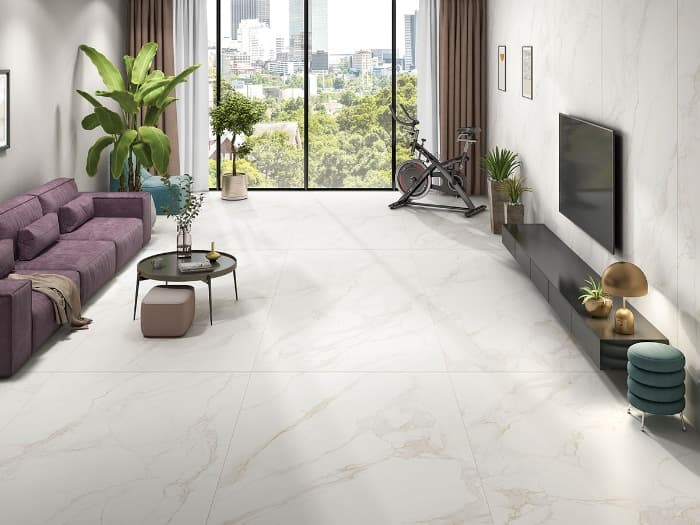
The Ricco 2.0 collection offers a luxurious and modern design that enhances your home or office. Ava...
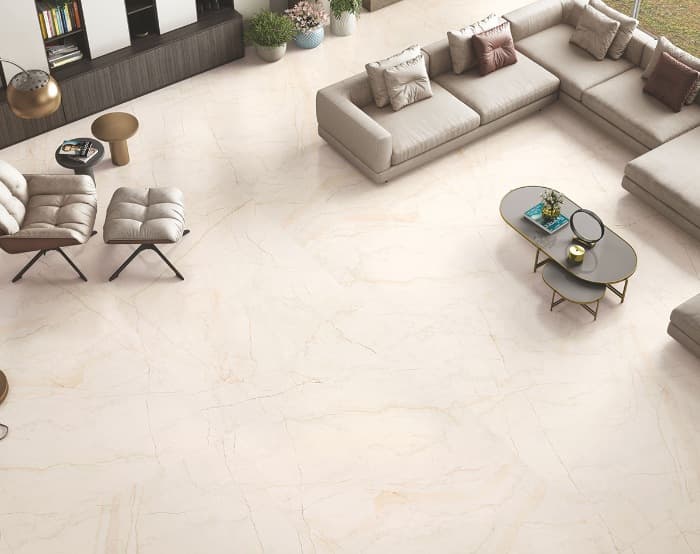
The RICCO collection offers an elegant, modern look for your home, providing both style and durabili...
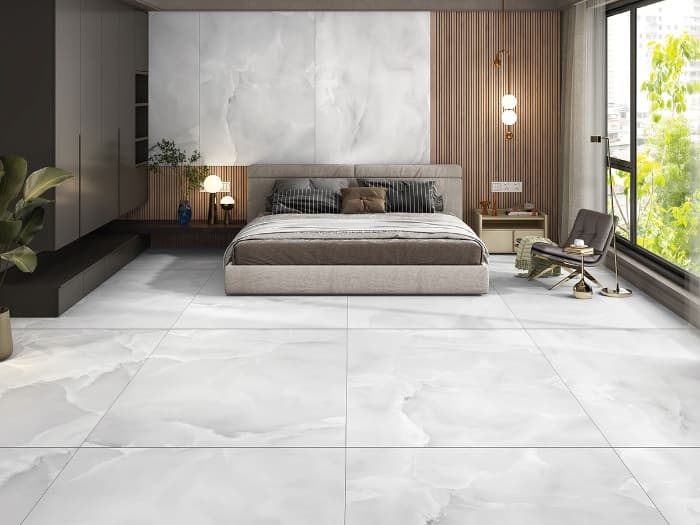
The Ottimo collection adds a refined and elegant touch to your home or office. Available in sizes li...
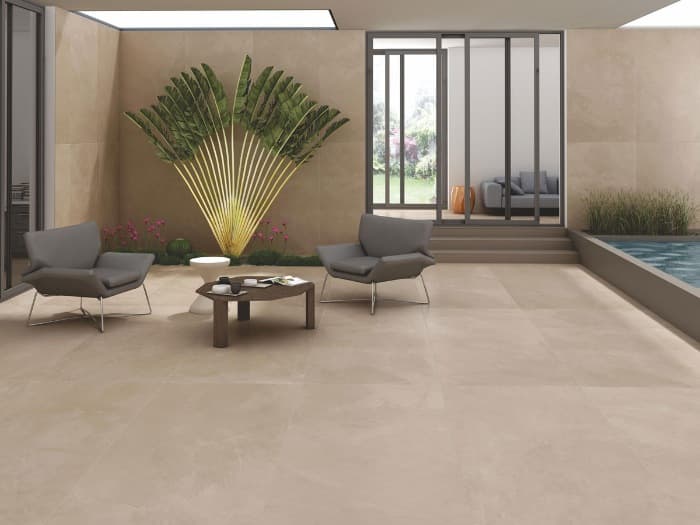
Industrial Tile Solutions for High-Performance Environments
From manufacturing floors to processing plants, industrial tiles are designed to enhance the operational efficiency of every environment. The robust material composition, anti-slip surface, and load-bearing strength make the industrial tiles ideal for areas where performance and hygiene matter most.
The Advantages Of Industrial Tiles Include:
- High load-bearing capacity to support vehicle traffic and heavy equipment.
- Prevents accidents in oily conditions or wet areas.
- Chemical and stain-resistant, it withstands acids, solvents, and alkalis.
- Easy-to-maintain surfaces are non-porous, making them easy to clean.
- Retains finish and strength even under extreme conditions.
Types of Industrial Tiles
The industrial tiles are available in different types with different performance properties:
- Industrial Floor Tiles: High-density floor tiles are suitable for medium-traffic areas like storage spaces, assembly lines, and corridors.
- Industrial Vitrified Tiles: Durable, stain-resistant, high-performance vitrified tiles, suitable for both walls and floors, offering a polished industrial look.
- Industrial Wall Tiles: Moisture- and chemical-resistant wall tiles designed to protect walls in production units, labs, and dairy plants.
Industrial Tiles Design – Strength, Safety & Stability
The popular types of industrial tiles include:
- Heavy Duty Industrial Tiles: Engineered for spaces with forklifts, loaders & machinery. High-load bearing capacity ensures long-lasting performance without surface damage.
- Industrial Ceramic Tiles: Affordable, durable and cost-effective for factories, but ideal for light to medium-traffic areas like kitchens, workshops, and utility zones.
- Anti-Skid Industrial Tile: Features matt or textured finishes in anti-skid tiles to maintain grip and ensure worker safety in wet or oily areas.
- Chemical & Stain-Resistant Tiles: Designed for food industries, labs, processing units, or pharmaceutical units where frequent chemical exposure is common.
Industrial tile surfaces are treated to be anti-skid, stain, acid and alkali-resistant, ensuring hygiene and safety across manufacturing and service environments.
Available Sizes in Industrial Floor Tiles
The size and layout of industrial tiles influence durability, stability, and ease of installation. Common sizes include-
| Industrial Tile Size (mm) | Recommended Applications & Benefits |
| 600 × 1200 | Suits medium-sized industrial spaces. |
| 800 × 1600 | Enhances spatial perception and is popular for this reason. |
| 800 × 2400 | Creates a strong visual impact in larger kitchens and laboratories. |
| 1200 × 2400 | Premium tile size ideal for workshops and open industrial areas. |
| 1200 × 3200 (Largest Format) | Offers seamless surfaces, widely used in pharmaceutical facilities and factories. |
Layout patterns such as diagonal and grid help manage floor stress, reduce cracking due to thermal and mechanical expansion, and improve drainage.
Need help estimating how many industrial tiles your project requires? Use our Tile Calculator to get accurate quantity estimates before you buy.
How to Choose the Right Industrial Tile?
Selecting the industrial tiles depends on.
- Load and traffic: For heavy load areas, use vitrified tiles or double-charged tiles that resist impact and pressure from machinery. Medium-traffic zones, such as corridors, can use standard industrial vitrified or ceramic tiles.
- Environment: Choose anti-skid tiles for oily or wet-prone surfaces to minimise slip hazards. Use chemical and acid-resistant tiles in labs, food processing units, or pharma plants to prevent stains or corrosion.
- Maintenance and Hygiene: Vitrified tiles with low porosity are ideal because they resist stains, absorb less water, and clean easily. Glazed and matt finishes help hide dust or minor wear, keeping the surface neat over time.
- Match aesthetics and functionality: The appearance of industrial tiles can also affect a workspace’s appeal. Neutral tones like beige, grey, or white create a clean and professional ambience. Vitrified tiles with sleek finishes elevate the space while ensuring strength.
Industrial Tiles Price in India – Investing in Strength and Performance
Industrial tiles are designed to withstand extreme load, heavy foot traffic, and demanding environments while also influencing the overall project cost. Choosing the right industrial tiles is essential for creating safe, durable, and high-performance spaces in factories, warehouses, workshops, and commercial facilities. In India, the cost of industrial tiles varies based on key factors such as size, thickness, and functional properties that ensure long-term reliability. Simpolo’s industrial tile range combines advanced manufacturing technology with superior strength, offering solutions tailored for modern industrial applications.
Key Factors That Impact Vitrified Bathroom Tile Price:
- Size matters: Industrial tiles in 600×600 mm and 600×1200 mm formats provide better floor coverage with fewer joints, improving surface stability and ease of maintenance in high-movement zones. Larger formats generally come at a higher price due to precision engineering and enhanced structural capacity, while smaller tiles offer flexibility for specific utility areas at a more accessible industrial tiles rate.
- Thickness and durability: With thickness options of 8.5 mm and 9 mm, industrial tiles deliver excellent resistance to pressure, abrasion, machinery movement, and impact. Thicker tiles enhance floor strength and lifespan, reducing long-term maintenance costs, although they may come at a slightly higher price due to added material density and performance capability.
- Colour and visual impact: Functional and professional shades such as Grey, White, and Cream are widely preferred in industrial environments for their clean appearance, dust-concealing ability, and compatibility with safety-focused design layouts. These colours help maintain visual neatness while supporting an organised and efficient workspace.
Why Choose Simpolo For Industrial Tiles?
Choose Simpolo industrial tiles for high-performance flooring that withstands heavy loads, chemical exposure, and extreme industrial conditions. These tiles use advanced vitrification technology to maintain structural integrity under mechanical stress and harsh environments.
- Deliver superior load-bearing strength using full-body vitrified composition, which supports heavy machinery and continuous forklift traffic without cracking
- Ensure hygienic surfaces with iM+ antibacterial technology, designed for high-sensitivity environments such as pharmaceutical units and cleanrooms when combined with industrial wall tiles
- Resist chemicals and stains with non-porous surfaces, protecting against corrosive substances such as acids, oils, and industrial solvents while enabling easy maintenance
- Improve workplace safety with anti-skid matte finishes, providing high traction in wet, oily, and high-risk industrial zones
- Withstand thermal and fire exposure, maintaining stability in high-temperature environments and acting as a fire-resistant safety layer
With Simpolo’s digital showroom, you can explore a wide range of industrial tiles designed for durability, chemical resistance, and heavy-duty performance.
The digital visualizer further helps you plan and create efficient industrial spaces, ensuring the right balance of safety, strength, and long-term reliability.

 Toll Free: +91 7228922222
 +917433978200
 customercare@simpolo.com
 1800-233-2223